Plant-Based Family Nutrition 2026: Reducing Processed Foods by 25%

Anúncios
The Latest in Plant-Based Nutrition for Families: How Recent Updates in 2026 Can Reduce Processed Food Intake by 25%
Anúncios
As we navigate the ever-evolving landscape of health and wellness, the year 2026 brings with it exciting advancements and crucial insights in the realm of plant-based family nutrition. For many families, the challenge of providing nutritious meals while juggling busy schedules often leads to a reliance on processed foods. However, recent scientific breakthroughs, updated dietary guidelines, and innovative product developments are paving the way for a significant shift. This comprehensive guide will delve into how these 2026 updates can empower families to reduce their processed food intake by a remarkable 25%, fostering healthier eating habits and overall well-being.
The global push towards sustainable and health-conscious living has accelerated research into plant-based diets, revealing even more profound benefits than previously understood. For families, this means a wealth of new information and resources designed to make the transition to a more plant-forward lifestyle not only achievable but enjoyable. We’ll explore the core principles of plant-based family nutrition in 2026, examine the specific updates influencing our dietary choices, and provide actionable strategies to implement these changes effectively within your household.
Anúncios
Understanding the Shift: Why Plant-Based is More Important Than Ever for Families
The allure of processed foods – their convenience, affordability, and often appealing taste – has made them a staple in many modern diets. However, their high content of unhealthy fats, sugars, sodium, and artificial additives has been linked to a myriad of health issues, including obesity, type 2 diabetes, and cardiovascular diseases, particularly concerning for growing children. The scientific community, backed by extensive research in 2026, continues to emphasize the protective role of whole, unprocessed plant foods against these chronic conditions.
For families, adopting a more plant-based approach isn’t just about avoiding the bad; it’s about embracing the good. Plant foods are rich in essential vitamins, minerals, fiber, and antioxidants, all crucial for optimal growth, development, and disease prevention. The fiber content, often lacking in processed diets, is particularly vital for digestive health and maintaining a healthy weight. Furthermore, a diet centered around plants can introduce children to a wider variety of flavors and textures, fostering a more adventurous and balanced palate from a young age.
The environmental impact is another compelling factor. As climate change concerns intensify, many families are looking for ways to reduce their ecological footprint. Plant-based diets generally require fewer natural resources and produce fewer greenhouse gas emissions compared to diets heavy in animal products. This dual benefit – personal health and planetary health – makes plant-based family nutrition a powerful choice for the future.
Key Updates in Plant-Based Nutrition for Families in 2026
The year 2026 marks several significant developments that are reshaping how we approach plant-based eating for families. These updates provide both clearer guidance and more practical solutions for reducing processed food intake.
1. Refined Dietary Guidelines Emphasizing Whole Plant Foods
Governmental and health organizations globally have further refined their dietary guidelines, placing an even greater emphasis on whole, unprocessed plant foods. The 2026 recommendations are more explicit about limiting ultra-processed foods, defining them with greater precision, and advocating for a daily intake of diverse fruits, vegetables, legumes, whole grains, nuts, and seeds. These guidelines are now more accessible and translated into practical advice for families, recognizing the unique nutritional needs of children at different developmental stages.
2. Advancements in Plant-Based Food Technology and Accessibility
The plant-based market has matured significantly by 2026. While initial waves of plant-based products focused on replicating animal products (some of which were highly processed), the current trend is towards minimally processed, whole-food-based alternatives. We’re seeing an influx of innovative products like nutrient-dense plant-based yogurts made from fermented nuts or seeds, whole-grain pasta fortified with legume proteins, and ready-to-eat meals that prioritize fresh ingredients and minimal additives. These advancements make it easier for families to find convenient, healthy plant-based options that aren’t laden with artificial ingredients.
3. Increased Public Awareness and Educational Resources
Public awareness campaigns and educational initiatives around plant-based family nutrition have expanded dramatically. Schools, community centers, and online platforms are offering more workshops, cooking classes, and resources specifically tailored to families. These programs provide practical skills, such as meal planning, batch cooking, and label reading, empowering parents to make informed choices and prepare delicious, healthy plant-based meals.
4. Scientific Consensus on Micronutrient Absorption in Plant-Based Diets
Earlier concerns about nutrient deficiencies in plant-based diets, particularly for children, have largely been addressed by updated research. Studies in 2026 confirm that well-planned plant-based diets can provide all necessary nutrients, including iron, calcium, vitamin B12, and omega-3 fatty acids, with a focus on diverse food sources and, where necessary, judicious supplementation. This robust scientific consensus provides greater confidence for families considering a plant-forward approach.
Strategies to Reduce Processed Food Intake by 25% with Plant-Based Nutrition
Achieving a 25% reduction in processed food intake requires a multi-faceted approach. Here are practical, actionable strategies aligned with the 2026 updates in plant-based family nutrition:
1. Prioritize Whole Foods in Every Meal
The cornerstone of reducing processed foods is to build meals around whole, unprocessed plant ingredients. Think vibrant fruits and vegetables, hearty whole grains (quinoa, brown rice, oats), protein-rich legumes (lentils, beans, chickpeas), and healthy fats from nuts and seeds. Aim to have at least one whole plant food component in every snack and multiple components in every main meal. For example, swap a processed breakfast cereal for oatmeal with berries and nuts, or replace a packaged snack bar with an apple and a handful of almonds.
2. Master Meal Planning and Batch Cooking
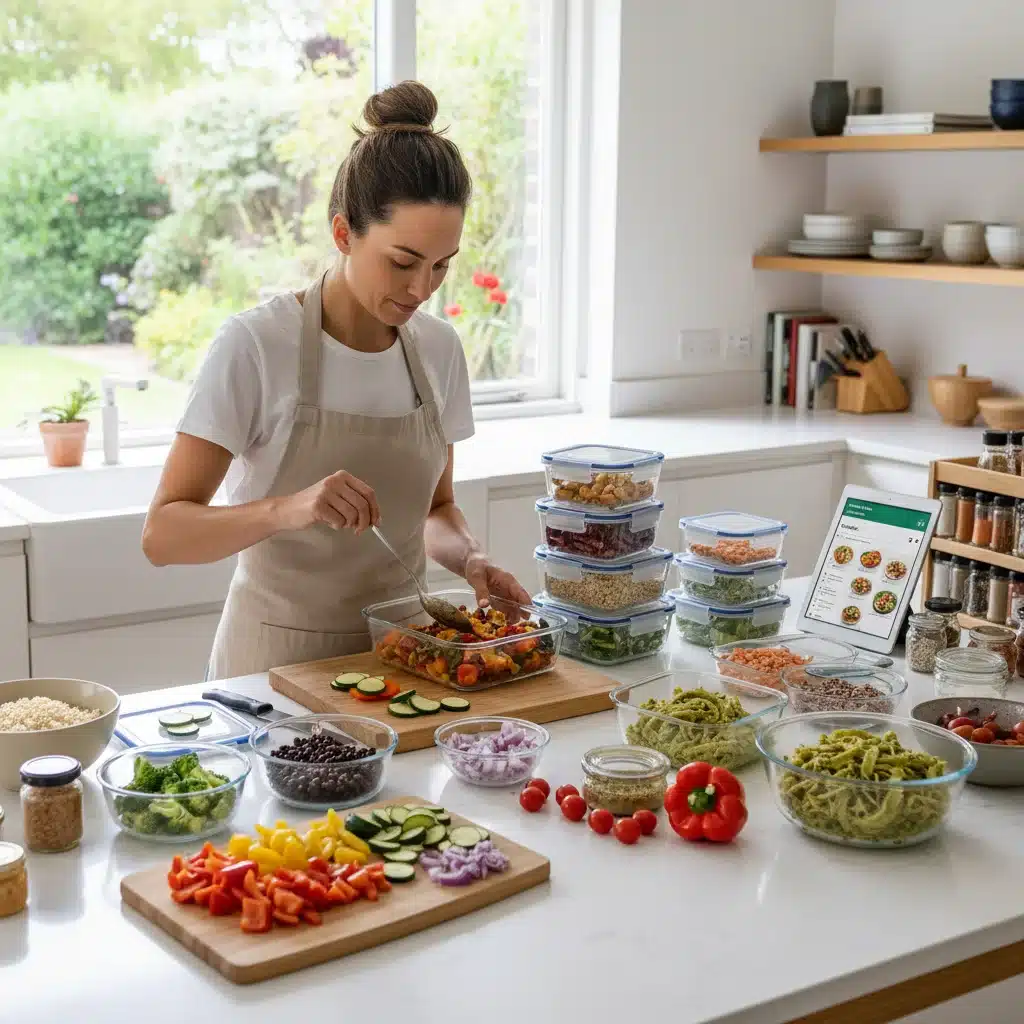
One of the biggest hurdles to avoiding processed foods is lack of time. Meal planning and batch cooking are powerful tools. Dedicate a few hours each week to plan your family’s meals and prepare components in advance. Cook large batches of grains, roast a tray of vegetables, or prepare a big pot of lentil soup. These ready-to-use ingredients can drastically cut down on meal prep time during busy weekdays, making it easier to assemble quick, healthy, plant-based meals instead of reaching for convenience foods.
3. Become a Savvy Label Reader
The 2026 updates include clearer food labeling regulations, but it’s still crucial to understand what you’re buying. Learn to identify common culprits in processed foods: high-fructose corn syrup, hydrogenated oils, artificial colors and flavors, and excessive sodium. Look for products with short ingredient lists, primarily featuring recognizable whole foods. A good rule of thumb: if you can’t pronounce an ingredient, it’s likely best to avoid it.
4. Embrace Plant-Based Protein Sources
Protein is vital, and plant-based sources are abundant and diverse. Incorporate legumes (beans, lentils, peas), tofu, tempeh, edamame, nuts, seeds, and whole grains into your family’s diet. These provide not only protein but also fiber and a host of other nutrients. Experiment with different preparations – stir-fries with tofu, lentil shepherd’s pie, chickpea curry, or black bean burgers – to keep meals exciting and prevent protein concerns.
5. Get the Kids Involved
Children are more likely to eat foods they’ve helped prepare. Involve them in meal planning, grocery shopping (let them pick out a new vegetable or fruit), and cooking tasks appropriate for their age. This not only teaches them valuable life skills but also fosters a positive relationship with healthy food. Make it an adventure, exploring new plant-based ingredients and recipes together.
6. Smart Snacking for Plant-Based Families
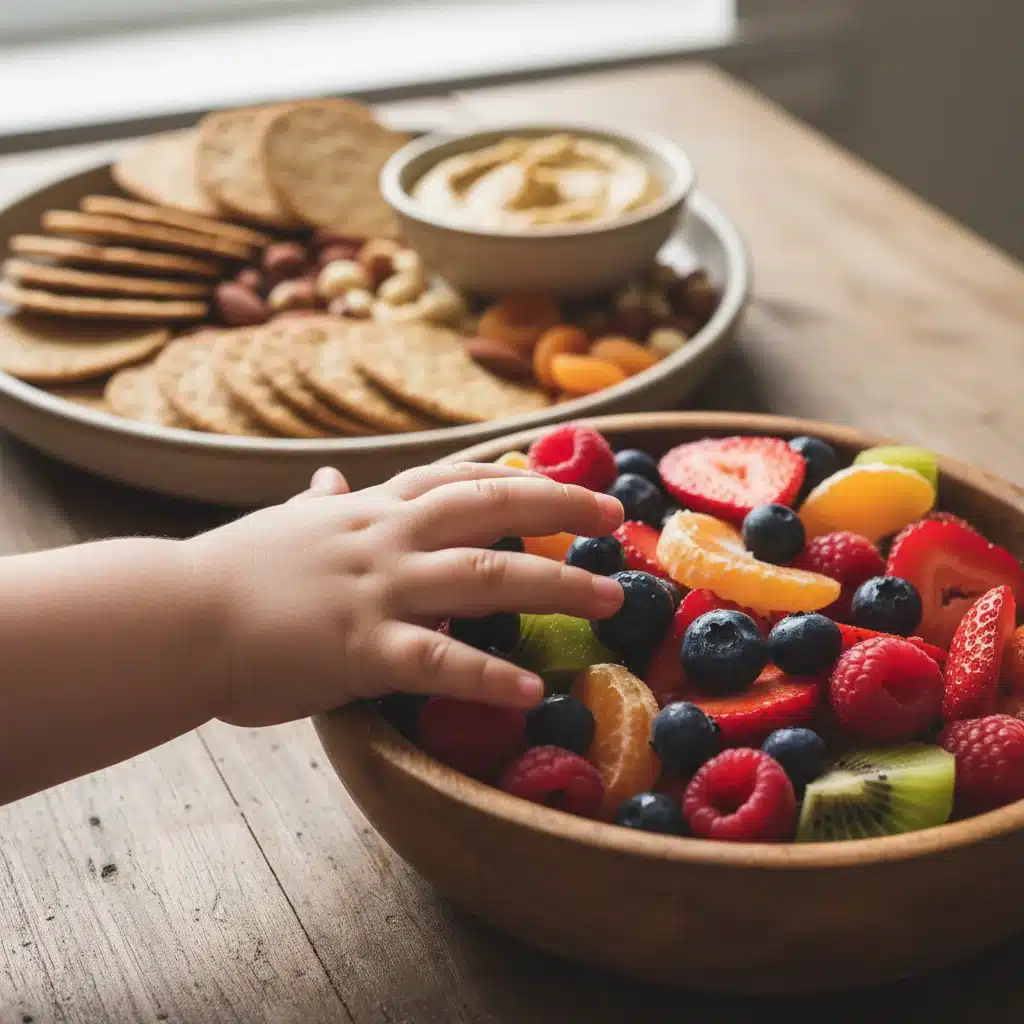
Snacks are often where processed foods sneak into the diet. Plan for healthy, plant-based snacks. Think fruit and nut butter, vegetable sticks with hummus, a handful of mixed nuts, air-popped popcorn, or homemade energy balls made with oats and dates. Keep these readily available to prevent impulsive choices of processed snacks.
7. Gradually Introduce New Plant Foods
Don’t overhaul your family’s diet overnight. Introduce new plant-based foods gradually. Start by swapping one processed item for a whole-food plant-based alternative each week. For example, replace a sugary yogurt with a plain plant-based yogurt topped with fresh fruit. Small, consistent changes are more sustainable and less overwhelming for the entire family.
8. Hydrate with Water, Not Sugary Drinks
Processed beverages like sodas, fruit juices with added sugar, and sweetened teas contribute significantly to processed food intake. Encourage water as the primary beverage. Infuse water with fruits or herbs for a natural flavor boost. This simple change can have a profound impact on overall sugar intake and hydration levels.
Overcoming Common Challenges in Plant-Based Family Nutrition
While the benefits are clear, transitioning to more plant-based family nutrition and reducing processed foods can present challenges. Here’s how to address them:
Picky Eaters
Picky eating is a common concern. Continue to offer new foods without pressure. Present vegetables in different ways (raw, roasted, steamed, pureed in sauces). Make food fun by creating colorful plates or using cookie cutters for shapes. Remember that children often need to be exposed to a new food multiple times before they accept it.
Time Constraints
This is where meal planning, batch cooking, and utilizing healthy convenience products (like pre-chopped vegetables, canned beans, or frozen fruits) become invaluable. Prioritize simple recipes that require minimal ingredients and cooking steps. Leverage slow cookers and instant pots for hands-off cooking.
Social Gatherings and Peer Pressure
Navigating birthday parties, school events, and family gatherings can be tricky. Talk to your children about their food choices in a positive, empowering way. Offer to bring a plant-based dish to potlucks. Teach them to make informed choices without feeling deprived. Focus on the abundance of delicious plant-based options available.
Ensuring Adequate Nutrients
As mentioned, a well-planned plant-based diet is nutritionally complete. Focus on diversity. Ensure regular intake of legumes, nuts, seeds, dark leafy greens, and fortified plant milks. Consult with a registered dietitian specializing in plant-based nutrition for personalized advice, especially for very young children or those with specific dietary needs. Vitamin B12 supplementation is generally recommended for all plant-based diets.
The Long-Term Benefits of Reducing Processed Foods by 25%
The commitment to reducing processed food intake by 25% through enhanced plant-based family nutrition in 2026 will yield significant and lasting benefits:
- Improved Health Outcomes: Lower risk of chronic diseases such as heart disease, type 2 diabetes, certain cancers, and obesity.
- Enhanced Energy Levels: Whole foods provide sustained energy without the sugar crashes associated with processed items.
- Better Digestive Health: High fiber intake from plant foods promotes a healthy gut microbiome and regular digestion.
- Stronger Immune System: Abundant vitamins, minerals, and antioxidants bolster the body’s defenses.
- Positive Relationship with Food: Children learn to appreciate natural flavors and develop healthier eating habits that can last a lifetime.
- Environmental Stewardship: Contributing to a more sustainable food system.
Real-Life Examples: Success Stories in 2026
Across the globe, families are successfully integrating these 2026 updates into their daily lives. The ‘Green Plate Challenge,’ a community initiative launched in several cities, reported an average 30% reduction in processed food purchases among participating families who committed to weekly plant-based meal planning. Educational programs in schools have shown a marked increase in children’s willingness to try new vegetables when presented in creative, plant-forward ways. These success stories underscore the feasibility and positive impact of embracing plant-based family nutrition.
Case Study: The Miller Family’s Transformation
The Miller family, a household of four with two active children aged 7 and 10, struggled with relying on quick, processed meals. Their weekdays were hectic, and weekends often involved takeout. After learning about the 2026 plant-based nutrition guidelines, they decided to make a change. They started by dedicating Sunday afternoons to meal prepping. They’d cook a large batch of quinoa, roast various vegetables like broccoli and sweet potatoes, and prepare a big pot of lentil soup. They also swapped their sugary breakfast cereals for oatmeal with fresh fruit and seeds.
Initially, the children were resistant to some of the new foods, especially lentils. However, by involving them in the cooking process – letting them wash vegetables, stir ingredients, and choose spices – their curiosity grew. They found a few favorite plant-based recipes, like black bean tacos and veggie stir-fries, which became regular staples. Within three months, the Miller family estimated their processed food intake had dropped by well over 25%. They reported increased energy levels, fewer afternoon slumps, and even noticed their children were more focused in school. The biggest surprise was how much they enjoyed the process and the new flavors they discovered as a family.
Looking Ahead: The Future of Plant-Based Family Nutrition
The trajectory for plant-based family nutrition is one of continued growth and innovation. Expect further research into personalized nutrition, utilizing genetic and microbiome data to tailor plant-based diets for optimal health. Educational resources will become even more sophisticated, leveraging AI and virtual reality to make learning about healthy eating engaging for all ages. As our understanding of food systems deepens, the integration of local, seasonal, and sustainable plant-based choices will become even more central to dietary recommendations.
The goal of reducing processed food intake by 25% is not merely a target; it’s an invitation to embark on a journey of discovery and improved well-being for your entire family. By embracing the latest insights and strategies in plant-based family nutrition in 2026, you are not only investing in your family’s health today but also shaping a healthier, more sustainable future for generations to come. Start small, be consistent, and celebrate every plant-powered step forward.