U.S. Nutritional Gaps 2026: Deficiencies & Solutions
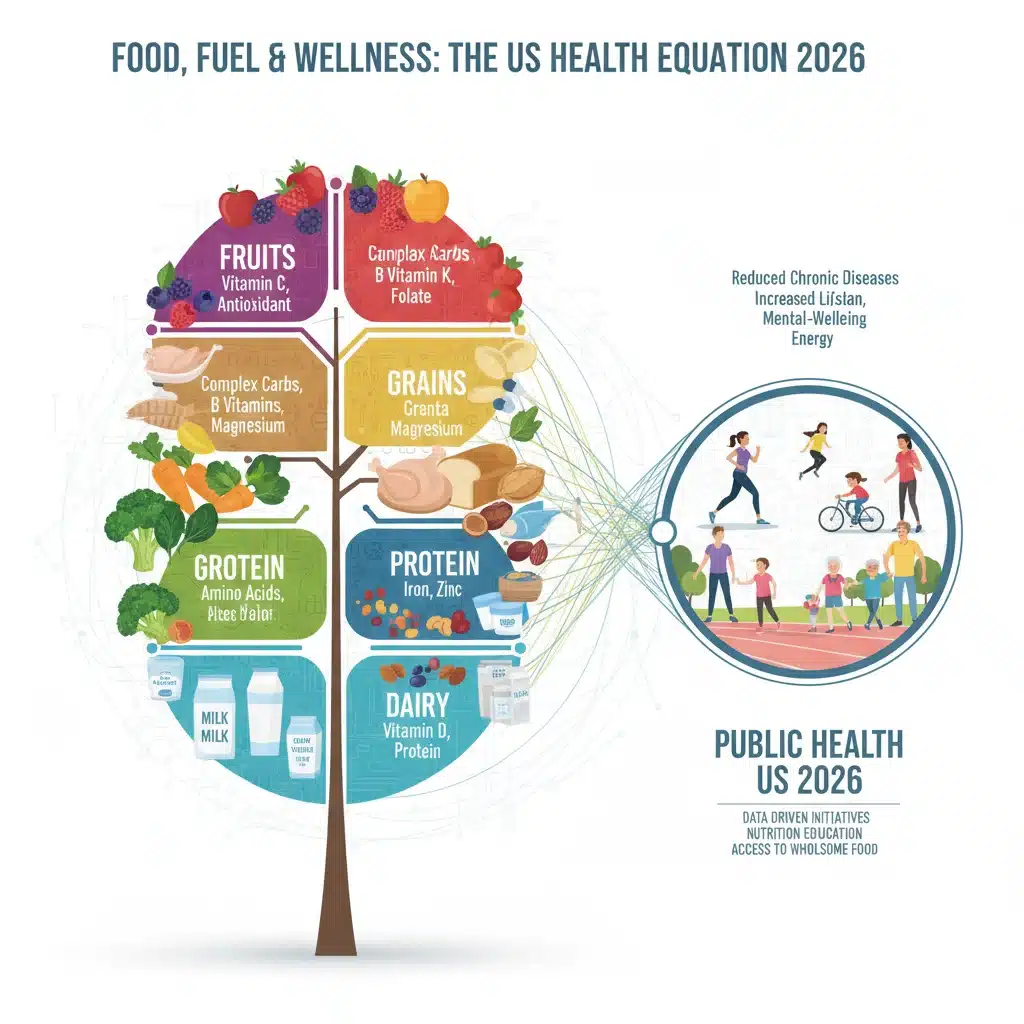
Understanding U.S. Nutritional Gaps: A 2026 Analysis of Common Dietary Deficiencies
In an era of abundant food choices and advanced nutritional science, it might seem counterintuitive that significant U.S. nutritional gaps persist. Yet, as we delve into 2026, a comprehensive analysis reveals that many Americans continue to fall short on essential vitamins and minerals, leading to a cascade of health implications. This article explores the most common dietary deficiencies across the United States, examines their root causes, and proposes actionable strategies to bridge these critical nutritional divides for a healthier future.
The landscape of American nutrition is complex, influenced by socioeconomic factors, dietary patterns, food accessibility, and evolving lifestyle choices. While obesity rates remain a pressing concern, often coexisting with nutrient deficiencies, it’s crucial to understand that ‘fed’ does not always equate to ‘nourished.’ The prevalence of processed foods, coupled with a decline in the consumption of whole, nutrient-dense options, contributes significantly to the widening U.S. nutritional gaps.
The Pervasive Nature of US Nutritional Gaps
Despite widespread awareness campaigns and readily available nutritional information, several key nutrients are consistently under-consumed by a substantial portion of the U.S. population. These U.S. nutritional gaps are not merely minor inconveniences; they contribute to chronic diseases, impair cognitive function, reduce energy levels, and compromise overall quality of life. Understanding which nutrients are most commonly lacking is the first step toward effective intervention.
Vitamin D: The Sunshine Deficiency
Often dubbed the ‘sunshine vitamin,’ Vitamin D deficiency remains one of the most widespread U.S. nutritional gaps. Essential for bone health, immune function, and mood regulation, many Americans do not get enough Vitamin D from sun exposure or diet. Factors contributing to this include limited outdoor activity, increased use of sunscreen, geographical location (especially during winter months), and insufficient dietary intake from sources like fatty fish, fortified milk, and certain mushrooms. The long-term consequences of low Vitamin D levels include an increased risk of osteoporosis, autoimmune diseases, certain cancers, and cardiovascular issues.
Calcium: The Building Block Shortfall
Closely linked with Vitamin D, calcium is another critical nutrient where U.S. nutritional gaps are evident. Primarily known for its role in bone and teeth health, calcium also plays vital roles in nerve transmission, muscle function, and hormone secretion. While dairy products are a well-known source, many individuals, particularly those with lactose intolerance or following plant-based diets, struggle to meet their daily calcium requirements. Non-dairy sources like leafy greens, fortified plant milks, and certain nuts are often not consumed in sufficient quantities to compensate for the absence of dairy.
Potassium: The Electrolyte Imbalance
Potassium is an essential electrolyte crucial for maintaining fluid balance, blood pressure regulation, and nerve signals. The typical American diet, rich in processed foods and low in fruits and vegetables, often leads to a significant potassium shortfall. This imbalance, characterized by high sodium and low potassium intake, is a major contributor to hypertension and an increased risk of heart disease and stroke. Addressing this U.S. nutritional gap requires a conscious effort to incorporate more whole, unprocessed foods into daily meals.
Iron: The Silent Struggle of Anemia
Iron deficiency, leading to anemia, is particularly prevalent among women of childbearing age, pregnant individuals, and young children. Iron is vital for oxygen transport in the blood, energy production, and cognitive development. Symptoms like fatigue, weakness, pale skin, and shortness of breath are common indicators. While red meat is a potent source, inadequate consumption, coupled with poor absorption of non-heme iron from plant sources, contributes to this significant U.S. nutritional gap. Vegetarian and vegan diets require careful planning to ensure adequate iron intake, often necessitating the pairing of iron-rich foods with Vitamin C to enhance absorption.
Magnesium: The Underestimated Mineral
Magnesium participates in over 300 enzymatic reactions in the body, influencing muscle and nerve function, blood glucose control, blood pressure regulation, and energy metabolism. Despite its crucial role, magnesium deficiency is surprisingly common, making it another prominent U.S. nutritional gap. Modern agricultural practices have depleted magnesium levels in soil, affecting the nutrient content of crops. Furthermore, diets high in refined grains, sugary drinks, and processed foods are typically low in magnesium. Rich sources include leafy green vegetables, nuts, seeds, legumes, and whole grains.
Fiber: The Digestive Dilemma
While not a vitamin or mineral, dietary fiber is a critical component often lacking in the American diet, contributing to significant U.S. nutritional gaps. Fiber is essential for digestive health, blood sugar control, cholesterol management, and satiety. A low-fiber diet is linked to constipation, diverticular disease, and an increased risk of heart disease and type 2 diabetes. The reliance on refined grains over whole grains, and insufficient intake of fruits, vegetables, and legumes, are primary culprits.
Omega-3 Fatty Acids: The Brain and Heart Boosters
Omega-3 fatty acids, particularly EPA and DHA, are crucial for brain health, cardiovascular function, and reducing inflammation. The Western diet, with its high intake of omega-6 fatty acids (from vegetable oils) and low intake of omega-3s (from fatty fish, flaxseeds, chia seeds), creates an imbalanced ratio that contributes to chronic inflammatory conditions. This imbalance represents a critical U.S. nutritional gap with far-reaching health implications.
Root Causes of U.S. Nutritional Gaps
Identifying the deficiencies is only half the battle; understanding their underlying causes is paramount for developing effective solutions. The U.S. nutritional gaps stem from a confluence of factors:
- Dietary Choices and Patterns: The pervasive consumption of ultra-processed foods, high in calories but low in essential nutrients, is a leading cause. These foods often displace more nutritious options.
- Food Insecurity and Access: For many low-income communities, access to fresh, affordable, and nutritious food is limited. ‘Food deserts’ force reliance on convenience stores and fast food, perpetuating U.S. nutritional gaps.
- Agricultural Practices: Modern farming methods can deplete soil nutrients, potentially leading to lower nutrient content in fruits and vegetables compared to previous generations.
- Lifestyle Factors: Sedentary lifestyles, chronic stress, and inadequate sleep can impact nutrient absorption and increase the body’s demand for certain nutrients.
- Lack of Nutritional Education: A general lack of understanding about balanced eating and the importance of various nutrients contributes to poor dietary decisions.
- Medical Conditions and Medications: Certain health conditions or medications can interfere with nutrient absorption or increase nutrient requirements, exacerbating existing U.S. nutritional gaps.
- Aging Population: As the population ages, nutrient absorption can decrease, and specific dietary needs may change, requiring targeted nutritional strategies.

Bridging the Divide: Strategies to Address US Nutritional Gaps
Addressing the complex issue of U.S. nutritional gaps requires a multi-faceted approach involving individual responsibility, public health initiatives, and policy changes. Here are key strategies:
1. Emphasize Whole Foods and Dietary Diversity
The cornerstone of closing U.S. nutritional gaps lies in shifting dietary patterns towards whole, unprocessed foods. This means prioritizing:
- Fruits and Vegetables: Aim for a wide variety of colors and types to ensure a broad spectrum of vitamins, minerals, and antioxidants.
- Whole Grains: Opt for whole wheat bread, brown rice, oats, quinoa, and other whole grains instead of refined versions.
- Lean Proteins: Include sources like poultry, fish, beans, lentils, tofu, and lean meats.
- Healthy Fats: Incorporate avocados, nuts, seeds, and olive oil for essential fatty acids.
Promoting dietary diversity ensures a broader intake of essential nutrients and can naturally mitigate many U.S. nutritional gaps.
2. Enhance Nutritional Education and Awareness
Empowering individuals with knowledge is crucial. Educational programs in schools, workplaces, and communities can:
- Teach practical cooking skills and meal planning.
- Explain the importance of various nutrients and their food sources.
- Help individuals identify and avoid ultra-processed foods.
- Provide guidance on reading food labels effectively.
Clear, accessible information can significantly impact individual dietary choices and reduce U.S. nutritional gaps.
3. Improve Food Access and Affordability
Addressing food deserts and making nutritious food more affordable are critical policy interventions. This includes:
- Supporting farmers’ markets and community gardens in underserved areas.
- Incentivizing grocery stores to open in food deserts.
- Strengthening food assistance programs (e.g., SNAP, WIC) and ensuring they promote healthy food choices.
- Developing policies that make healthy foods more competitive in price with unhealthy options.
These initiatives directly tackle the socioeconomic barriers that contribute to U.S. nutritional gaps.
4. Strategic Supplementation When Necessary
While a balanced diet should always be the primary source of nutrients, targeted supplementation can be beneficial for certain individuals or populations with persistent U.S. nutritional gaps. However, supplementation should always be guided by healthcare professionals, as excessive intake of some nutrients can be harmful. Common areas for consideration include:
- Vitamin D: Especially for those with limited sun exposure or diagnosed deficiency.
- Iron: For individuals with anemia, particularly pregnant women or those with heavy menstrual bleeding.
- B12: Crucial for vegetarians and vegans, as it is primarily found in animal products.
- Omega-3s: For those who do not regularly consume fatty fish.
It’s important to remember that supplements are meant to ‘supplement’ a healthy diet, not replace it.
5. Fortification of Staple Foods
Food fortification, where essential micronutrients are added to commonly consumed foods, has historically been effective in reducing widespread deficiencies. Examples include iodine in salt and folic acid in grain products. Expanding and refining fortification programs, especially for nutrients identified as major U.S. nutritional gaps, could be a powerful public health tool.
6. Promote Sustainable and Nutrient-Rich Agriculture
Investing in agricultural practices that enhance soil health and nutrient content can lead to more nutritious produce. Sustainable farming methods, crop rotation, and reduced pesticide use can all contribute to healthier food systems that naturally help close U.S. nutritional gaps.
7. Public Health Campaigns and Policy Support
Government agencies and public health organizations play a vital role in launching effective campaigns that promote healthy eating and active lifestyles. Policies that support healthier food environments, such as clearer food labeling, restrictions on marketing unhealthy foods to children, and incentives for workplaces to offer healthier options, can create systemic changes that address U.S. nutritional gaps on a broader scale.

Long-Term Health Implications of Unaddressed US Nutritional Gaps
The failure to address these U.S. nutritional gaps has profound long-term consequences for individual and public health. Chronic deficiencies contribute to:
- Increased Chronic Disease Risk: Higher rates of heart disease, type 2 diabetes, osteoporosis, and certain cancers.
- Impaired Cognitive Function: Deficiencies in iron, B vitamins, and omega-3s can affect memory, focus, and overall brain health, impacting academic performance and productivity.
- Weakened Immune System: Insufficient intake of vitamins C, D, and zinc can compromise the body’s ability to fight off infections.
- Poor Reproductive Health: Deficiencies can impact fertility, pregnancy outcomes, and fetal development.
- Reduced Quality of Life: Symptoms like fatigue, muscle weakness, and mood disturbances significantly diminish overall well-being.
- Higher Healthcare Costs: The long-term health issues stemming from nutritional deficiencies place a substantial burden on the healthcare system.
Therefore, addressing U.S. nutritional gaps is not just about individual health; it’s an investment in the nation’s economic productivity and overall societal well-being.
The Role of Personalized Nutrition
As we move further into the 21st century, the concept of personalized nutrition is gaining traction as a potential tool to combat U.S. nutritional gaps. Advances in genomics, metabolomics, and wearable technology allow for a more tailored approach to dietary recommendations. Instead of one-size-fits-all guidelines, personalized nutrition considers an individual’s unique genetic makeup, lifestyle, health status, and even gut microbiome composition to provide precise dietary advice. This approach could be particularly effective in identifying and correcting specific U.S. nutritional gaps that might be overlooked by general recommendations. While still an emerging field, personalized nutrition holds promise for more targeted interventions.
Challenges and Opportunities in Personalized Nutrition for US Nutritional Gaps:
- Data Privacy and Security: Handling sensitive genetic and health data requires robust privacy protocols.
- Accessibility and Cost: Personalized nutrition services can be expensive, potentially exacerbating health disparities if not made widely accessible.
- Scientific Validation: More research is needed to fully validate the efficacy of highly personalized dietary interventions across diverse populations.
- Integration with Healthcare: Seamless integration of personalized nutrition into routine medical care could optimize its impact.
Despite these challenges, the ability to pinpoint exact deficiencies and recommend specific foods or supplements based on individual needs offers a powerful new avenue for closing U.S. nutritional gaps.
Conclusion: A Call to Action for a Nutritionally Healthier America
The U.S. nutritional gaps in 2026 present a clear challenge, but also a significant opportunity for collective action. By understanding the common deficiencies—from Vitamin D and calcium to iron, magnesium, fiber, and omega-3s—and by recognizing their complex origins, we can formulate effective strategies. These strategies must encompass individual dietary changes, robust public health education, improved food access and affordability, and supportive policy frameworks. Embracing whole foods, promoting diverse diets, and leveraging emerging fields like personalized nutrition are essential steps.
Closing these U.S. nutritional gaps is not merely about preventing illness; it’s about fostering a vibrant, energetic, and cognitively sharp population capable of reaching its full potential. It’s an investment in the health, productivity, and future prosperity of the nation. As consumers, educators, policymakers, and healthcare providers, we all have a role to play in building a nutritionally healthier America, ensuring that ‘fed’ truly means ‘nourished’ for every citizen.
The journey to eradicate these widespread deficiencies will be ongoing, requiring continuous research, adaptation, and commitment. However, with concerted effort and a focus on sustainable, equitable solutions, we can significantly improve the nutritional status of the U.S. population and lay the groundwork for a healthier, more resilient society in the years to come. Let’s make 2026 the year we truly begin to bridge the U.S. nutritional gaps.