Sustainable Eating 2026: Reduce Food Waste by 10% in U.S. Households
Anúncios
The 2026 Guide to Sustainable Eating: Reducing Food Waste by 10% in U.S. Households
Food waste is a colossal problem, not just in the United States but globally. Every year, an astonishing amount of edible food ends up in landfills, contributing to greenhouse gas emissions, wasting valuable resources, and representing a significant economic loss for households. In the U.S. alone, it’s estimated that 30-40% of the food supply is wasted. This translates to approximately 130 billion meals and over $400 billion lost annually. The environmental impact is equally staggering, with food waste being a major contributor to climate change due to the methane gas produced when organic matter decomposes in landfills.
Anúncios
As we look towards 2026, there’s a growing urgency and opportunity for U.S. households to adopt more sustainable eating practices and make a tangible difference. Our goal is ambitious yet achievable: to help U.S. households collectively reduce food waste by 10% by 2026. This isn’t just about saving money; it’s about fostering a more sustainable future, conserving resources, and promoting a healthier planet. This comprehensive guide will equip you with the knowledge, strategies, and practical tips needed to become a food waste reduction champion in your own home.
The journey to reduce food waste starts with understanding the problem and then implementing small, consistent changes that collectively create a significant impact. From smart shopping habits to innovative cooking techniques and effective storage solutions, every step counts. Let’s delve into the core principles and actionable strategies that will empower you to transform your kitchen into a bastion of sustainability.
Anúncios
The current landscape of food waste in the U.S. is complex, driven by a combination of consumer behavior, retail practices, and agricultural inefficiencies. However, households play a crucial role in this equation. A significant portion of food waste occurs at the consumer level, often due to over-purchasing, improper storage, and misunderstanding expiration dates. By focusing on these areas, individual households can wield immense power in the fight against food waste.
Our target of a 10% reduction by 2026 is not merely a number; it’s a call to action. Imagine the collective impact if every household in the U.S. adopted just a few of the strategies outlined in this guide. The environmental benefits, from reduced greenhouse gas emissions to conserved water and land, would be monumental. The economic savings for families would also be substantial, freeing up resources for other essential needs or even a little extra indulgence. This guide is designed to be your roadmap, offering practical, easy-to-implement solutions that fit seamlessly into busy modern lifestyles. Let’s embark on this journey together and make a real difference, one meal at a time, to reduce food waste.
Understanding the Magnitude of Food Waste in the U.S.
Before we dive into solutions, it’s essential to grasp the sheer scale of the food waste problem in the United States. According to the USDA, food waste is estimated at between 30-40% of the food supply. This figure is based on food loss at the retail and consumer levels. What does this mean in practical terms? It means that nearly half of all the food produced in the country never gets eaten. This includes food left in fields, rejected by supermarkets for cosmetic reasons, or simply thrown away by consumers.
The environmental repercussions are severe. When food rots in landfills, it produces methane, a greenhouse gas significantly more potent than carbon dioxide in contributing to global warming. In fact, food waste is a major contributor to climate change. Beyond emissions, wasting food also means wasting all the resources that went into producing it: water, land, energy, labor, and transportation. Think about the thousands of gallons of water used to grow crops that are never consumed, or the fuel expended to transport food that ends up in the trash.
Economically, the impact on U.S. households is staggering. The average American family of four reportedly throws away approximately $1,500 to $2,000 worth of food each year. This is money that could be saved, invested, or spent on other necessities. Reducing food waste isn’t just an environmental imperative; it’s a financial opportunity for every household. By focusing on strategies to reduce food waste, families can see tangible savings almost immediately.
Societally, the issue of food waste stands in stark contrast to the persistent problem of food insecurity. While millions of Americans struggle to access sufficient nutritious food, vast quantities of edible food are discarded. Addressing food waste can also contribute to food security by redirecting surplus food to those in need, though this requires systemic changes beyond individual household efforts. However, by reducing waste at home, we free up resources and shift societal norms towards greater respect for food.
The good news is that a significant portion of food waste is preventable. Much of it stems from habits and practices that can be changed with awareness and effort. This guide focuses on empowering you, the consumer, to take control of your food consumption and waste patterns. By understanding the problem, we can better appreciate the impact of our individual actions and collectively work towards the 2026 goal of a 10% reduction in household food waste. Every banana peel saved from the landfill, every forgotten leftover transformed into a new meal, contributes to this larger mission to reduce food waste.
Strategic Meal Planning: The Foundation of Food Waste Reduction
One of the most effective ways to reduce food waste is to start before you even set foot in the grocery store: with strategic meal planning. haphazard shopping often leads to impulse buys, forgotten ingredients, and ultimately, wasted food. A well-thought-out meal plan can save you money, time, and significantly cut down on what you throw away.
Create a Weekly Meal Plan
Before you make your shopping list, sit down and plan out your meals for the week. Consider breakfasts, lunches, dinners, and any snacks. Think about how ingredients can be repurposed. For example, if you’re roasting a chicken for dinner, plan to use the leftover chicken in sandwiches or a salad the next day. This maximizes the use of each ingredient and minimizes the chances of food going bad.
- Inventory Your Pantry and Refrigerator: Before planning, check what you already have. This prevents duplicate purchases and ensures you use up older items first.
- Plan Portions Carefully: Be realistic about how much you and your family will eat. It’s better to cook slightly less and have no leftovers than to cook too much and throw away plates of uneaten food.
- Incorporate 'Use-It-Up' Meals: Dedicate one meal a week to using up various odds and ends from your fridge and pantry. A 'fridge clean-out' stir-fry, frittata, or soup can be delicious and surprisingly creative.
Smart Shopping Habits
Once your meal plan is complete, create a precise shopping list based on the ingredients you need. Stick to this list as much as possible to avoid impulse purchases that often lead to waste.
- Shop with a List: This is non-negotiable. A list keeps you focused and prevents buying items you don't need.
- Avoid Over-Buying: While bulk buying can seem economical, it often leads to waste if you can't consume everything before it spoils. Buy only what you realistically need for the week.
- Check 'Best By' and 'Use By' Dates: Understand the difference. 'Best By' indicates peak quality, while 'Use By' is a safety recommendation. Don't automatically discard food just because it's past its 'Best By' date. Use your senses – if it smells and looks fine, it's likely still good.
- Shop More Frequently, Buy Less: If your schedule allows, consider making smaller, more frequent trips to the grocery store. This ensures you always have fresh ingredients and reduces the likelihood of produce going bad before you can use it.
By investing a little time in meal planning and adopting smart shopping habits, you lay a solid foundation for significantly reducing the amount of food waste in your household. These practices not only help you reduce food waste but also streamline your cooking process and save you money in the long run.
Mastering Food Storage Techniques for Longevity
Improper food storage is a major contributor to household food waste. Understanding how to correctly store different types of food can dramatically extend their shelf life, ensuring you get to enjoy every bite. This section will guide you through best practices for refrigeration, freezing, and pantry storage, all aimed at helping you reduce food waste.
Refrigerator Organization and Best Practices
Your refrigerator is a crucial tool in preventing food waste, but only if used effectively. Different foods thrive at different temperatures and humidity levels.
- Keep Your Fridge Organized: A cluttered fridge means forgotten food. Designate specific shelves for different food types (e.g., dairy, cooked leftovers, produce).
- Understand Temperature Zones: The coldest parts of your fridge are usually the back and bottom shelves. Use these for raw meats and dairy. The door is the warmest, ideal for condiments.
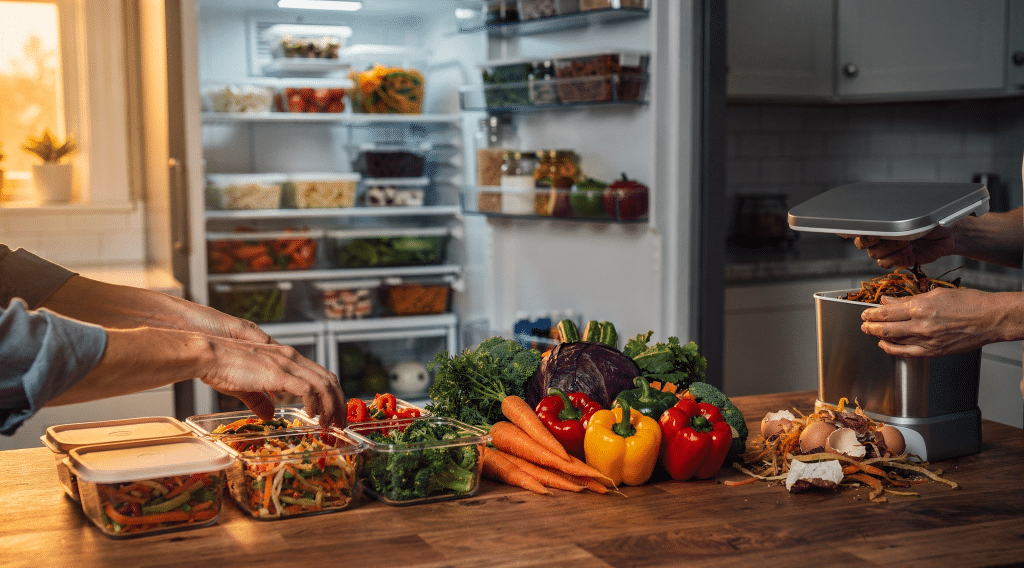
- Use Airtight Containers: Leftovers and opened packages should be stored in airtight containers to prevent spoilage and odor transfer. Glass containers are excellent as they are non-reactive and allow you to see the contents.
- Proper Produce Storage:
- Crisper Drawers: Many refrigerators have two crisper drawers, one for high humidity (leafy greens, broccoli, carrots) and one for low humidity (apples, pears, citrus). Learn how to use them.
- Don't Wash Until Ready to Use: Washing produce before storing it can introduce moisture that accelerates spoilage.
- Ethylene-Producing vs. Ethylene-Sensitive: Some fruits (apples, bananas, tomatoes) produce ethylene gas, which can ripen and spoil other produce faster. Store them separately from ethylene-sensitive items (broccoli, lettuce, cucumbers).
- Label Everything: Use labels with dates for leftovers and opened packages. This helps you track freshness and ensures 'first in, first out' (FIFO) rotation.
The Power of Freezing
Freezing is an underutilized superpower when it comes to preventing food waste. Almost anything can be frozen, extending its life for weeks or months.
- Blanch Vegetables Before Freezing: For most vegetables, a quick blanch (boiling for a few minutes, then plunging into ice water) helps preserve their color, texture, and nutrients before freezing.
- Portion Before Freezing: Freeze food in meal-sized portions so you only thaw what you need. This is especially useful for soups, stews, and cooked grains.
- Use Freezer-Safe Containers/Bags: Prevent freezer burn by using quality freezer bags or airtight containers. Remove as much air as possible.
- Label and Date: Just like the fridge, label everything with the contents and date of freezing. Keep a running inventory of your freezer contents to avoid forgotten items.
- Freeze Leftovers: Don't let that extra portion of lasagna go to waste. Freeze it for a quick meal on a busy day.
Pantry Storage Solutions
Even non-perishable items can go bad or lose quality if not stored correctly.
- Cool, Dark, Dry Place: Most pantry staples (grains, pasta, canned goods, spices) prefer a cool, dark, and dry environment. Humidity and light can degrade quality.
- Airtight Containers for Dry Goods: Once opened, store flour, sugar, rice, pasta, and cereals in airtight containers to protect them from pests and moisture.
- Root Vegetables: Potatoes, onions, and garlic prefer cool, dark, and well-ventilated spaces, not the refrigerator (which can make them sprout or turn starchy).
- Rotate Stock: Practice FIFO in your pantry too. Move older items to the front so they are used first.
By implementing these advanced storage techniques, you'll not only extend the life of your groceries but also create a more organized and efficient kitchen. Mastering storage is a critical step in your journey to significantly reduce food waste and contribute to our 2026 goal.
Creative Cooking and Repurposing Leftovers
Even with the best meal planning and storage, you’ll inevitably have some leftovers or ingredients nearing their prime. This is where creativity in the kitchen comes into play. Learning to repurpose food is an art form that significantly helps to reduce food waste.
Transforming Leftovers into New Meals
Don’t just reheat leftovers; reinvent them! This makes mealtime more exciting and ensures food gets eaten.
- Roasted Vegetables: Leftover roasted vegetables can be tossed into a frittata, blended into a soup, added to a pasta dish, or used as a topping for pizza.
- Cooked Grains: Extra rice or quinoa can become the base for a stir-fry, a cold salad, or even a breakfast porridge.
- Cooked Meats: Shredded chicken or beef can be used in tacos, quesadillas, sandwiches, or added to soups and casseroles.
- Stale Bread: Don’t throw away stale bread! Turn it into croutons for salads, breadcrumbs for cooking, or a delicious bread pudding. 'Panzanella' (Italian bread salad) is another excellent option.
- Soups and Broths: Almost any leftover vegetable, meat scrap, or even Parmesan rinds can be used to make a flavorful stock or soup base. This is a fantastic way to extract every bit of flavor and nutrition.
Utilizing Scraps and 'Ugly' Produce
Many parts of fruits and vegetables that people typically discard are perfectly edible and nutritious. 'Ugly' produce, while cosmetically imperfect, is just as good as its flawless counterparts.
- Vegetable Scraps: Keep a 'scrap bag' in your freezer for vegetable trimmings (onion skins, carrot tops, celery ends, herb stems). Once full, use them to make a rich vegetable broth.
- Fruit Peels and Cores: Apple cores and citrus peels can be used to infuse water, make flavored vinegars, or even added to smoothies. Lemon and orange peels can be candied.
- Broccoli Stems: Don't discard broccoli stems! Peel them and chop them finely to add to stir-fries, salads, or even broccoli slaw.
- Beet Greens/Carrot Tops: These are often more nutritious than the root vegetables themselves. Sauté beet greens like spinach or blend carrot tops into a pesto.
- 'Ugly' Produce: Embrace imperfect fruits and vegetables. They are often sold at a discount and are perfect for cooking, blending into smoothies, or making sauces.
Batch Cooking and Portion Control
Cooking larger batches of staple items and then portioning them out can be a time-saver and a waste-reducer.
- Cook Grains in Bulk: Cook a large pot of rice, quinoa, or other grains at the beginning of the week. Store in the fridge and use as needed for various meals.
- Prepare Protein Ahead: Cook a large batch of chicken, beans, or lentils that can be incorporated into different meals throughout the week.
- Portion Control: When serving, be mindful of portion sizes. It’s easier to go back for seconds than to throw away uneaten food. Encourage family members to take only what they can finish.
By embracing these creative cooking and repurposing strategies, you not only reduce your household's food waste but also expand your culinary skills and save money. Every scrap saved, every leftover transformed, brings us closer to our 2026 goal to significantly reduce food waste.
Composting and Recycling: The Last Resort, Not the First
Even with the most diligent efforts in meal planning, smart storage, and creative cooking, some food waste is inevitable. For these unavoidable scraps, composting and recycling become essential tools in minimizing their environmental impact. It’s crucial to view these as the last resort, after all efforts to consume or repurpose food have been exhausted, but they are vital components in a holistic strategy to reduce food waste.
The Benefits of Composting
Composting is the natural process of recycling organic matter, such as food scraps and yard waste, into a rich soil amendment called compost. This 'black gold' is teeming with nutrients and beneficial microorganisms, making it an excellent natural fertilizer for gardens, houseplants, and lawns.
- Reduces Landfill Waste: Diverting food scraps from landfills significantly reduces the amount of methane gas produced, a potent greenhouse gas.
- Enriches Soil: Compost improves soil structure, water retention, and provides essential nutrients, reducing the need for chemical fertilizers.
- Supports Local Ecosystems: Healthy soil supports a vibrant ecosystem of beneficial insects and microorganisms.
- Saves Money: By creating your own compost, you reduce the need to purchase soil amendments and fertilizers.
How to Start Composting at Home
Composting might seem daunting, but it's surprisingly easy to get started, even in urban environments.
- Choose Your Method:
- Outdoor Composting Bin: Ideal for homes with yards. Various bins are available, or you can build your own.
- Indoor Composting (Worm Composting/Vermicomposting): A great option for apartments or small spaces. Red wiggler worms do the work, turning scraps into nutrient-rich castings.
- Bokashi Composting: An anaerobic fermentation process that can handle almost all food scraps, including meat and dairy, before they are buried or added to a traditional compost pile.
- What to Compost ('Greens' and 'Browns'): A healthy compost pile needs a balance of nitrogen-rich 'greens' and carbon-rich 'browns'.
- Greens (Nitrogen): Fruit and vegetable scraps, coffee grounds, tea bags, grass clippings.
- Browns (Carbon): Dry leaves, shredded newspaper, cardboard, wood chips.
- What NOT to Compost: Avoid meat, dairy products, oily foods, and diseased plants in traditional compost piles, as they can attract pests and create odors.
- Maintain Your Compost: Keep it moist (like a wrung-out sponge) and turn it regularly to aerate it and speed up decomposition.
Food Waste Recycling Programs
If home composting isn't feasible for you, check if your local municipality offers food waste recycling or collection programs. Many cities are increasingly implementing curbside organic waste collection, where food scraps are picked up along with other recycling and taken to commercial composting facilities.
- Community Composting: Some communities have drop-off points for food scraps, often at farmers' markets or community gardens.
- Food Waste Disposers: While convenient, garbage disposals simply move food waste into the wastewater system, which can put a strain on treatment plants. Composting is generally a more environmentally friendly option.
By consciously managing unavoidable food waste through composting or recycling, you close the loop on your household's food consumption. This final step ensures that even what can't be eaten contributes positively to the environment rather than negatively. Embracing composting is a powerful way to further your commitment to reducing your environmental footprint and helping the nation reduce food waste by 10% by 2026.
Educating the Household: A Collective Effort
Achieving a 10% reduction in food waste by 2026 isn’t a solo mission; it requires the collective effort of everyone in the household. Educating family members, especially children, about the importance of sustainable eating and food waste reduction is paramount. When everyone is on board, the impact multiplies, and habits become ingrained for future generations.
Involve Everyone in the Process
Make food waste reduction a family project. When everyone understands their role and the benefits, they’re more likely to participate enthusiastically.
- Meal Planning Together: Involve children and other family members in weekly meal planning. This gives them ownership and makes them more likely to eat what’s prepared.
- Shopping Trips: Take family members to the grocery store. Explain why certain items are chosen, how to read labels, and the importance of sticking to a list to prevent over-purchasing.
- Cooking Together: Encourage participation in cooking. When people understand the effort that goes into preparing a meal, they tend to appreciate it more and waste less.
- Portion Awareness: Teach children about appropriate portion sizes. Encourage them to start with smaller servings and only take more if they’re still hungry.
Open Communication About Food Waste
Create an open dialogue about food waste in your home. Instead of shaming, focus on problem-solving and learning.
- Discuss the 'Why': Explain the environmental and economic impacts of food waste in an age-appropriate manner. For children, analogies like 'wasting food wastes water and energy' can be effective.
- Review 'Waste Audits': Occasionally, take a look at what's being thrown away. Discuss why it wasn't eaten or used. Was it a disliked meal? Too much cooked? Stored improperly? Use these as learning opportunities.
- Celebrate Successes: Acknowledge and celebrate when food waste is successfully reduced or when creative repurposing happens. Positive reinforcement goes a long way.
Empowering Children with Sustainable Habits
Children are sponges, eager to learn and participate. Instilling good habits early on can have a lifelong impact.
- Hands-On Learning: Let them help sort recyclables, add scraps to the compost bin, or participate in gardening if you have one.
- Creative Cooking Challenges: Turn repurposing leftovers into a fun challenge. 'What can we make with these last few carrots and some leftover rice?'
- Understanding Expiration Dates: Teach older children the difference between 'Best By' and 'Use By' dates and how to use their senses to judge food freshness.
- Lead by Example: The most powerful teaching tool is your own behavior. When children see you consistently making sustainable choices, they are more likely to adopt them themselves.
By fostering a household culture that values food and actively works to reduce food waste, you’re not just meeting a target; you’re building a foundation for a more sustainable lifestyle for everyone involved. This collective approach is crucial for reaching the 2026 goal and ensuring these practices become second nature.
Beyond the Kitchen: Community and Policy Impact
While individual household efforts are foundational to reaching our goal of reducing food waste by 10% by 2026, it’s also important to acknowledge the broader ecosystem of food waste. Engaging with community initiatives and understanding policy changes can amplify the impact of your personal actions and create systemic change that further helps to reduce food waste.
Supporting Local Food Systems
Buying local food often means fresher produce with a shorter supply chain, reducing the likelihood of spoilage during transport and storage.
- Farmers' Markets: Support local farmers by purchasing directly from them. You can often find 'ugly' produce that might be rejected by larger grocery stores but is perfectly delicious.
- Community Supported Agriculture (CSAs): Joining a CSA means you receive a weekly box of fresh, seasonal produce directly from a local farm. This encourages you to cook with what's available and reduces waste from overproduction.
- Community Gardens: Participate in or support community gardens. Growing your own food connects you more deeply to the food system and reduces transportation emissions.
Food Recovery and Donation Programs
Even with the best intentions, sometimes households or businesses have surplus food. Redirecting this edible food to those in need is a critical step in preventing it from becoming waste.
- Food Banks and Pantries: Support local food banks and pantries with donations of non-perishable goods. Some also accept fresh produce from home gardens.
- Food Recovery Organizations: Look for local organizations that collect surplus food from restaurants, grocery stores, and events to distribute to hungry individuals and families.
- Gleaning: Participate in gleaning efforts, where volunteers harvest surplus crops from farms or gardens that would otherwise go to waste.
Advocacy for Policy Changes
Systemic change requires policy support. As an informed consumer, you can advocate for policies that help to reduce food waste at a larger scale.
- Standardized Date Labels: Advocate for clearer, standardized food date labeling (e.g., distinguishing between 'Best By' for quality and 'Use By' for safety) to reduce consumer confusion and unnecessary discarding of edible food.
- Composting Infrastructure: Support local government initiatives to expand composting programs, including curbside collection and commercial composting facilities.
- Food Waste Legislation: Support policies that incentivize food donation, provide tax breaks for businesses that reduce waste, and fund research into food waste solutions.
- Educate Others: Share your knowledge and passion for food waste reduction with friends, family, and your wider community. The more people who are aware, the greater the collective impact.
By looking beyond your own kitchen and engaging with community initiatives and policy discussions, you become part of a larger movement. Your personal actions to reduce food waste are powerful, but when combined with collective efforts, they can truly transform our food system and accelerate our progress towards a more sustainable future by 2026 and beyond.
Conclusion: Your Role in a Sustainable Future by 2026
The journey to reduce food waste by 10% in U.S. households by 2026 is an ambitious yet entirely achievable goal. As we have explored throughout this guide, the power to make a significant difference lies within each and every household. By adopting mindful practices, from strategic meal planning and smart shopping to mastering food storage and embracing creative cooking, you contribute directly to a healthier planet and a more sustainable future.
We've delved into the profound impact of food waste on our environment, economy, and society, highlighting the urgency of collective action. We've provided actionable strategies that are not only effective in cutting down waste but also offer tangible benefits like saving money and fostering greater culinary creativity. From understanding the nuances of refrigerator organization to the transformative potential of your freezer and the eco-friendly cycle of composting, every tip and technique is designed to empower you.
Remember, this isn’t about perfection; it’s about progress. Even small, consistent changes can accumulate into a substantial impact over time. Start with one or two strategies that resonate most with you, integrate them into your routine, and gradually build upon them. Involve your family, educate your children, and share your successes. By making food waste reduction a conscious and continuous effort, you become a vital part of the solution.
The 2026 target is not just a deadline; it’s a milestone. It’s an opportunity for U.S. households to collectively demonstrate leadership in sustainable living. By reducing your food waste, you're not only conserving precious resources and mitigating climate change but also setting an example for others and fostering a deeper appreciation for the food that nourishes us.
Let this guide serve as your ongoing resource and inspiration. Revisit its sections, experiment with new ideas, and keep striving for a more sustainable kitchen. Together, we can reach and even surpass our goal to significantly reduce food waste, creating a healthier, more resilient food system for generations to come. Your plate, your pantry, and your planet will thank you.