2026 Plant-Based Eating: Essential Nutrients for US Families

Anúncios
The 2026 Guide to Plant-Based Eating: 5 Essential Nutrients for U.S. Families (INSIDER KNOWLEDGE)
Welcome to 2026! The landscape of nutrition and dietary choices continues to evolve at a rapid pace, with plant-based eating firmly established as a significant and growing trend across the United States. More and more families are embracing this lifestyle, driven by a combination of health benefits, ethical considerations, and environmental awareness. However, transitioning to or maintaining a plant-based diet, especially for an entire family, requires careful planning to ensure all nutritional needs are met. This is where insider knowledge becomes invaluable.
The core challenge for many U.S. families adopting a plant-based diet is not just about eliminating animal products, but about understanding how to replace the nutrients traditionally sourced from them. In 2026, with an abundance of innovative plant-based products and a wealth of scientific research, this task is more achievable than ever before. Yet, misconceptions persist, and ensuring optimal intake of certain key nutrients remains paramount for the health and well-being of every family member, from toddlers to adults.
Anúncios
This comprehensive guide delves into the five essential plant-based nutrients that every U.S. family should prioritize in 2026. We’ll explore why these plant-based nutrients are crucial, where to find them in abundance, and practical strategies for incorporating them into your family’s daily meals. Our goal is to empower you with the knowledge to create a balanced, thriving, and delicious plant-based diet for your loved ones, moving beyond basic substitutions to truly optimized nutrition.
Understanding these essential plant-based nutrients isn’t just about avoiding deficiencies; it’s about unlocking the full potential of a plant-powered lifestyle. A well-planned plant-based diet can offer a myriad of health benefits, including reduced risk of chronic diseases, improved gut health, and increased energy levels. But the "well-planned" part is critical, and that’s precisely what we’re here to help you achieve. Let’s embark on this journey to master plant-based nutrition for your family in 2026.
Anúncios
1. Vitamin B12: The Non-Negotiable Plant-Based Nutrient
When discussing plant-based diets, Vitamin B12 invariably comes up first, and for good reason. It is arguably the most critical nutrient that requires intentional supplementation or consumption of fortified foods for anyone following a vegan or predominantly plant-based diet. Unlike many other vitamins, B12 is not naturally produced by plants. It is synthesized by bacteria and found primarily in animal products.
Why is Vitamin B12 So Important?
Vitamin B12 plays a vital role in several fundamental bodily functions. It is essential for nerve function, the formation of red blood cells, and DNA synthesis. A deficiency can lead to serious and irreversible neurological damage, anemia, fatigue, and impaired cognitive function. For growing children, adequate B12 is even more critical for proper development of the brain and nervous system. For adults, it helps maintain energy levels and mental clarity.
Sources and Strategies for U.S. Families in 2026
Given its absence in natural plant foods, relying solely on unfortified plant sources is not an option for B12. Here’s how U.S. families can ensure sufficient intake of this essential plant-based nutrient:
- Fortified Foods: In 2026, the market is saturated with excellent fortified plant-based options. Look for plant milks (almond, soy, oat), breakfast cereals, nutritional yeasts, and some meat alternatives that are fortified with B12. Always check the nutrition labels to confirm B12 content.
- Supplements: This is often the most reliable way to ensure adequate B12 intake. A daily or weekly B12 supplement is generally recommended for all plant-based individuals, including children (in appropriate dosages, consult a pediatrician). Methylcobalamin and cyanocobalamin are common forms, with cyanocobalamin often being more stable and widely studied.
- Nutritional Yeast: A popular ingredient in plant-based cooking, nutritional yeast often boasts a significant amount of B12. It has a cheesy flavor and can be sprinkled on pasta, popcorn, salads, or used in sauces. Ensure it is specifically "fortified" with B12.
Insider Tip for 2026: Regular blood tests for B12 levels are a smart move for plant-based families. This allows for personalized adjustments to supplementation or fortified food intake, ensuring optimal health and peace of mind. Many healthcare providers are now well-versed in plant-based nutrition and can offer tailored advice.
2. Iron: Fueling Energy and Growth on a Plant-Based Diet
Iron is another vital plant-based nutrient, crucial for oxygen transport, energy production, and overall growth and development. While iron is abundant in plant foods, the form – non-heme iron – is absorbed differently than heme iron found in animal products. This means plant-based eaters need to be strategic about their intake to maximize absorption.
Why is Iron So Important?
Iron is a key component of hemoglobin, the protein in red blood cells that carries oxygen from the lungs to all parts of the body. It’s also involved in muscle metabolism and healthy connective tissue. Iron deficiency can lead to anemia, characterized by fatigue, weakness, poor concentration, and impaired immune function. Children, pregnant women, and menstruating individuals are particularly susceptible to iron deficiency.
Sources and Strategies for U.S. Families in 2026
Ensuring adequate iron intake on a plant-based diet is entirely achievable with the right knowledge:
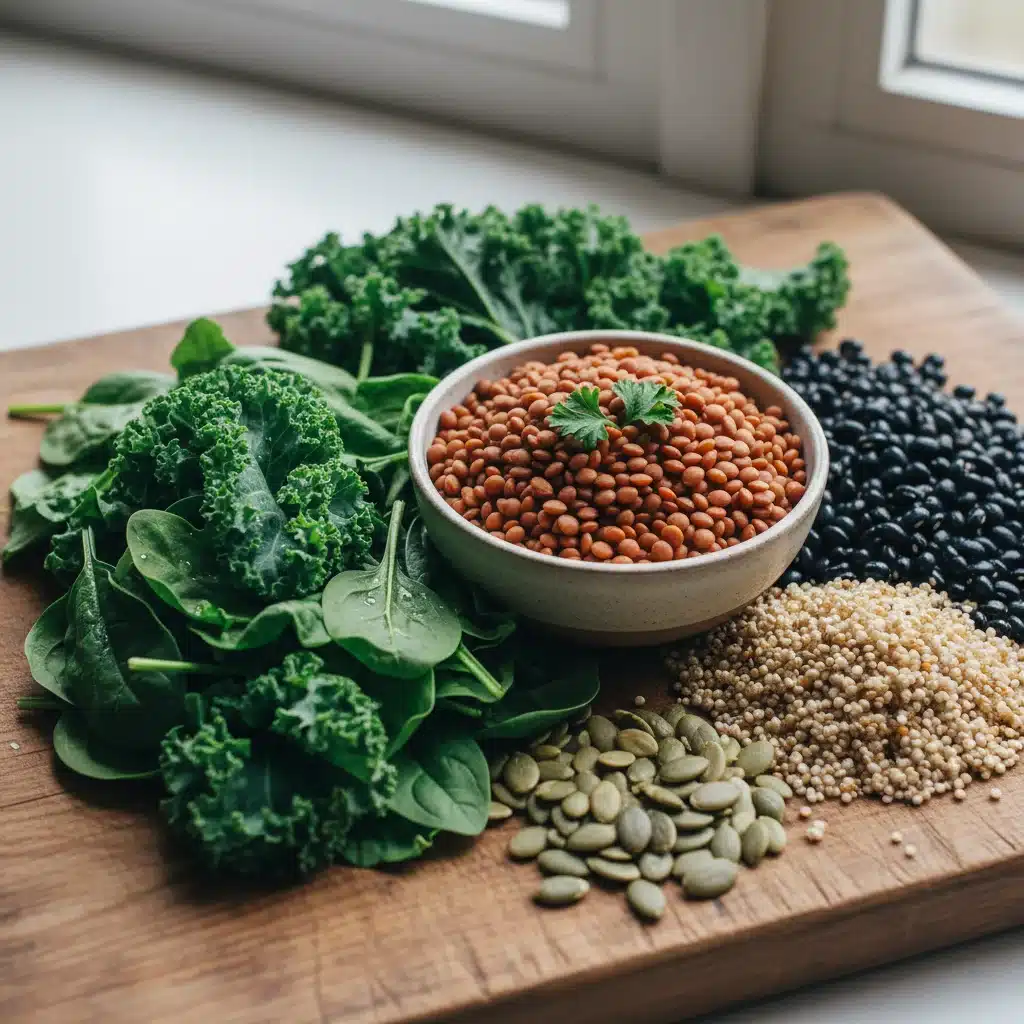
- Rich Plant Sources: Excellent sources of non-heme iron include lentils, beans (black beans, kidney beans, chickpeas), tofu, tempeh, spinach, kale, fortified cereals, pumpkin seeds, sesame seeds, cashews, and dried fruits like apricots and raisins.
- Vitamin C Synergy: This is a game-changer for iron absorption! Consuming vitamin C-rich foods alongside iron-rich plant foods significantly enhances non-heme iron absorption. Think bell peppers, citrus fruits, strawberries, broccoli, and tomatoes. For example, add bell peppers to your lentil soup, or enjoy an orange after a spinach-rich salad.
- Avoid Inhibitors: Certain compounds can inhibit iron absorption, such as phytates (found in grains and legumes, though soaking and sprouting can reduce them) and tannins (in tea and coffee). While these shouldn’t be entirely avoided, it’s wise to consume tea and coffee between meals rather than with iron-rich foods.
- Cooking in Cast Iron: Cooking in cast iron pots and pans can actually leach small amounts of iron into your food, providing a supplemental boost.
Insider Tip for 2026: Don’t just focus on single foods. Think about meal combinations. A "power bowl" with quinoa, black beans, spinach, and bell peppers dressed with a lemon-tahini dressing is an iron and Vitamin C powerhouse. For children, blend spinach into fruit smoothies or add fortified cereals to their breakfast rotation.
3. Omega-3 Fatty Acids: Essential for Brain and Heart Health
Omega-3 fatty acids, particularly EPA (eicosapentaenoic acid) and DHA (docosahexaenoic acid), are crucial for brain development, cognitive function, heart health, and reducing inflammation. While fatty fish are well-known sources, plant-based diets can also provide these essential fats, albeit with some strategic planning.
Why are Omega-3s So Important?
DHA is a major structural component of the brain and retina, making it vital for vision and neurological development, especially in infants and young children. EPA contributes to heart health and has anti-inflammatory properties. Adequate intake of omega-3s can support mental health, reduce the risk of cardiovascular disease, and contribute to overall well-being. For plant-based families, ensuring sufficient intake of these plant-based nutrients is key.
Sources and Strategies for U.S. Families in 2026
While ALA (alpha-linolenic acid) is abundant in many plant foods, the body’s conversion of ALA to the longer-chain EPA and DHA is inefficient. Therefore, direct sources of EPA and DHA are beneficial:
- ALA-Rich Foods: Excellent sources of ALA include flaxseeds (ground), chia seeds, hemp seeds, and walnuts. These should be consumed regularly. Aim for 1-2 tablespoons of ground flax or chia seeds daily.
- Algal Oil Supplements: This is the most direct and reliable plant-based source of pre-formed EPA and DHA. Algae are where fish get their omega-3s from, making algal oil a sustainable and vegan-friendly option. Many brands offer algal oil supplements specifically formulated for adults and children.
- Fortified Foods: Some plant-based yogurts, milks, and cereals are now fortified with algal oil-derived omega-3s. Check labels for "DHA" or "EPA."
Insider Tip for 2026: Store flaxseeds and flaxseed oil in the refrigerator to prevent rancidity, as omega-3s are sensitive to light and heat. For families, consider a daily algal oil supplement to cover all bases, especially for children whose brains are rapidly developing.
4. Calcium: Building Strong Bones, Plant-Based Style
Calcium is fundamental for strong bones and teeth, muscle function, nerve transmission, and hormone secretion. While dairy products are often highlighted as primary sources, the plant kingdom offers a wealth of calcium-rich foods that can easily meet family needs.
Why is Calcium So Important?
Throughout life, calcium plays a critical role. During childhood and adolescence, it’s essential for peak bone mass development. In adulthood, it helps maintain bone density and prevent osteoporosis. Beyond bones, calcium is involved in blood clotting, muscle contraction, and maintaining a regular heartbeat. Ensuring adequate intake of this plant-based nutrient is crucial for all ages.
Sources and Strategies for U.S. Families in 2026
A diverse plant-based diet can provide plenty of calcium:
- Fortified Plant Milks and Yogurts: These are often excellent sources, providing comparable amounts of calcium to dairy products. Look for varieties fortified with calcium carbonate or tricalcium phosphate.
- Dark Leafy Greens: Kale, collard greens, turnip greens, and bok choy are surprisingly rich in bioavailable calcium. While spinach also contains calcium, its high oxalate content can inhibit absorption.
- Tofu (Calcium-Set): Tofu that has been set with calcium sulfate is a fantastic source. Check the ingredient list.
- Legumes and Seeds: White beans, black beans, chickpeas, and sesame seeds (especially tahini) contribute significant amounts of calcium.
- Fortified Orange Juice: Some brands offer calcium-fortified orange juice, which can be a convenient option.
Insider Tip for 2026: Aim for multiple calcium sources throughout the day rather than relying on one or two. Combine fortified plant milk in a smoothie with some kale, have a tofu scramble for breakfast, and a bean salad for lunch. Vitamin D (discussed next) is also essential for calcium absorption, so ensure both are adequately covered.
5. Vitamin D: The Sunshine Vitamin for Plant-Based Health
Often referred to as the "sunshine vitamin," Vitamin D is unique because our bodies can produce it when exposed to sunlight. However, factors like geography, season, skin tone, and lifestyle often limit sun exposure, making dietary sources and supplementation crucial, especially for plant-based families.
Why is Vitamin D So Important?
Vitamin D is vital for calcium absorption and bone health. It also plays a significant role in immune function, cell growth, and reducing inflammation. Deficiency can lead to weakened bones (rickets in children, osteomalacia in adults), increased risk of infections, and potentially other chronic diseases. It is a critical plant-based nutrient for overall health.
Sources and Strategies for U.S. Families in 2026
While sun exposure is a natural source, it’s often unreliable. Here’s how plant-based families can ensure adequate Vitamin D:
- Sun Exposure: If possible, aim for 10-30 minutes of midday sun exposure several times a week, without sunscreen, for light-skinned individuals. Darker skin tones require more exposure. Be mindful of skin cancer risks and avoid sunburn.
- Fortified Foods: Many plant milks, cereals, and orange juices are fortified with Vitamin D. Ensure they contain Vitamin D2 (ergocalciferol) or vegan-friendly Vitamin D3 (cholecalciferol, often derived from lichen).
- Mushrooms: Some mushrooms, particularly those exposed to UV light, can contain Vitamin D2. Look for "UV-treated" mushrooms.
- Supplements: This is often the most reliable way to ensure adequate Vitamin D intake, especially in regions with limited sunlight. Vegan Vitamin D3 supplements derived from lichen are widely available and generally considered more effective than D2.
Insider Tip for 2026: A simple blood test can determine your family’s Vitamin D levels. This allows for precise supplementation if needed. Many doctors recommend Vitamin D supplementation for most people, regardless of diet, due to widespread deficiency, so it’s a good practice for plant-based families to discuss with their healthcare provider.

Beyond the Big Five: Other Important Considerations
While Vitamin B12, Iron, Omega-3s, Calcium, and Vitamin D are the "Big Five" plant-based nutrients that often require the most attention, a holistic approach to plant-based eating also involves considering other important elements:
Protein: The Building Block
The myth that plant-based diets lack protein has largely been debunked. A wide variety of plant foods are excellent protein sources, and by consuming a diverse range throughout the day, families can easily meet their protein needs. Good sources include:
- Legumes: Lentils, beans (black, kidney, pinto, garbanzo), peas
- Soy Products: Tofu, tempeh, edamame, soy milk
- Grains: Quinoa, oats, brown rice, whole wheat bread
- Nuts and Seeds: Almonds, walnuts, cashews, pumpkin seeds, sunflower seeds, chia seeds, hemp seeds
- Vegetables: Even some vegetables like broccoli and spinach contribute protein.
Strategy: Combine different protein sources in meals (e.g., rice and beans, hummus and whole-wheat pita) to ensure a complete amino acid profile throughout the day. For active family members or growing children, ensure protein is present at every meal.
Iodine: Thyroid Health
Iodine is crucial for thyroid hormone production, which regulates metabolism, growth, and development. While seafood is a primary source, plant-based options exist:
- Iodized Salt: The most common and reliable source for many.
- Seaweed: Nori, dulse, kombu, and wakame are rich in iodine, but consumption should be moderate as excessive intake can also be problematic.
- Some Fortified Foods: Check labels, as some plant milks or breads may be fortified.
Strategy: Using iodized salt in cooking is a simple way to ensure adequate intake. If consuming seaweed, be mindful of portion sizes due to varying iodine content.
Zinc: Immunity and Growth
Zinc is vital for immune function, wound healing, DNA synthesis, and cell division. While phytates in plant foods can slightly inhibit absorption, a varied diet can provide sufficient zinc:
- Legumes: Lentils, chickpeas, black beans.
- Nuts and Seeds: Pumpkin seeds, cashews, hemp seeds.
- Whole Grains: Oats, quinoa, brown rice.
- Tofu and Tempeh.
Strategy: Soaking, sprouting, and fermenting legumes and grains can improve zinc bioavailability. Combining zinc-rich foods with protein can also enhance absorption.
The Future of Plant-Based Eating for U.S. Families in 2026
The plant-based movement in the U.S. is not just a passing fad; it’s a fundamental shift in how we approach food, health, and sustainability. In 2026, the market offers an unprecedented array of plant-based options, making it easier than ever for families to embrace this lifestyle. From innovative meat and dairy alternatives that are nutritionally robust to a greater understanding of whole food plant sources, the resources available are vast.
However, convenience should not overshadow the importance of nutritional literacy. Relying solely on processed plant-based foods, while sometimes helpful, may not always provide the full spectrum of essential plant-based nutrients. The emphasis should always be on a varied diet rich in whole, unprocessed plant foods – fruits, vegetables, legumes, whole grains, nuts, and seeds – supplemented intelligently where necessary.
Educating your family, especially children, about where their food comes from and the importance of these plant-based nutrients can foster a healthier relationship with food. Involve them in meal planning, grocery shopping, and cooking. This not only ensures they get the nutrients they need but also empowers them to make informed food choices as they grow.
Regular check-ups with a healthcare provider who is knowledgeable about plant-based nutrition are also highly recommended. They can help monitor nutrient levels, address any specific concerns, and provide personalized advice tailored to your family’s unique needs and health goals. Many dietitians now specialize in plant-based nutrition, offering invaluable guidance.
Conclusion: Thriving on Plant-Based Nutrients in 2026
Embracing a plant-based diet for your U.S. family in 2026 is an exciting and rewarding journey. By focusing on the five essential plant-based nutrients – Vitamin B12, Iron, Omega-3 Fatty Acids, Calcium, and Vitamin D – and incorporating a diverse range of whole plant foods, you can ensure that every family member thrives. Remember, it’s not just about what you remove from your diet, but what incredible, nutrient-dense plant foods you add.
With careful planning, smart food choices, and perhaps a few well-chosen supplements, your family can enjoy all the health benefits that a vibrant, plant-powered lifestyle has to offer. The future of food is here, and it’s delicious, nutritious, and sustainable. Here’s to a healthy and thriving 2026 for your plant-based family!