Mastering Digital Boundaries: 5 Essential Strategies for Caregivers in 2026 to Reclaim 10 Hours Weekly
Anúncios
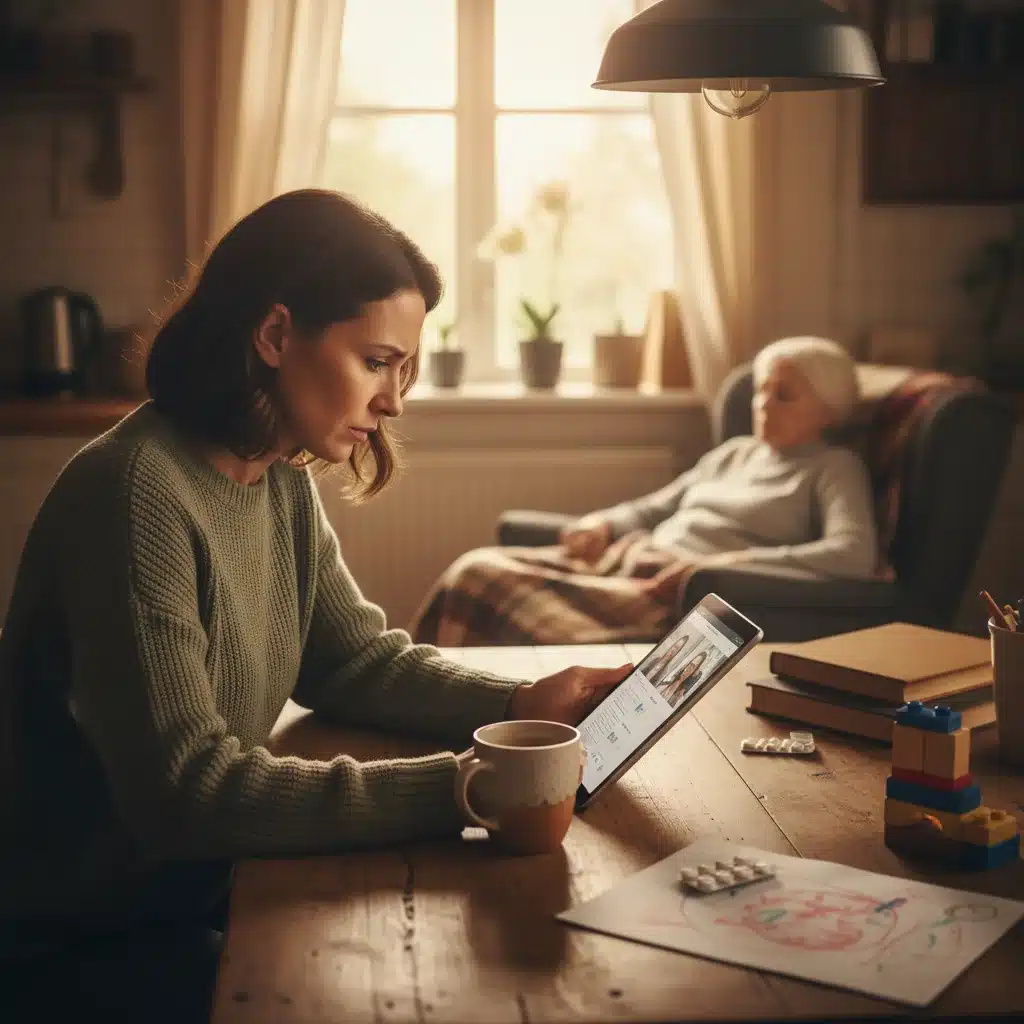
In the demanding world of caregiving, time is an invaluable commodity. The year 2026 brings with it an ever-increasing digital landscape, one that, while offering convenience, can also subtly erode precious hours from a caregiver’s already packed schedule. From managing appointments via apps to coordinating care teams through online platforms, and from seeking support in virtual communities to simply unwinding with a social media scroll, digital interactions are ubiquitous. However, without conscious effort, these digital demands can lead to burnout, reduced personal time, and even diminished quality of care. This article delves into the critical importance of mastering caregiver digital boundaries in 2026, offering five essential, actionable strategies designed to help caregivers reclaim up to 10 hours weekly, fostering greater well-being and more effective caregiving.
Anúncios
The role of a caregiver is inherently selfless, often requiring immense emotional, physical, and mental energy. In this context, the digital realm, with its constant notifications, endless information streams, and pervasive connectivity, can become a silent thief of time and peace. Many caregivers find themselves inadvertently spending hours on their devices, not always on tasks directly related to care, but often caught in the periphery – responding to non-urgent messages, browsing for solutions, or simply escaping momentarily. This digital creep, if left unchecked, can lead to increased stress, sleep deprivation, and a profound sense of being overwhelmed.
Understanding and implementing effective caregiver digital boundaries isn’t about rejecting technology; it’s about harnessing it purposefully and intentionally. It’s about creating a harmonious balance where digital tools serve the caregiver, rather than the other way around. By strategically segmenting digital time, prioritizing interactions, and cultivating mindful usage, caregivers can transform their relationship with technology, turning a potential source of stress into a powerful ally. The strategies outlined below are tailored for the modern caregiver navigating the complexities of 2026, aiming to provide practical, sustainable methods for reclaiming not just time, but also mental clarity and personal autonomy.
Anúncios
Let’s explore these five essential strategies to help caregivers establish robust caregiver digital boundaries and ultimately, reclaim valuable hours each week for themselves and their loved ones.
1. Implement Dedicated Digital Blocks: The Power of Scheduled Connectivity
One of the most insidious ways digital demands consume time is through constant, unscheduled interaction. Notifications ping, emails arrive, and social media beckons, creating an environment of perpetual responsiveness. For caregivers, this can mean fragmented attention, interrupted tasks, and a feeling of always being ‘on.’ The first crucial strategy for establishing strong caregiver digital boundaries is to implement dedicated digital blocks.
This approach involves designating specific, non-negotiable times during the day when you engage with digital devices for care-related tasks, communication, and even personal browsing. Outside of these blocks, digital interaction is minimized or entirely avoided, especially for non-urgent matters. For instance, a caregiver might decide that all non-urgent emails and messages will be checked and responded to between 9:00 AM and 10:00 AM, and again between 4:00 PM and 5:00 PM. During these blocks, you can focus intently on digital tasks without the pressure of needing to respond immediately at other times.
Practical Steps for Dedicated Digital Blocks:
- Audit Your Digital Habits: For a few days, track how often you pick up your phone or check your computer outside of specific tasks. Identify patterns of reactive digital use.
- Identify Peak Caregiving Hours: Determine when your caregiving responsibilities are most intensive. These are prime times to enforce digital quiet zones.
- Schedule Your Blocks: Use a calendar (digital or physical) to block out 2-3 specific times during the day for digital engagement. Start with shorter blocks (e.g., 30-45 minutes) and extend as you get comfortable.
- Communicate Your Availability: Inform family, friends, and care team members about your new communication schedule. You might say, “I’ll be checking messages and emails during my digital blocks at 9 AM and 4 PM. For urgent matters, please call.”
- Utilize ‘Do Not Disturb’ Modes: Turn on ‘Do Not Disturb’ or ‘Focus’ modes on your devices during non-digital block times. Configure exceptions for truly urgent calls from essential contacts.
- Batch Tasks: During your digital blocks, batch similar tasks. Respond to all emails, then all text messages, then check relevant online support groups. This improves efficiency and reduces context-switching.
By consciously scheduling digital interactions, caregivers regain control over their time and attention. This strategy directly addresses the ‘always-on’ culture, allowing for periods of uninterrupted focus on caregiving, personal activities, or simply quiet reflection. Reclaiming even an hour a day through this method translates to seven hours a week, a significant gain in personal time and reduced digital fatigue.
2. Optimize Digital Communication: Streamlining Information Flow
Communication is the lifeblood of effective caregiving, but it can also be a major time sink if not managed efficiently. In 2026, caregivers are often juggling multiple communication channels: text messages, emails, WhatsApp groups, dedicated caregiving apps, and social media direct messages. This fragmented approach can lead to missed information, redundant updates, and constant interruptions. Optimizing digital communication is a cornerstone of strong caregiver digital boundaries.
The goal here is to consolidate and streamline. Instead of allowing information to scatter across various platforms, establish preferred channels for different types of communication. For example, urgent medical updates might go through a dedicated care coordination app or a direct phone call, while general family updates could be limited to a single WhatsApp group or a daily email digest.
Practical Steps for Optimized Digital Communication:
- Designate Primary Channels: Choose one or two primary communication channels for care-related matters. For example, a shared family calendar for appointments and a specific messaging app for daily updates.
- Educate Your Network: Clearly communicate your preferred channels to family members, friends, and professional care providers. Explain *why* you’re doing this – to ensure critical information isn’t missed and to manage your time effectively.
- Leverage Caregiving Apps: Explore dedicated caregiving apps (e.g., CaringBridge, CareZone, Lotsa Helping Hands). These platforms are designed to centralize schedules, medication lists, updates, and communication, reducing the need for multiple disparate conversations.
- Set Expectations for Response Times: Politely inform others about your typical response window. “I check messages twice a day, so please allow up to 12 hours for a non-urgent response.” This manages expectations and reduces pressure to be constantly available.
- Use Templates for Common Responses: For frequently asked questions or routine updates (e.g., daily status reports), create simple text or email templates. This saves significant time compared to typing out unique responses each time.
- Schedule Group Updates: Instead of individual updates to multiple people, schedule a weekly or bi-weekly group email or video call to share general information. This is especially useful for extended family or friends who want to stay informed.
By consolidating and structuring communication, caregivers can drastically reduce the number of digital interactions they need to manage daily. This not only saves time but also reduces cognitive load, allowing for clearer focus and less stress. This strategy alone can easily free up several hours a week by eliminating redundant messages and constant context-switching.
3. Cultivate Digital-Free Zones and Activities: Reclaiming Physical Presence
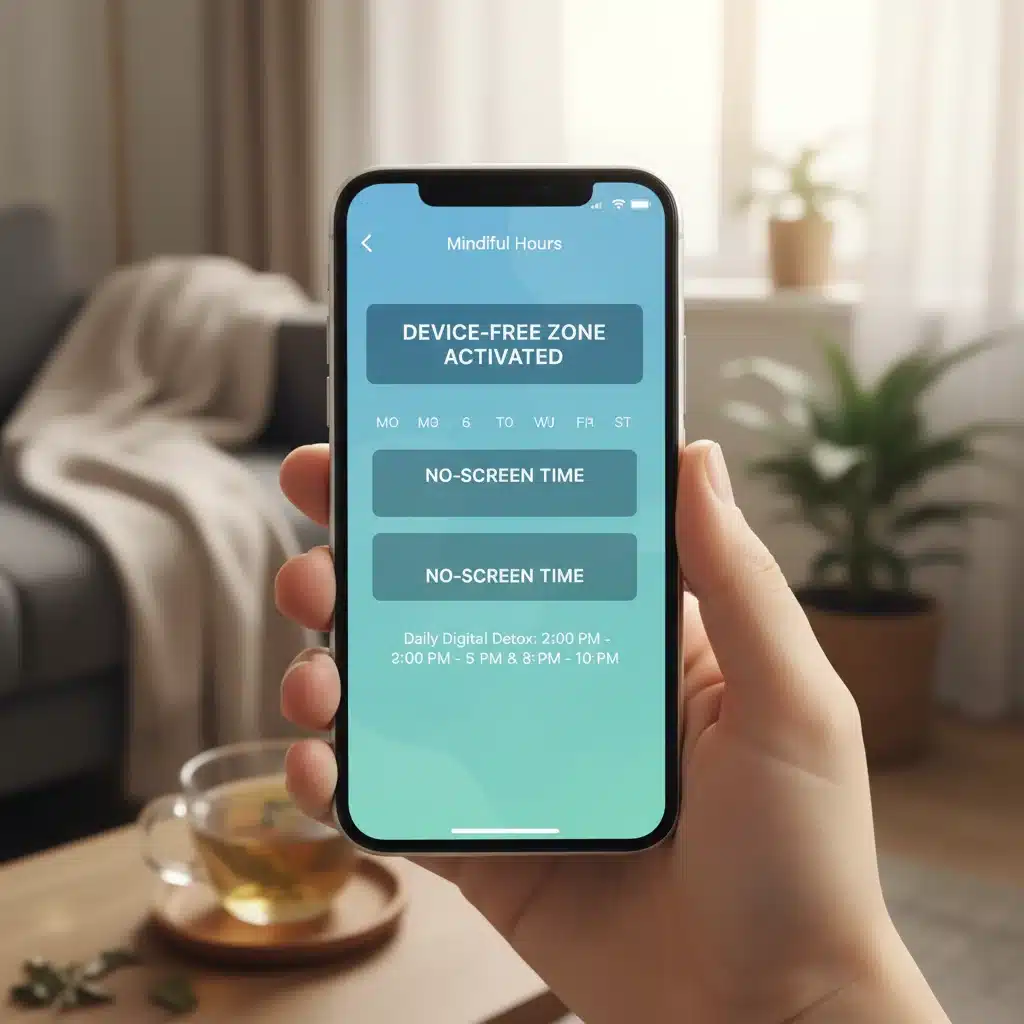
The constant presence of digital devices blurs the lines between work, personal life, and even rest. For caregivers, who often have little distinction between these realms, creating deliberate digital-free zones and engaging in digital-free activities is essential for mental rejuvenation and setting strong caregiver digital boundaries. This strategy is about intentionally stepping away from screens to fully engage with the physical world and foster genuine connections.
Digital-free zones are specific physical locations or times where devices are explicitly not allowed. This could be the dining table during meals, the bedroom after a certain hour, or even specific periods during a walk or while engaging in a hobby. The purpose is to create sanctuaries from digital noise, allowing for uninterrupted focus, rest, and human interaction.
Practical Steps for Digital-Free Zones and Activities:
- Establish Device Curfews: Set a specific time each evening (e.g., 8:00 PM) after which all non-essential devices are put away. This promotes better sleep hygiene and allows for winding down.
- Designate Tech-Free Spaces: Make certain areas of your home (e.g., the bedroom, the dining table) permanently tech-free zones. Place a charging station in a common area outside these zones.
- Plan Digital-Free Activities: Intentionally schedule activities that do not involve screens. This could be reading a physical book, going for a walk, gardening, listening to music, engaging in a craft, or simply having a conversation with your care recipient without device interruptions.
- Practice Mindful Meals: Make mealtimes a sacred digital-free zone. Focus on the food, conversation, and presence of others.
- Engage in ‘Offline’ Self-Care: Prioritize self-care activities that are inherently offline – a warm bath, meditation, journaling, or a short nap. These moments are crucial for preventing caregiver burnout.
- Lead by Example: If you are caring for children or other family members, your commitment to digital-free zones will set a powerful example and encourage similar habits in others.
By consciously creating and adhering to digital-free zones and activities, caregivers can experience a profound sense of calm and presence. This detachment from the digital world allows the mind to rest, process, and rejuvenate, directly combating digital fatigue and enhancing overall well-being. Reclaiming even 30 minutes before bed and during meals can add up to significant time and improved mental health over a week.
4. Leverage Technology for Time-Saving, Not Time-Wasting: Smart Tool Utilization
The paradox of digital boundaries is that technology itself can be a powerful ally in reclaiming time, provided it’s used intentionally. The key is to leverage smart tools and automation to *reduce* digital burden, rather than adding to it. This strategy focuses on using technology strategically to support caregiver digital boundaries by streamlining tasks and minimizing manual effort.
In 2026, there’s a plethora of apps and services designed to simplify life. For caregivers, this means identifying tools that automate repetitive tasks, centralize information, or provide quick access to essential resources, thereby freeing up mental and physical time previously spent on administrative overhead or information searching.
Practical Steps for Smart Tool Utilization:
- Automate Medication Reminders: Use smart pill dispensers or medication reminder apps to ensure timely administration and reduce mental load.
- Online Grocery and Meal Delivery: Minimize time spent on shopping by utilizing online grocery delivery services or subscribing to meal kit services.
- Telehealth Appointments: Whenever possible, opt for virtual doctor’s appointments for yourself or your care recipient. This saves travel time, waiting room time, and reduces logistical complexities.
- Digital Document Management: Scan and organize important medical documents, insurance papers, and legal forms digitally. Use cloud storage for easy, secure access and to reduce physical clutter.
- Smart Home Devices for Monitoring: Consider smart home devices (e.g., smart cameras, fall detection sensors, smart doorbells) that can provide peace of mind and remote monitoring without requiring constant physical presence, freeing up time for other tasks.
- Subscription Services for Essentials: Set up subscriptions for recurring household or care supplies (e.g., diapers, incontinence products, nutritional supplements) to automate replenishment.
- Utilize Voice Assistants: Use voice assistants (like Alexa or Google Assistant) for quick information retrieval, setting timers, making hands-free calls, or adding items to a shopping list, reducing the need to pick up a phone.
- Online Support Groups: While not a ‘tool’ in the traditional sense, carefully chosen online support groups can provide immense emotional relief and practical advice. Set specific times to engage with them, as per Strategy 1.
By thoughtfully integrating these technological solutions, caregivers can delegate digital tasks to technology, freeing up their own time and mental energy. This isn’t about more screen time, but smarter screen time – using digital tools as efficient assistants. The cumulative time savings from these optimizations can be substantial, easily contributing to reclaiming several hours per week.
5. Prioritize Self-Care and Digital Detox: Non-Negotiable Time for You
Perhaps the most critical, yet often overlooked, strategy for establishing strong caregiver digital boundaries is the unwavering commitment to self-care, which explicitly includes regular digital detox periods. Caregivers are prone to burnout, and the constant demands of both caregiving and the digital world only exacerbate this risk. Reclaiming time isn’t just about efficiency; it’s about creating space for personal well-being.
A digital detox is a period of time when you intentionally disconnect from all digital devices. This can range from a few hours each day to a full day once a week, or even longer periods if feasible. The purpose is to reset your relationship with technology, reduce mental fatigue, and fully engage with activities that nourish your soul and body.
Practical Steps for Prioritizing Self-Care and Digital Detox:
- Schedule ‘Me Time’ First: Just as you schedule care appointments, schedule non-negotiable blocks for your self-care. Treat these as sacred appointments that cannot be easily moved or canceled.
- Implement Regular Mini-Detoxes: Start small. Commit to 15-30 minutes of complete digital disconnection at least once or twice a day. Use this time for deep breathing, stretching, or simply staring out the window.
- Plan a Weekly Digital Sabbath: If possible, aim for a full 24-hour period once a week where you completely unplug from non-essential digital devices. Inform your support network of this ‘offline’ day.
- Engage in Hobbies: Reconnect with old hobbies or explore new ones that are inherently analog – painting, knitting, playing a musical instrument, gardening, or cooking.
- Seek Nature: Spend time outdoors. A walk in a park, sitting by a window with a view of nature, or simply feeling the sun on your face can be incredibly restorative and is naturally digital-free.
- Connect In-Person: Prioritize face-to-face interactions with friends or family members who are not part of your immediate caregiving circle. These connections provide different perspectives and emotional support.
- Journaling: Use a physical journal to reflect on your thoughts, feelings, and experiences. This can be a powerful tool for processing emotions and gaining clarity, without the distractions of a screen.
By making self-care and digital detox a non-negotiable part of your routine, you are not only protecting your own well-being but also enhancing your capacity to provide compassionate and effective care. A rested, less stressed caregiver is a better caregiver. The cumulative effect of these self-care moments and detox periods can easily reclaim significant mental and physical energy, translating into many hours of improved quality of life each week.

The Cumulative Impact: Reclaiming Your Time and Well-being
The five strategies for mastering caregiver digital boundaries in 2026 – implementing dedicated digital blocks, optimizing digital communication, cultivating digital-free zones, leveraging technology for time-saving, and prioritizing self-care and digital detox – are not isolated tips. They are interconnected pillars designed to create a holistic framework for a more balanced and sustainable caregiving journey.
Consider the cumulative effect: if implementing digital blocks saves 1-2 hours daily, optimizing communication saves another 30 minutes to an hour, digital-free zones free up an hour of mental space, smart tools shave off another hour of administrative tasks, and dedicated self-care/detox adds 1-2 hours of restorative time. Suddenly, reclaiming 10 hours a week is not just an aspiration but a tangible, achievable reality. This reclaimed time isn’t just about ‘doing nothing’; it’s about creating space for rest, hobbies, personal relationships, or simply a moment of peace – all of which are vital for preventing burnout and sustaining the demanding role of a caregiver.
Moreover, establishing clear caregiver digital boundaries doesn’t just benefit the caregiver; it indirectly benefits the care recipient. A caregiver who is well-rested, less stressed, and more present is better equipped to provide high-quality, compassionate care. It also sets a healthy example for other family members and care team members, fostering a more mindful approach to technology for everyone involved.
Conclusion: A Sustainable Future for Caregiving in a Digital Age
As we navigate 2026 and beyond, the digital world will only become more integrated into our lives. For caregivers, this presents both opportunities and challenges. By proactively implementing these five essential strategies, caregivers can transform their relationship with technology, moving from a state of reactive digital overwhelm to one of intentional, empowered digital mastery. Mastering caregiver digital boundaries is not a luxury; it is a necessity for long-term well-being and sustainable caregiving.
The journey to reclaiming 10 hours weekly will require conscious effort, consistency, and perhaps some initial adjustments from your support network. However, the investment in setting these boundaries will yield invaluable returns: reduced stress, improved mental clarity, more personal time, and ultimately, a more fulfilling and sustainable caregiving experience. Embrace these strategies, prioritize your well-being, and step into a future where technology serves you, allowing you to thrive in your vital role.