Sleep Optimization for Busy Parents: Gain 1 Hour More Rest

Anúncios
Busy parents can effectively achieve better rest by adopting strategic sleep optimization techniques, ultimately gaining an extra hour of sleep each night to improve their well-being and family dynamics.
Anúncios
For many parents, the idea of getting enough sleep feels like an unattainable luxury. The demands of work, childcare, household chores, and personal responsibilities often leave little room for adequate rest. However, prioritizing sleep optimization for busy parents is not just about feeling less tired; it’s about enhancing mental clarity, emotional resilience, and overall physical health. This article explores seven proven strategies designed to help you reclaim at least an hour of precious sleep each night, transforming your daily life and empowering you to be a more effective, present parent.
Anúncios
Establishing a Consistent Sleep Schedule
One of the most powerful tools for improving sleep quality is consistency. Our bodies thrive on routine, and establishing a regular sleep-wake cycle helps regulate our internal body clock, known as the circadian rhythm. This rhythm dictates when we feel awake and when we feel sleepy, making it a crucial component of effective sleep optimization.
Even on weekends, try to stick to your chosen bedtime and wake-up time. While it might be tempting to sleep in after a long week, doing so can disrupt your circadian rhythm, making it harder to fall asleep later. Small deviations are acceptable, but significant shifts can undo the progress you’ve made during the week.
The Power of Routine
Creating a consistent sleep schedule sends clear signals to your body, training it to anticipate sleep at a certain time. This can significantly reduce the amount of time it takes to fall asleep and improve the depth of your rest. For busy parents, this means carving out non-negotiable times for bed and waking, even if it feels challenging initially.
- Choose a realistic bedtime that allows for 7-9 hours of sleep.
- Stick to your wake-up time daily, including days off.
- Adjust your schedule gradually if major changes are needed.
- Recognize that consistency builds over time, so be patient.
Ultimately, a consistent sleep schedule forms the bedrock of good sleep hygiene. It’s the first and most vital step towards gaining that extra hour of rest, setting the stage for all other strategies to be more effective. By prioritizing this fundamental aspect, parents can begin to feel more in control of their sleep and their overall well-being.
Optimizing Your Sleep Environment
Your bedroom should be a sanctuary dedicated to rest. The environment in which you sleep plays a significant role in the quality and duration of your rest. Busy parents often overlook this aspect, but even small changes can yield substantial improvements in sleep optimization.
Consider your bedroom from the perspective of an ideal sleep space. Is it dark enough? Is it quiet? Is the temperature comfortable? Addressing these factors can create an inviting atmosphere that promotes deeper, more restorative sleep, helping you maximize every minute you spend in bed.
Creating a Sleep-Friendly Sanctuary
Small adjustments can make a big difference. Blocking out light, minimizing noise, and controlling the temperature are key elements of an optimized sleep environment. These changes signal to your body that it’s time to wind down and prepare for sleep.
- Darkness: Use blackout curtains or an eye mask to eliminate light. Even small amounts of light can disrupt melatonin production.
- Silence: Employ earplugs, a white noise machine, or a fan to mask disruptive sounds.
- Temperature: Keep your bedroom cool, ideally between 60-67 degrees Fahrenheit (15-19 degrees Celsius), as this is optimal for sleep.
- Comfort: Invest in a comfortable mattress and pillows that support your body properly.
By consciously curating your sleep environment, you create an optimal setting that encourages faster sleep onset and fewer awakenings throughout the night. This strategic approach ensures that the time you do have for sleep is as effective and rejuvenating as possible, ultimately contributing to better sleep optimization.
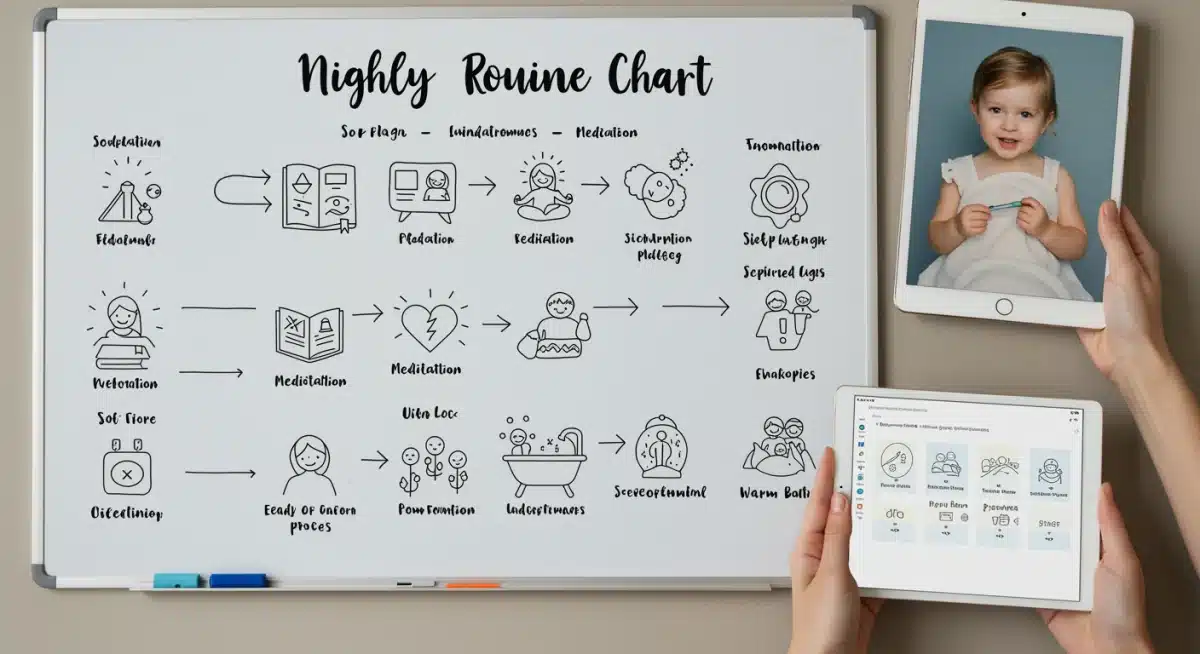
Implementing a Relaxing Bedtime Routine
Just as children benefit from a consistent bedtime routine, parents do too. A pre-sleep ritual signals to your body and mind that it’s time to wind down, transitioning from the day’s demands to a state of relaxation conducive to sleep. This is a critical element of effective sleep optimization for busy parents.
This routine doesn’t have to be long or elaborate. Even 20-30 minutes of dedicated winding-down activities can significantly improve your ability to fall asleep quickly and stay asleep. The key is consistency and choosing activities that genuinely help you relax.
Crafting Your Pre-Sleep Ritual
Your bedtime routine should be personalized to your preferences and what helps you de-stress. Avoid activities that stimulate your mind or expose you to bright light, especially blue light from screens. The goal is to gradually lower your heart rate and calm your thoughts.
- Warm Bath or Shower: The drop in body temperature after a warm bath can induce sleepiness.
- Reading a Book: Choose a physical book over an e-reader or tablet to avoid blue light exposure.
- Gentle Stretching or Yoga: Releases tension and promotes relaxation without being too stimulating.
- Mindful Meditation: Focusing on your breath can quiet a busy mind.
Adopting a relaxing bedtime routine is a proactive step towards better sleep. It creates a mental and physical bridge between your active day and restful night, making it easier to drift off and achieve deeper sleep. This dedicated wind-down period is essential for optimizing your sleep patterns.
Strategic Napping and Power Naps
While a consistent nighttime sleep schedule is paramount, strategic napping can be a valuable tool for busy parents to combat sleep deprivation and improve daytime alertness without disrupting nighttime sleep. However, the art of napping requires precision to truly aid in sleep optimization.
Not all naps are created equal. A poorly timed or excessively long nap can leave you feeling groggy or interfere with your ability to fall asleep later that night. The goal is to use naps as a supplement, not a replacement, for your primary sleep, ensuring they contribute positively to your overall rest.
The Art of the Power Nap
For busy parents, the power nap is often the most effective strategy. These short bursts of sleep can significantly boost alertness, improve cognitive performance, and reduce stress without pushing you into deep sleep cycles that cause grogginess upon waking.
- Duration: Aim for 20-30 minutes. This length provides restorative benefits without entering deeper sleep stages.
- Timing: Nap in the early afternoon, typically between 1 PM and 3 PM. Napping too late can make it harder to fall asleep at your regular bedtime.
- Environment: Find a quiet, dark place where you won’t be disturbed. Even a reclined chair can work if a bed isn’t an option.
- Consistency: If possible, try to nap at a similar time each day to further regulate your body’s rhythm.
Strategic napping can be a game-changer for parents struggling with chronic tiredness. By incorporating short, well-timed naps, you can effectively manage fatigue throughout the day, ensuring you remain energized and focused. This intelligent use of daytime rest is a key component of holistic sleep optimization.
Managing Screen Time and Blue Light Exposure
In our digitally connected world, managing screen time, especially before bed, is a significant factor in sleep quality. The blue light emitted from smartphones, tablets, computers, and even some televisions can severely disrupt your body’s natural melatonin production, making it harder to fall asleep. This is a common pitfall for busy parents trying to squeeze in personal time after the kids are asleep.
Understanding the impact of blue light and implementing strategies to mitigate its effects is crucial for effective sleep optimization. Your body needs clear signals that it’s nighttime to initiate the sleep process, and bright screens send the opposite message.
Minimizing Digital Disturbance
Creating a digital detox period before bed is one of the most impactful changes you can make. This allows your brain to wind down naturally and melatonin levels to rise as they should, preparing your body for restful sleep. It requires discipline, but the benefits are substantial.
- Set a Digital Curfew: Aim to stop using all screens at least 60-90 minutes before your planned bedtime.
- Blue Light Filters: If you must use screens, activate blue light filters on your devices (often called Night Shift or Eye Comfort Shield) or wear blue light-blocking glasses.
- Avoid Bright Overhead Lights: Dim your lights in the evening to mimic natural dusk, further signaling to your body that it’s time to prepare for sleep.
- Relocate Devices: Keep your phone and other devices out of the bedroom to avoid the temptation of late-night scrolling or checking notifications.
By consciously reducing your exposure to blue light and digital stimulation before bed, you allow your body’s natural sleep mechanisms to function optimally. This deliberate step towards a screen-free wind-down period is a cornerstone of modern sleep optimization, particularly vital for parents seeking an extra hour of rest.
Incorporating Stress Reduction Techniques
Stress is a pervasive enemy of sleep, particularly for busy parents juggling myriad responsibilities. A racing mind filled with to-do lists, worries about children, or work pressures can make falling asleep a monumental task. Addressing stress directly is therefore an indispensable part of any comprehensive sleep optimization strategy.
Finding effective ways to manage and reduce daily stress can significantly improve your ability to relax at night, leading to faster sleep onset and more consolidated sleep. It’s about breaking the cycle where stress prevents sleep, and lack of sleep exacerbates stress.
Daily Practices for a Calmer Mind
Integrating stress-reducing activities into your daily routine, not just before bed, can have a profound impact on your overall well-being and sleep quality. These practices help to lower cortisol levels and promote a sense of calm throughout the day.
- Mindfulness and Meditation: Even 5-10 minutes a day can train your mind to be more present and less anxious.
- Journaling: Writing down your thoughts and worries before bed can help clear your mind.
- Deep Breathing Exercises: Simple breathwork can calm your nervous system quickly.
- Regular Physical Activity: Exercise is a powerful stress reliever, but avoid intense workouts close to bedtime.
By proactively managing stress, parents can create a more conducive internal environment for sleep. This isn’t just about getting an extra hour of rest; it’s about improving the quality of that rest and fostering a greater sense of peace. Stress reduction is a fundamental pillar of successful sleep optimization.
Prioritizing Sleep Through Time Management
Ultimately, gaining an extra hour of sleep often boils down to effective time management. For busy parents, time is a precious commodity, and finding an extra 60 minutes for rest requires intentional planning and, sometimes, difficult choices. Prioritizing sleep means viewing it not as a luxury, but as a non-negotiable component of your health and ability to function effectively.
This strategy involves a candid assessment of your current schedule and identifying areas where adjustments can be made. It’s about being strategic with your time to create space for sleep, which is a vital part of comprehensive sleep optimization.
Reclaiming Your Evening Hours
Many parents fall into the trap of using late-night hours for personal time or catching up on tasks. While this feels productive, it often comes at the cost of sleep. Reclaiming these hours for rest can significantly improve your energy and focus the next day.
- Delegate Tasks: Involve partners, older children, or consider paid help for household chores.
- Batch Errands: Consolidate tasks to minimize time spent running around.
- Set Boundaries: Learn to say no to commitments that overextend you.
- Early Bird Productivity: If possible, shift some tasks to early morning after a good night’s sleep, when you might be more efficient.
- Review Your Schedule: Regularly analyze how you spend your time and identify activities that can be reduced or eliminated to free up sleep time.
By consciously managing your time and making sleep a priority, you actively create the opportunity to gain that extra hour of rest. This strategic approach to time allocation is perhaps the most challenging but also the most rewarding aspect of achieving sustainable sleep optimization as a busy parent.
| Key Strategy | Brief Description |
|---|---|
| Consistent Schedule | Maintain regular bedtimes and wake-up times, even on weekends, to regulate your body’s circadian rhythm. |
| Optimized Environment | Ensure your bedroom is dark, quiet, and cool to promote deep, uninterrupted sleep. |
| Relaxing Routine | Develop a consistent pre-sleep ritual to signal your body it’s time to wind down. |
| Manage Screen Time | Avoid blue light exposure from screens at least 60-90 minutes before bedtime. |
Frequently Asked Questions About Parent Sleep Optimization
Busy parents can gain an extra hour of sleep by consistently adhering to a strict sleep schedule, optimizing their bedroom environment for darkness and quiet, and implementing a relaxing bedtime routine. Strategic time management and reducing evening screen time also free up crucial minutes for rest, allowing for more consolidated sleep.
Strategic napping can be highly beneficial for parents if done correctly. Power naps of 20-30 minutes in the early afternoon (1 PM to 3 PM) can combat fatigue and improve alertness without interfering with nighttime sleep. Longer or late-day naps, however, can disrupt your circadian rhythm, making it harder to fall asleep later.
Screen time, especially before bed, significantly impacts sleep. The blue light emitted from electronic devices suppresses melatonin production, making it harder to fall asleep. Parents should aim for a digital curfew, stopping screen use 60-90 minutes before bedtime, or use blue light filters and glasses to mitigate this effect.
A relaxing bedtime routine doesn’t need to be long; even 20-30 minutes can make a difference. Focus on simple, calming activities like a warm bath, reading a physical book, gentle stretching, or mindful breathing. The key is consistency and choosing activities that genuinely help you de-stress and signal to your body that it’s time for sleep.
The biggest challenges for parents include inconsistent schedules due to childcare, the temptation to use late-night hours for personal time, and high stress levels. Overcoming these requires conscious effort in time management, setting boundaries, and consistent application of sleep hygiene principles to prioritize rest.
Conclusion
Achieving optimal sleep as a busy parent is a journey that requires commitment and strategic planning, but it is undoubtedly attainable and profoundly beneficial. By implementing these seven proven strategies—establishing a consistent sleep schedule, optimizing your sleep environment, adopting a relaxing bedtime routine, utilizing strategic naps, managing screen time, incorporating stress reduction, and prioritizing sleep through effective time management—you can realistically gain an extra hour of restorative rest each night. This isn’t merely about adding minutes to your sleep; it’s about enhancing your overall health, improving your mood, boosting your productivity, and ultimately, becoming a more patient and present parent. Prioritize your sleep, and watch how it transforms not just your nights, but your entire life.