VA Caregiver Benefits 2026: Maximizing Support for Veteran Families
Anúncios
Maximizing Veterans Affairs (VA) Caregiver Benefits: A 2026 Step-by-Step Guide for US Families
For countless American families, the dedication and sacrifice of their veteran loved ones extend beyond their military service. Often, this service leaves indelible marks, requiring continuous care and support. Recognizing this profound need, the Department of Veterans Affairs (VA) offers a range of VA Caregiver Benefits designed to assist those who selflessly provide care to eligible veterans. As we approach 2026, understanding the nuances of these benefits, eligibility criteria, and application processes is more crucial than ever. This comprehensive guide aims to equip US families with the knowledge and practical solutions needed to navigate and maximize these vital resources.
Anúncios
Caring for a veteran can be a full-time commitment, demanding significant physical, emotional, and financial resources. The VA Caregiver Benefits program acknowledges these challenges by providing financial stipends, healthcare training, mental health services, respite care, and more. However, accessing these benefits can sometimes feel like navigating a complex maze. Our goal is to simplify this process, offering a clear, step-by-step roadmap to ensure you and your veteran receive the maximum possible support in 2026.
Anúncios
Understanding the VA Caregiver Programs: What’s New for 2026?
The VA continually refines its programs to better serve veterans and their caregivers. While the core structure of the Program of Comprehensive Assistance for Family Caregivers (PCAFC) and the Program of General Caregiver Support Services (PGCSS) remains, it’s essential to stay updated on any potential legislative changes, expanded eligibility, or new initiatives that might come into effect for 2026. The VA’s commitment to supporting caregivers is unwavering, and understanding the scope of their offerings is your first step.
Program of Comprehensive Assistance for Family Caregivers (PCAFC)
The PCAFC is the cornerstone of VA caregiver support, offering the most extensive benefits. It’s designed for eligible veterans who sustained a serious injury or illness in the line of duty (on or after September 11, 2001, or, as of October 1, 2022, on or before May 7, 1975) and require personal care services because they are unable to perform at least one or more activities of daily living (ADLs) or need supervision, protection, or instruction due to a severe cognitive impairment. For 2026, families should monitor VA announcements for any further expansion of eligibility dates or conditions.
Key Benefits of PCAFC:
- Monthly Financial Stipend: This is a significant component, providing financial relief to caregivers based on the veteran’s need for assistance. The stipend rate varies by location, mirroring the pay scale for professional home health aides.
- Access to Healthcare: Eligible primary family caregivers can receive healthcare benefits through the Civilian Health and Medical Program of the Department of Veterans Affairs (CHAMPVA) if they are not already covered by a health insurance plan.
- Caregiver Training and Education: The VA provides specialized training to equip caregivers with the skills and knowledge necessary to provide effective care, including medical tasks, safety protocols, and coping strategies.
- Mental Health Services: Recognizing the emotional toll of caregiving, PCAFC offers access to counseling and mental health support for primary family caregivers.
- Respite Care: This invaluable service provides temporary relief for caregivers, allowing them to rest and recharge while the veteran’s care needs are met by others. This can be provided in various settings, including in-home, community-based, or institutional care.
- Travel Expenses: Assistance with travel costs for veterans and caregivers in connection with VA medical appointments.
- Financial Planning Assistance: Resources and guidance to help caregivers manage their finances and plan for the future.
Program of General Caregiver Support Services (PGCSS)
The PGCSS offers a broader range of support services available to caregivers of veterans of all eras, regardless of when the veteran served. While it doesn’t include the financial stipend, it provides crucial resources that can significantly improve the quality of life for both veterans and their caregivers.
Key Benefits of PGCSS:
- Caregiver Support Coordinators: These professionals serve as a primary point of contact, offering guidance, resources, and emotional support.
- Caregiver Education and Training: Similar to PCAFC, PGCSS offers education on various caregiving topics, including managing specific medical conditions, communicating effectively, and self-care.
- Peer Support Groups: Connecting with other caregivers who understand similar challenges can be incredibly beneficial.
- Skills Training and Coaching: Practical training to enhance caregiving skills.
- Online Resources and Tools: Access to a wealth of information and digital aids to assist in caregiving.
- Respite Care: Limited respite care options may be available to give caregivers a break.
Step-by-Step Application Process for VA Caregiver Benefits in 2026
Applying for VA Caregiver Benefits can seem daunting, but breaking it down into manageable steps makes the process clearer. Here’s a detailed guide for 2026:
Step 1: Determine Eligibility (Veteran and Caregiver)
Before beginning the application, ensure both the veteran and the prospective caregiver meet the eligibility criteria for the desired program.
Veteran Eligibility for PCAFC:
- Must have a serious injury or illness incurred or aggravated in the line of duty.
- Requires personal care services because of an inability to perform an activity of daily living (ADL) or needs supervision, protection, or instruction due to a severe cognitive impairment.
- Received the serious injury or illness on or after September 11, 2001, or, as of October 1, 2022, on or before May 7, 1975. (Note: The VA is incrementally expanding eligibility to all eras. Keep an eye on VA.gov for the latest updates on further expansions for 2026.)
- Is enrolled in VA healthcare.
- Requires at least 6 months of continuous in-home personal care services.
Caregiver Eligibility for PCAFC:
- Must be at least 18 years of age.
- Must be a family member (spouse, child, parent, step-family member, extended family member) or a person who lives with the veteran full-time.
- Must be able to provide the necessary care.
- Must complete VA caregiver training.
Veteran and Caregiver Eligibility for PGCSS:
- Veteran: Any veteran enrolled in VA healthcare who needs personal care services due to an injury, illness, or age-related condition. No specific service-connected disability or era of service is required.
- Caregiver: Any individual providing personal care services to a veteran enrolled in VA healthcare.
Step 2: Gather Required Documentation
Preparation is key. Collect all necessary documents before starting the application. This typically includes:
- Veteran’s military service records (DD214).
- Veteran’s medical records, especially those detailing the service-connected condition and the need for care.
- Caregiver’s personal identification.
- Proof of relationship to the veteran (if applicable).
- Any existing care plans or assessments from healthcare providers.
Step 3: Submit the Application (VA Form 10-10CG)
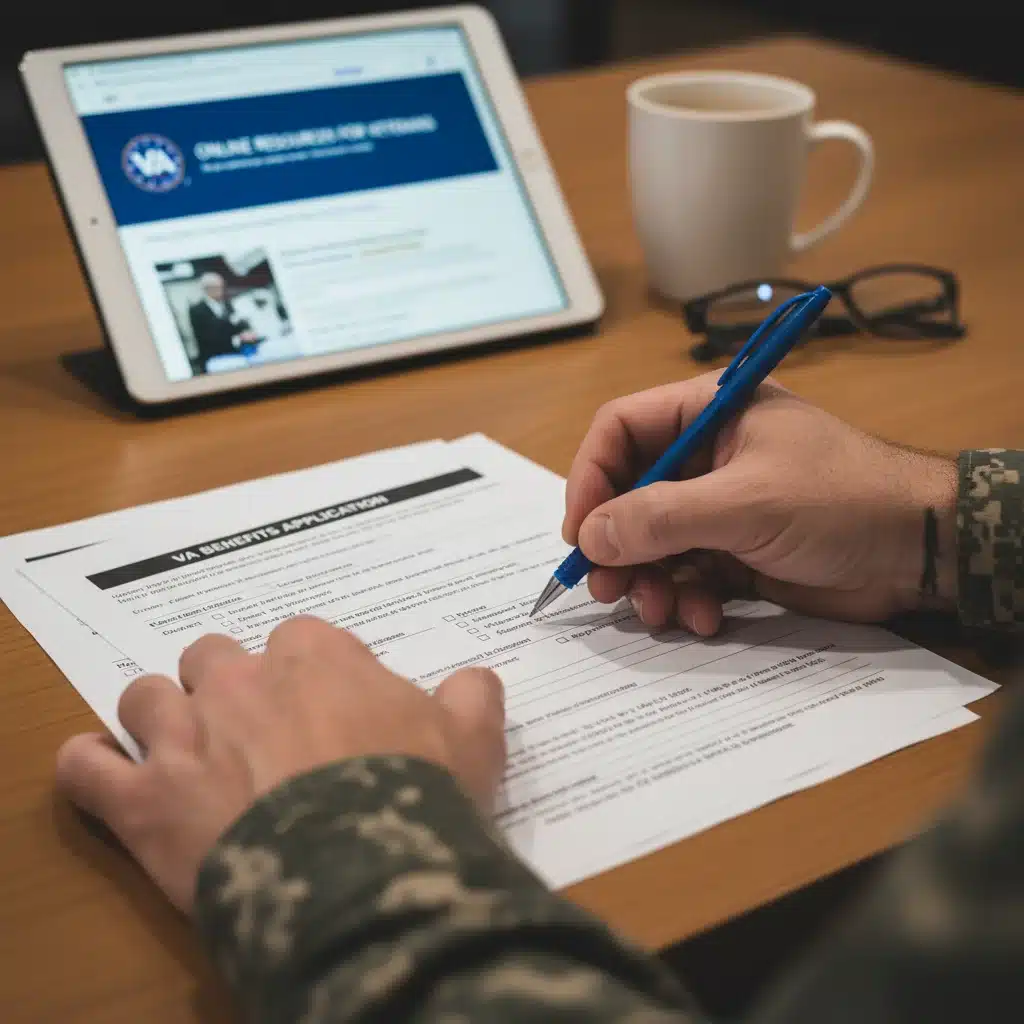
The primary application for the PCAFC is VA Form 10-10CG, “Application for the Program of Comprehensive Assistance for Family Caregivers.” Both the veteran and the primary caregiver must sign this form.
- Online Application: The easiest and fastest way to apply is online through the VA’s dedicated caregiver support website. Search for “VA Form 10-10CG online” in 2026.
- Mail: You can download the form from VA.gov, print it, complete it, and mail it to the address provided on the form.
- In Person: You can also submit the form at your local VA medical center’s Caregiver Support Coordinator office.
For PGCSS, you typically don’t submit a formal application form like 10-10CG. Instead, you contact your local VA medical center’s Caregiver Support Coordinator to enroll in specific services.
Step 4: Initial Review and Clinical Assessment
Once your 10-10CG application is submitted, the VA will conduct an initial review. If the veteran appears eligible, a clinical team will schedule an in-home or virtual assessment. This assessment is crucial for determining the veteran’s need for personal care services and the caregiver’s ability to provide them.
- Veteran’s Needs: The team will evaluate the veteran’s ability to perform ADLs (e.g., bathing, dressing, eating, toileting, transferring) and assess for cognitive impairments that require supervision.
- Caregiver’s Capabilities: The assessment will also evaluate the caregiver’s capacity to provide the necessary care and their living situation with the veteran.
Step 5: Caregiver Training and Approval
If approved for PCAFC, the primary family caregiver must complete specialized training provided by the VA. This training covers various aspects of caregiving, from medical tasks to self-care strategies. Upon successful completion of training, the caregiver will be formally approved, and benefits will commence.
Maximizing Your VA Caregiver Benefits in 2026: Practical Solutions
Beyond simply applying, several strategies can help families maximize the support they receive from VA Caregiver Benefits.
1. Understand the Stipend Tiers and Local Rates
The monthly stipend for PCAFC is categorized into three tiers (Tier 1, Tier 2, Tier 3) based on the veteran’s level of dependence. The higher the tier, the greater the stipend. The exact dollar amount for each tier is also adjusted based on the geographical location of the veteran, reflecting local wage rates for home health aides. Researching your local rates and understanding how the VA determines tiers can help you anticipate the level of financial support.
2. Utilize All Available Training and Resources
The VA offers extensive training programs, both in-person and online. These are not just compliance requirements; they are invaluable resources. Participate in all relevant training sessions to enhance your caregiving skills, learn about new medical techniques, and discover additional support services. The more knowledgeable and skilled you are, the better care you can provide, and the more confident you’ll feel in your role.
3. Don’t Overlook Respite Care
Caregiver burnout is a serious concern. Respite care is designed to prevent this by providing temporary relief. Even if you feel you can manage, regularly utilizing respite care can significantly improve your well-being and, by extension, the quality of care you provide. Plan for it, schedule it, and don’t feel guilty about taking a much-needed break.
4. Engage with Your Caregiver Support Coordinator (CSC)
Your local Caregiver Support Coordinator is your best ally. They are experts in VA caregiver programs and can provide personalized guidance, answer questions, help you navigate challenges, and connect you with local resources. Maintain regular communication with your CSC to stay informed about program updates and additional support opportunities in 2026.
5. Explore Mental Health Services for Caregivers
The emotional strain of caregiving is profound. The VA provides mental health services, including counseling and support groups, specifically for caregivers. These services are not a sign of weakness but a proactive step towards maintaining your mental and emotional resilience. Take advantage of them to process your feelings, manage stress, and connect with others facing similar experiences.
6. Advocate for Your Veteran’s Needs
Be an active advocate for your veteran. Ensure their medical records accurately reflect their current conditions and the extent of their need for assistance. If there are changes in their health status or care requirements, communicate these promptly to the VA and your healthcare providers. Accurate documentation is vital for maintaining or adjusting benefit levels.
7. Stay Informed About Policy Changes
VA policies and eligibility criteria can evolve. Regularly check the official VA.gov website, subscribe to VA newsletters, and stay in touch with your CSC for any announcements regarding VA Caregiver Benefits for 2026. Legislative changes or new directives could expand benefits or alter requirements.
Common Challenges and How to Overcome Them
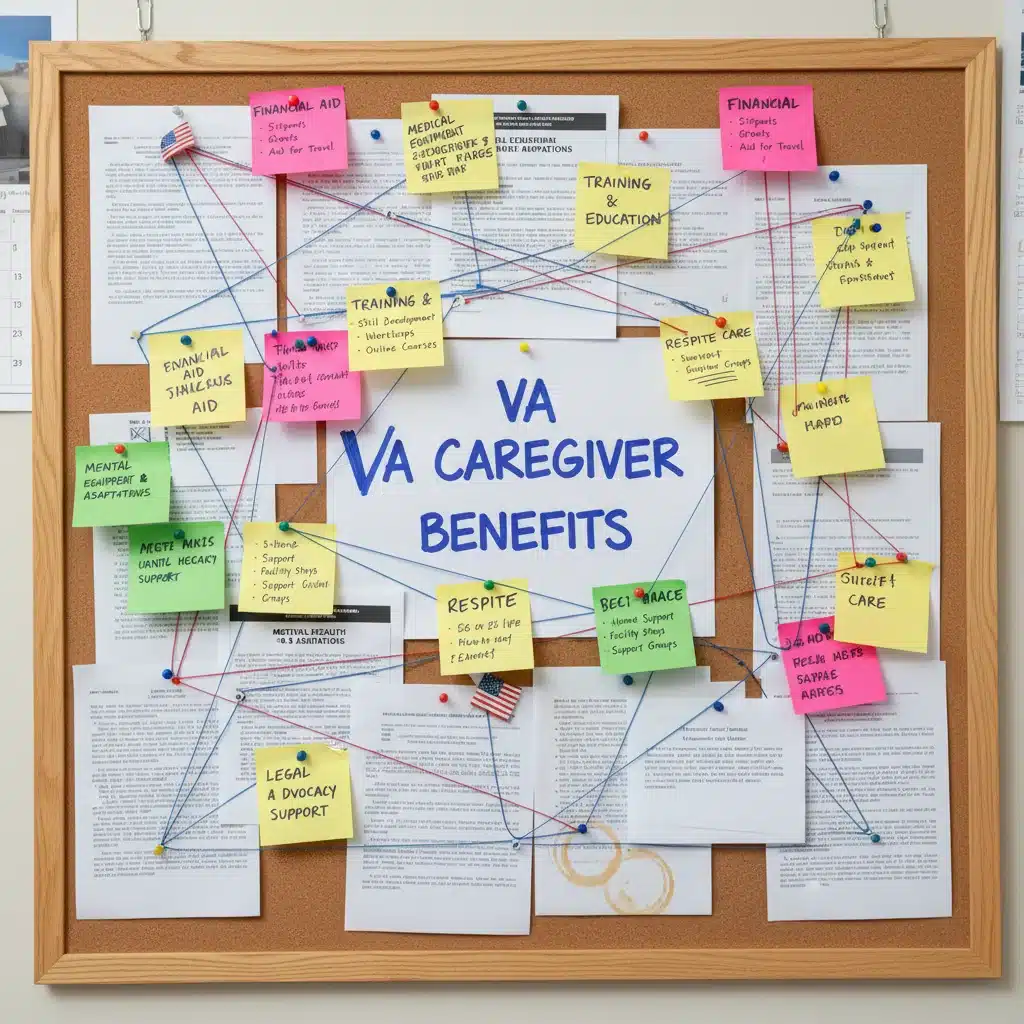
While the VA strives to make the process as straightforward as possible, families may encounter challenges. Here are some common hurdles and solutions:
Challenge 1: Denied Application
Solution: A denial is not the end of the road. Understand the reason for the denial. Was it due to insufficient documentation, eligibility criteria not being met, or an error in the assessment? You have the right to appeal the decision. Work with your CSC, a veteran service organization (VSO), or an attorney specializing in VA benefits to gather additional evidence and present a stronger case.
Challenge 2: Difficulty Proving Need for Care
Solution: Detailed and consistent medical documentation is paramount. Ensure all healthcare providers (VA and private) accurately record the veteran’s functional limitations, cognitive impairments, and the daily assistance they require. Keep a daily log of the care provided, including specific tasks and the veteran’s inability to perform them independently. This log can serve as valuable evidence during assessments.
Challenge 3: Caregiver Burnout
Solution: This is a critical issue that demands proactive measures. Utilize respite care options, engage in VA-provided mental health services, join caregiver support groups, and delegate tasks when possible. Remember, you cannot pour from an empty cup. Prioritizing your own well-being is not selfish; it’s essential for sustainable caregiving.
Challenge 4: Navigating Complex VA Systems
Solution: The VA system can be intricate. Don’t hesitate to lean on experts. Your Caregiver Support Coordinator is there to guide you. Veteran Service Organizations (VSOs) like the DAV, American Legion, or VFW offer free assistance with VA claims and benefits. They have accredited representatives who can help you understand the system and advocate on your behalf.
Future Outlook for VA Caregiver Benefits in 2026 and Beyond
The VA continues to expand and refine its caregiver programs. The ongoing phased expansion of PCAFC eligibility to veterans of all eras reflects a commitment to recognizing the needs of all those who served. For 2026, families should anticipate continued efforts to streamline application processes, enhance training programs, and potentially introduce new support services. Staying engaged with VA communications and advocacy groups will ensure you are at the forefront of any beneficial changes.
Technological advancements are also playing a growing role. Expect to see more digital tools, online training modules, and telehealth options for both veterans and caregivers, making access to support more convenient and efficient.
Conclusion: Empowering Veteran Families in 2026
The journey of caregiving for a veteran is a profound act of love and dedication. The VA Caregiver Benefits programs are designed to acknowledge and alleviate some of the burdens associated with this vital role. By understanding the eligibility criteria, meticulously following the application process, and proactively utilizing all available resources, US families can maximize the support they receive in 2026.
Remember, you are not alone. The VA, alongside numerous veteran service organizations, stands ready to assist. Empower yourself with knowledge, connect with your support network, and advocate tirelessly for your veteran’s needs and your own well-being. With this guide, you have a powerful tool to navigate the VA caregiver landscape, ensuring your veteran receives the highest quality of care and your family receives the recognition and assistance it deserves.
For the most current and official information, always refer to the official VA Caregiver Support Program website or contact your local VA medical center’s Caregiver Support Coordinator.