Financial Planning for U.S. Caregivers: Offset 15% Costs Annually

U.S. caregivers face substantial financial challenges, but strategic planning in 2025, utilizing tax credits, grants, and support programs, can effectively offset up to 15% of their annual caregiving costs.
In 2025, the financial burden on U.S. caregivers continues to be a significant concern. However, with strategic caregiver financial planning, it’s possible to offset a substantial portion of these costs. This guide explores actionable strategies designed to help you reduce your annual care expenses by up to 15%, ensuring both your well-being and that of your loved one.
Understanding the Financial Landscape for U.S. Caregivers in 2025
Caregiving, while deeply rewarding, often comes with considerable financial strain. In 2025, the costs associated with caring for an aging parent, a spouse with a chronic illness, or a child with special needs can range from out-of-pocket medical expenses to lost wages due to reduced work hours. Recognizing the breadth of this financial impact is the first step toward effective mitigation.
Many caregivers underestimate the full scope of their expenditures, which can include direct costs like medication, medical equipment, and in-home care services, as well as indirect costs such as transportation, home modifications, and even the emotional toll that can lead to increased personal health expenses. A comprehensive understanding allows for a more targeted approach to financial planning.
The Rising Cost of Care
The cost of long-term care services has steadily increased. For instance, the national median cost of assisted living facilities and home health aides continues its upward trajectory, making it imperative for caregivers to find innovative ways to manage these expenses. Without proper planning, these costs can quickly deplete savings and impact retirement security.
- In-home care services can cost thousands monthly.
- Assisted living facilities often exceed $5,000 per month.
- Medical supplies and medications add up significantly.
- Lost income due to caregiving responsibilities is a hidden cost.
By thoroughly assessing their current financial situation and projecting future needs, U.S. caregivers can identify key areas where financial strategies can yield the most significant savings, ultimately contributing to the goal of offsetting 15% of annual costs.
Leveraging Tax Credits and Deductions for Caregivers
One of the most effective ways to offset caregiving costs is by taking advantage of available tax credits and deductions. The U.S. tax code offers several provisions designed to alleviate the financial strain on caregivers, often overlooked by many.
Understanding which tax benefits apply to your specific situation can lead to substantial annual savings. It’s crucial to stay informed about the latest tax laws, as these can change from year to year. Consulting with a tax professional specializing in family caregiving situations can provide tailored advice and ensure you claim all eligible benefits.
Key Tax Benefits to Consider
Several tax provisions can directly reduce your tax liability or taxable income. These include credits for dependents, medical expense deductions, and even specific state-level benefits that complement federal programs.
- Credit for Other Dependents: This non-refundable credit can provide up to $500 for qualifying individuals who are not eligible for the Child Tax Credit, such as an aging parent or adult child with a disability.
- Medical Expense Deduction: If you pay for medical care for yourself, your spouse, or a dependent, you might be able to deduct the amount of medical expenses exceeding 7.5% of your adjusted gross income (AGI). This includes a wide range of costs, from doctor visits to long-term care services.
- Dependent Care Credit: While primarily for childcare, this credit can apply to a disabled spouse or dependent who cannot care for themselves, allowing you to claim a percentage of work-related care expenses.
Proactive engagement with these tax opportunities can significantly reduce your financial burden. Keeping meticulous records of all care-related expenses is paramount for successful claims.
Exploring Government Programs and Grants for Support
Beyond tax benefits, numerous government programs and grants exist at federal, state, and local levels to support U.S. caregivers. These programs are often designed to provide direct financial assistance, access to services, or reimbursements for care-related expenses.
Navigating the various applications and eligibility requirements can seem daunting, but the potential financial relief makes the effort worthwhile. Many state agencies on aging and disability services offer resources and guidance to help caregivers identify and apply for suitable programs.
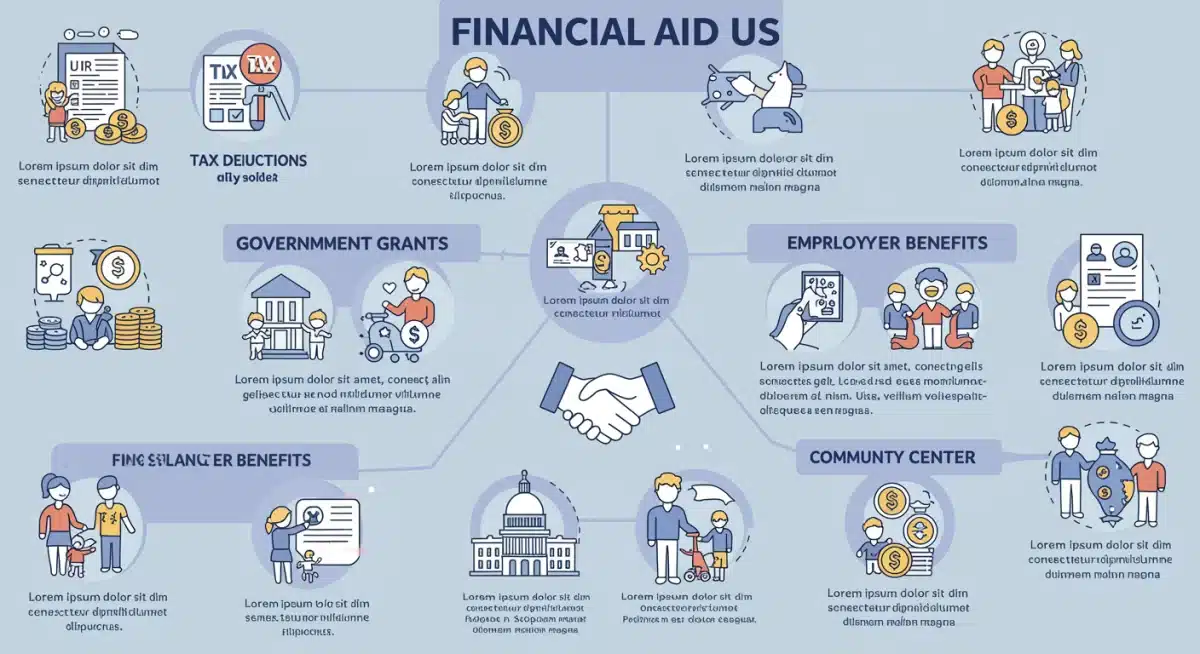
By diligently researching and applying for these programs, caregivers can tap into a vital support network that helps alleviate the financial pressure of their responsibilities. It’s about knowing where to look and understanding the criteria.
Federal and State Initiatives
Federal programs like Medicaid waivers, often administered at the state level, can provide funding for in-home care, adult daycare, and other services. Veterans Affairs (VA) also offers extensive benefits for eligible veterans and their caregivers, including stipends and aid-and-attendance benefits.
- Medicaid Waivers: These programs offer home and community-based services that prevent institutionalization, often covering personal care, case management, and respite care.
- VA Caregiver Support Program: Provides financial assistance, training, and mental health services to eligible caregivers of veterans.
- State-specific Grants: Many states have unique programs, such as caregiver stipends or reimbursement for specific care costs, which vary widely by location.
Investigating these government-backed opportunities is a critical step in comprehensive caregiver financial planning. These resources are specifically designed to ease the financial strain and improve the quality of life for both caregivers and their care recipients.
Optimizing Insurance Coverage and Employer Benefits
Many caregivers overlook the potential financial relief available through existing insurance policies and employer-sponsored benefits. A thorough review of these resources can uncover significant opportunities to offset care costs.
Understanding the nuances of health insurance, long-term care insurance, and even life insurance policies can reveal benefits that directly support caregiving efforts. Similarly, a growing number of employers are recognizing the challenges faced by working caregivers and are offering various forms of assistance.
It’s important to proactively engage with insurance providers and human resources departments to fully understand the scope of available benefits. Don’t assume that a policy or benefit doesn’t apply to your situation without a detailed inquiry.
Maximizing Your Benefits
From health savings accounts (HSAs) to flexible spending accounts (FSAs), and even specific long-term care policies, there are multiple avenues to explore. Employer benefits can range from paid leave to caregiving support programs.
- Long-Term Care Insurance: If purchased prior to the need for care, these policies can cover a significant portion of home care, assisted living, or nursing home costs.
- Health Savings Accounts (HSAs) and Flexible Spending Accounts (FSAs): These tax-advantaged accounts can be used to pay for qualified medical expenses, including some caregiving costs, offering tax savings.
- Employer Caregiving Benefits: A growing number of companies offer benefits such as caregiver leave, flexible work arrangements, or even financial assistance programs.
By strategically utilizing these existing resources, caregivers can significantly reduce out-of-pocket expenses and enhance their overall financial stability, contributing to the goal of offsetting 15% of annual care costs.
Budgeting and Financial Management for Caregivers
Effective budgeting and diligent financial management are foundational to offsetting caregiving costs. Without a clear picture of income and expenses, it’s challenging to identify areas for savings or to track the impact of financial strategies.
Creating a detailed budget that accounts for all care-related expenses, personal living costs, and income sources is crucial. This proactive approach allows caregivers to make informed decisions, prioritize spending, and identify potential shortfalls before they become crises.
Regularly reviewing and adjusting the budget ensures it remains relevant to changing needs and financial circumstances. This ongoing process is key to maintaining financial control amidst the unpredictable nature of caregiving.
Practical Budgeting Tips
Start by tracking every expense for a month to get an accurate baseline. Categorize expenses to identify where money is going and where cuts or adjustments can be made. Consider using budgeting apps or spreadsheets to simplify the process.
- Create a dedicated caregiving budget: Separate care-related expenses from household expenses to gain clarity.
- Prioritize essential expenses: Ensure critical needs like medication, food, and housing are covered first.
- Seek professional financial advice: A financial planner can help optimize your budget and explore investment strategies.
- Build an emergency fund: Unexpected care needs can arise, making a dedicated fund essential.
Implementing sound budgeting practices provides caregivers with greater control over their finances, making it easier to identify and achieve the 15% cost offset target through mindful spending and resource allocation.
Community Resources and Support Networks
Beyond individual financial strategies, local community resources and support networks offer invaluable assistance to U.S. caregivers, often providing services and programs that directly reduce costs or offer much-needed respite.
These resources can include free or low-cost support groups, adult daycare services, transportation assistance, and meal delivery programs. Connecting with these networks not only provides practical help but also offers emotional support, reducing the overall stress associated with caregiving.
Many communities have Area Agencies on Aging (AAAs) or similar organizations dedicated to connecting seniors and their caregivers with local services. These agencies are excellent starting points for discovering available support.
Accessing Local Support
Don’t hesitate to reach out to local non-profits, religious organizations, and community centers. They often have programs specifically designed for caregivers, including free workshops, volunteer services, and financial aid opportunities.
- Adult Day Care Centers: Provide supervised care during the day, offering caregivers a break and potentially reducing the need for costly in-home assistance.
- Respite Care Programs: Offer temporary relief for caregivers, allowing them to attend to personal needs or rest, often at a reduced cost or free through grants.
- Support Groups: While not directly financial, the emotional support and shared strategies from other caregivers can prevent burnout and help navigate challenges more effectively.
- Transportation Services: Many communities offer free or low-cost transportation for seniors and individuals with disabilities to medical appointments or other essential services.
By actively engaging with these community resources, caregivers can significantly reduce their financial burden while also enhancing their own well-being and the quality of care provided to their loved ones.
| Key Strategy | Brief Description |
|---|---|
| Utilize Tax Benefits | Claim eligible credits like the Credit for Other Dependents and Medical Expense Deduction to reduce tax liability. |
| Access Government Programs | Explore federal and state grants, Medicaid waivers, and VA benefits for direct financial aid or services. |
| Optimize Insurance & Employer Benefits | Review long-term care policies, HSAs, FSAs, and employer-sponsored caregiving support programs. |
| Budget and Seek Community Support | Implement strict budgeting and connect with local adult day care, respite, and transportation services. |
Frequently Asked Questions About Caregiver Financial Planning
The most effective starting point is to create a detailed budget that tracks all income and expenses, both personal and care-related. This provides a clear financial overview, helping identify areas where costs can be reduced or where additional support is needed. It’s the foundation for strategic financial decisions.
While specific new credits for 2025 are always subject to legislative changes, caregivers should monitor IRS updates and consult with a tax professional. Existing credits like the Credit for Other Dependents and medical expense deductions remain crucial. Advocacy groups continue to push for expanded caregiver tax relief.
Start by contacting your local Area Agency on Aging (AAA) or state Department of Health and Human Services. These organizations can provide comprehensive lists of local, state, and federal programs, including grants, respite care, and support services tailored to your specific needs and location.
Long-term care insurance can be a vital tool for offsetting significant care costs, especially if purchased before care is needed. It typically covers services like in-home care, assisted living, and nursing home care, protecting personal savings and reducing the financial burden on caregivers substantially.
Absolutely. Many employers are expanding benefits to include flexible work schedules, paid caregiver leave, and even access to care coordination services. These benefits can reduce stress, prevent job loss, and indirectly save money by providing support that might otherwise come out of pocket.
Conclusion
The journey of caregiving in the U.S. is undeniably challenging, particularly concerning its financial implications. However, by embracing proactive caregiver financial planning, leveraging available tax benefits, exploring government and community programs, optimizing insurance, and adopting sound budgeting practices, caregivers can significantly alleviate this burden. The goal of offsetting 15% or more of annual care costs in 2025 is not merely aspirational but achievable through informed decision-making and diligent resource utilization. Empowering yourself with knowledge and seeking out every available avenue of support is key to ensuring both your well-being and the sustained, quality care of your loved one, fostering a more stable and less stressful caregiving experience for all involved.