Outdoor Wellness: Simple Nature Activities for U.S. Families This Year

Outdoor Wellness: 3 Simple Nature-Based Activities to Enhance Mental Well-being for U.S. Families This Year
In our increasingly digital and fast-paced world, the demands on families in the U.S. are greater than ever. Between school, work, extracurriculars, and the constant hum of technology, finding moments of peace and connection can feel like a luxury. Yet, the profound benefits of connecting with nature for our mental and physical well-being are undeniable. This year, make a conscious effort to integrate outdoor family wellness into your routine. It doesn’t require elaborate trips or expensive gear; sometimes, the simplest interactions with the natural world can yield the most significant results. This article explores three easy, nature-based activities that U.S. families can adopt to boost their mental well-being, foster stronger bonds, and reduce stress.
The concept of ‘outdoor wellness’ extends beyond just physical exercise. It encompasses the psychological, emotional, and even spiritual benefits derived from spending time in natural environments. For families, this means creating shared experiences that are both enjoyable and restorative, away from the distractions of daily life. The goal is to tap into the innate human connection to nature, often referred to as ‘biophilia,’ to improve overall health. By engaging in these simple activities, families can cultivate resilience, enhance mood, and develop a deeper appreciation for the world around them. Let’s delve into how you can make outdoor family wellness a cornerstone of your family’s health strategy this year.
The Science Behind Nature and Well-being: Why Outdoor Family Wellness Matters
Before diving into specific activities, it’s crucial to understand why spending time in nature is so beneficial. Research in environmental psychology consistently shows that exposure to natural environments can reduce stress, improve mood, enhance cognitive function, and even boost physical health. For example, studies have linked time in green spaces to decreased levels of cortisol, the primary stress hormone, and increased feelings of happiness and vitality. This isn’t just anecdotal; there’s a growing body of scientific evidence supporting the idea that nature is a powerful healer.
Reduced Stress and Anxiety
One of the most immediate benefits of outdoor family wellness is stress reduction. The sights, sounds, and smells of nature have a calming effect on the nervous system. The gentle rustle of leaves, the chirping of birds, and the fresh scent of earth can help quiet a busy mind. For families juggling multiple responsibilities, these moments of tranquility are invaluable. Children, in particular, benefit from unstructured play in natural settings, which allows them to release pent-up energy and explore without pressure, leading to a significant decrease in anxiety levels.
Improved Mood and Emotional Regulation
Nature acts as a natural antidepressant. Exposure to sunlight helps regulate serotonin levels, which are crucial for mood stability. Furthermore, engaging in enjoyable outdoor activities with loved ones fosters positive emotions and strengthens family bonds. When families share experiences in nature, they create lasting memories and build a foundation of shared joy, contributing to better emotional regulation for all members. This makes outdoor family wellness an excellent proactive measure against feelings of sadness or irritability.
Enhanced Cognitive Function and Creativity
Spending time in nature can also give our brains a much-needed break from the constant stimulation of urban environments and digital screens. This ‘soft fascination’ of natural settings allows for a restorative process known as Attention Restoration Theory (ART). For children, this translates to improved focus, problem-solving skills, and creativity. Adults also experience enhanced cognitive function, making outdoor breaks an effective way to recharge mental batteries and approach challenges with fresh perspectives. Integrating nature into your family’s routine can significantly boost overall cognitive health.
Physical Health Benefits
While the focus here is on mental well-being, the physical benefits of outdoor family wellness are interconnected and equally important. Activities like walking, hiking, or playing outdoors naturally increase physical activity levels, which in turn supports cardiovascular health, strengthens muscles, and improves sleep quality. Better physical health often leads to better mental health, creating a virtuous cycle that benefits the entire family. Even small increments of outdoor activity can make a big difference.
Activity 1: The Mindful Nature Walk – Engaging All Senses
Our first simple activity for boosting outdoor family wellness is the mindful nature walk. This isn’t just about getting from point A to point B; it’s about fully immersing yourselves in the experience of being in nature. The key word here is ‘mindful.’ Instead of rushing through a trail or focusing on a destination, encourage everyone to slow down and pay attention to their surroundings using all five senses.
How to Practice a Mindful Nature Walk:
- Choose Your Setting: Find a local park, a nature trail, or even your backyard. The important thing is access to natural elements like trees, plants, and open sky.
- Set an Intention: Before you start, briefly discuss as a family that the goal isn’t speed, but observation. Suggest leaving phones tucked away to minimize distractions.
- Engage Your Senses:
- Sight: What colors do you see? Can you spot different shapes in the clouds or patterns on leaves? Notice the way light filters through the trees.
- Sound: Listen for birdsong, the rustle of leaves, the distant hum of insects, or the gentle flow of water. Can you identify different sounds?
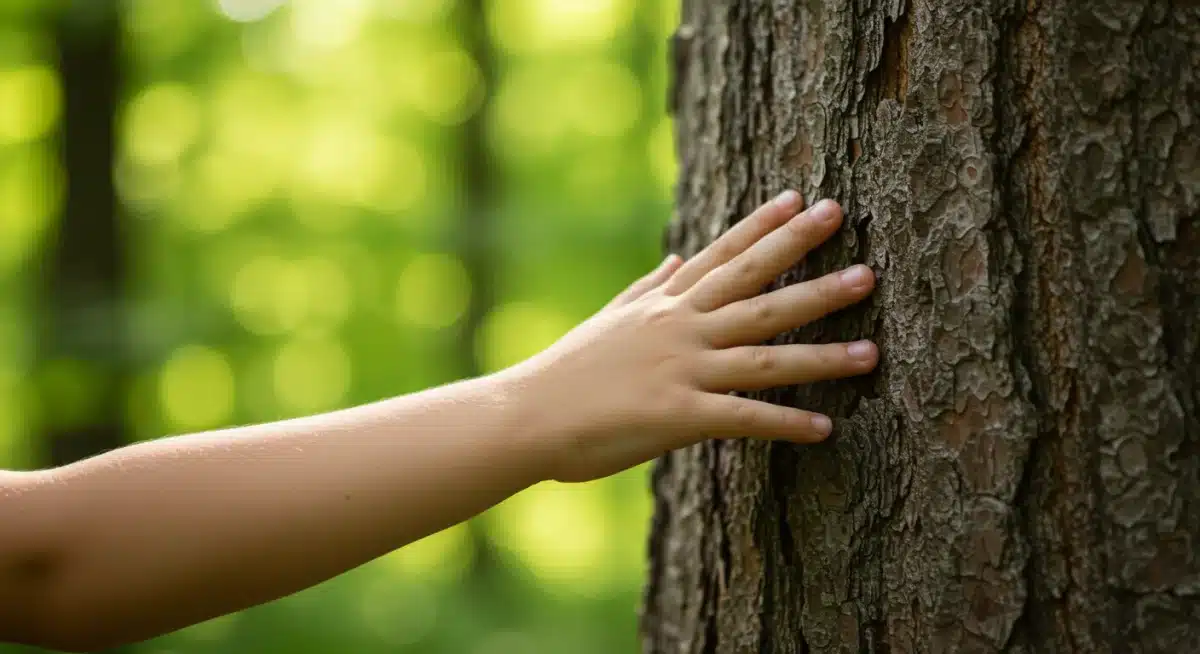
- Touch: Gently feel the texture of tree bark, a smooth stone, a soft leaf. How does the air feel on your skin? (Always be cautious about touching unknown plants).
- Smell: What scents can you detect? The earthy smell after rain, the fragrance of flowers, the fresh scent of pine needles.
- Taste: While generally not recommended for wild plants unless you are an expert, you can bring along a small, nature-inspired snack like berries or trail mix to enjoy mindfully.
- Encourage Sharing: Periodically pause and ask family members what they are noticing. This encourages active observation and conversation, deepening the shared experience.
- Duration: Start with short walks (15-30 minutes) and gradually increase the time as everyone becomes more comfortable and engaged.
Benefits for Families:
Mindful nature walks offer a wealth of benefits for outdoor family wellness. They reduce mental fatigue, improve focus, and foster a sense of calm. For children, it enhances their observational skills and curiosity about the natural world. For parents, it provides a much-needed break from cognitive overload. Shared observations can spark wonderful conversations and strengthen family bonds, creating a collective sense of peace and appreciation. This simple practice can become a cherished family ritual, offering regular opportunities for mental rejuvenation and connection.
Activity 2: Backyard or Balcony Gardening – Nurturing Life Together
You don’t need vast wilderness to experience the benefits of nature. Gardening, even in a small backyard or on a balcony, is a powerful activity for promoting outdoor family wellness. The act of nurturing plants, watching them grow, and harvesting their bounty provides a unique sense of accomplishment, responsibility, and connection to the life cycle. This activity is particularly accessible for urban families and those with limited outdoor space.
Getting Started with Family Gardening:
- Start Small: Begin with easy-to-grow plants. Herbs (basil, mint, rosemary), cherry tomatoes, lettuce, or sunflowers are excellent choices for beginners and children. These can be grown in pots on a window sill, balcony, or a small raised bed.
- Involve Everyone: Assign age-appropriate tasks. Younger children can help with watering, planting large seeds, or digging. Older children can research plant care, help with weeding, or plan the garden layout.
- Learn Together: Use gardening as an opportunity to teach about plant life cycles, ecosystems, and healthy eating. What does a plant need to grow? Where do our vegetables come from?
- Embrace the Process: Focus on the joy of the activity rather than just the outcome. Not every plant will thrive, and that’s okay. It’s an opportunity to learn from mistakes and try again.
- Harvest and Enjoy: The most rewarding part is enjoying the fruits (or vegetables, or flowers!) of your labor. Cook a meal with ingredients from your garden, or create a beautiful bouquet.
Benefits for Families:
Gardening offers numerous mental health benefits. The physical activity involved, from digging to watering, provides gentle exercise. The sensory experience – the smell of soil, the feel of leaves, the vibrant colors of flowers – is deeply grounding. Watching something grow from a tiny seed instills patience and a sense of wonder. For children, it teaches responsibility, problem-solving, and fosters a connection to where food comes from. It’s a tangible way to see the results of their efforts, boosting self-esteem. For the whole family, it’s a collaborative project that encourages teamwork and communication, significantly contributing to overall outdoor family wellness. The consistent care required for plants also introduces a calming routine into family life.
Moreover, gardening can be a powerful tool for mindfulness. When you’re focused on the task at hand – potting a seedling, pruning a branch, or carefully watering – your mind is naturally drawn away from daily worries. This focused attention can be incredibly therapeutic, helping to reduce anxiety and promote a sense of inner peace. The cyclical nature of gardening, with its seasons of planting, growing, and harvesting, can also provide a comforting rhythm and a reminder of nature’s resilience and renewal. Consider dedicating a small corner of your outdoor space to a family garden this year to reap these profound benefits.
Activity 3: Stargazing and Nighttime Nature Observation – Awe and Wonder
While many outdoor family wellness activities focus on daylight hours, don’t overlook the magic of nature after dark. Stargazing and nighttime nature observation offer a unique opportunity to connect with the vastness of the universe and experience a different side of the natural world. This activity can be incredibly calming, inspiring, and foster a sense of awe and wonder that is profoundly beneficial for mental well-being.
Tips for Family Stargazing:
- Find a Dark Spot: The less light pollution, the better. A local park after hours (if permitted), a rural area, or even your backyard on a clear night can work.
- Check the Forecast: A clear, moonless night is ideal for seeing stars. Use apps or websites to check moon phases and weather.
- Dress Warmly: Even on a mild evening, temperatures can drop. Bring blankets, warm jackets, and hot beverages.
- Prepare for the Dark: Allow your eyes about 20-30 minutes to adjust to the darkness. Use red-light flashlights (or cover regular flashlights with red cellophane) to preserve night vision.
- Learn the Basics: Before heading out, look up a few constellations or planets that will be visible. Apps like SkyView Lite or Star Walk 2 can help identify celestial objects in real-time.
- Storytelling and Quiet Reflection: While observing, encourage quiet conversation, share stories about constellations, or simply lie back and enjoy the silence and the grandeur of the night sky.
Benefits for Families:
Stargazing is an excellent way to cultivate a sense of awe, which has been linked to increased feelings of well-being, humility, and connection to something larger than oneself. For families, it’s a shared experience that encourages curiosity and learning. It also provides a tranquil setting for quiet reflection and meaningful conversations, away from the usual daytime distractions. The vastness of the night sky can put daily worries into perspective, promoting a sense of calm and reducing feelings of stress. This unique form of outdoor family wellness helps to expand horizons and foster a deep appreciation for the natural world and the universe beyond.
Observing nocturnal animals, listening to the sounds of the night, or simply feeling the cool night air can also be incredibly restorative. It encourages a different kind of sensory awareness and can be a profound bonding experience. Imagine your family huddled together under a blanket, pointing out shooting stars or identifying planets – these are the moments that build lasting memories and contribute significantly to emotional well-being. Incorporating nighttime nature observation into your family’s routine provides a fresh perspective and a unique opportunity for peace and wonder.
Integrating Outdoor Family Wellness into Busy Schedules
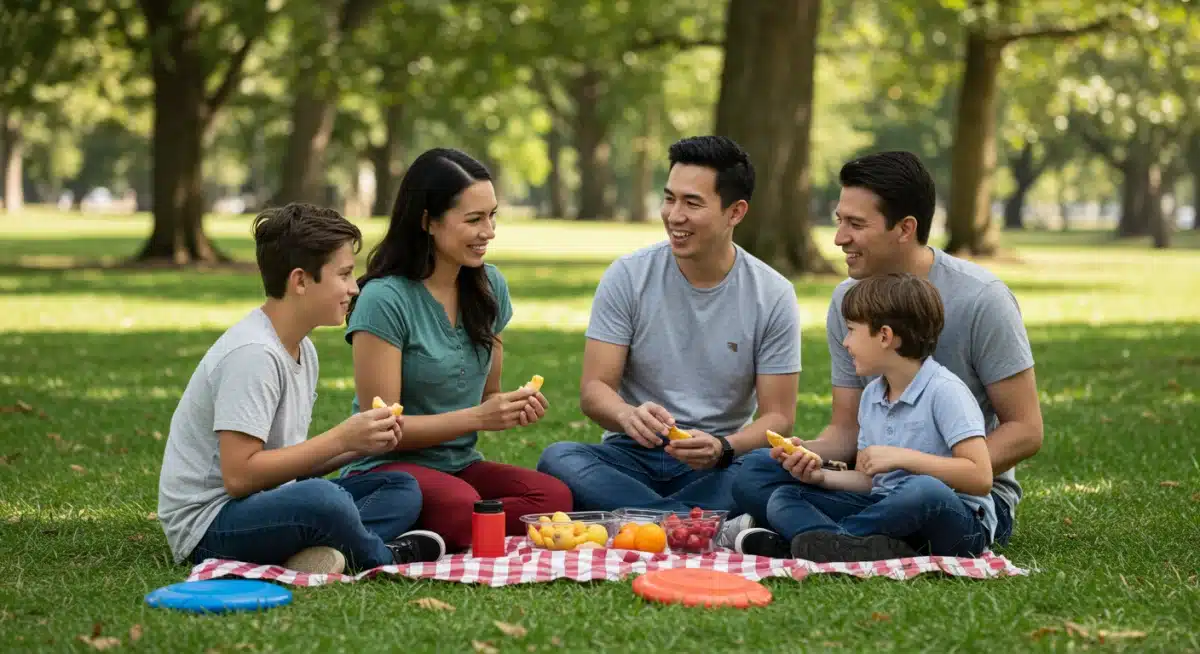
The biggest hurdle for many U.S. families looking to embrace outdoor family wellness is often time. It can feel daunting to add another activity to an already packed schedule. However, the beauty of these nature-based activities is their flexibility and adaptability. You don’t need to block out entire weekends; even short, consistent bursts of nature time can make a significant difference. The key is intentionality and making it a priority.
Tips for Successful Integration:
- Schedule It: Just like any other important appointment, schedule ‘nature time’ on your family calendar. Even 30 minutes a few times a week can be impactful.
- Make it a Routine: Could a mindful walk be part of your after-dinner routine? Could gardening be a Saturday morning ritual? Consistency is more valuable than infrequent, long excursions.
- Embrace Imperfection: Don’t wait for the ‘perfect’ weather or the ‘perfect’ amount of free time. A drizzly walk can be just as invigorating as a sunny one, and a quick 15-minute backyard observation is better than no nature time at all.
- Utilize Local Resources: Explore local parks, nature centers, community gardens, or even schoolyards. Many communities offer free or low-cost access to green spaces.
- Be Prepared: Keep a ‘nature bag’ ready with essentials like water bottles, hats, sunscreen, bug spray, and perhaps a small magnifying glass or nature journal to make spontaneous outings easier.
- Lead by Example: Children are more likely to embrace outdoor activities if they see their parents enjoying them. Show your enthusiasm and curiosity for the natural world.
Remember, the goal is not to achieve perfection but to consistently make space for nature in your family’s life. Each small step towards more outdoor family wellness contributes to a healthier, happier, and more connected family unit. These activities are not just about escaping stress; they are about building resilience, fostering joy, and nurturing a lifelong appreciation for the natural world.
The Long-Term Impact of Outdoor Family Wellness
Investing in outdoor family wellness today yields benefits that extend far into the future. By regularly engaging in nature-based activities, families cultivate a deeper appreciation for environmental stewardship. Children who grow up connected to nature are more likely to become adults who care about conservation and sustainability. This ripple effect benefits not only individual families but also the broader community and the planet as a whole.
Furthermore, the shared experiences forged in nature create a robust foundation for family unity. These are the memories that children will cherish and recount for years to come – the sensation of digging in the soil, the thrill of spotting a deer on a trail, the wonder of a meteor shower. These moments of connection, free from digital distractions, are invaluable in an age where genuine interaction can sometimes feel scarce. They build communication skills, foster empathy, and provide a sense of belonging that is crucial for mental well-being.
As families navigate the complexities of modern life, the simple act of stepping outside can be a powerful antidote to stress, disconnection, and the pressures of daily living. The three activities outlined – mindful nature walks, backyard gardening, and stargazing – are just starting points. The natural world offers an endless array of possibilities for exploration and enjoyment. The most important thing is to start, to experiment, and to find what resonates most with your unique family dynamic.
This year, make a commitment to prioritizing outdoor family wellness. It’s not just about adding another item to your to-do list; it’s about investing in the physical, mental, and emotional health of every family member. It’s about rediscovering joy, fostering curiosity, and building a legacy of connection – both with each other and with the incredible natural world that surrounds us. So, step outside, breathe deeply, and let nature work its magic on your family’s well-being.