Building a Mindful Home: 4 Key Practices for Calmer Living by Mid-2026
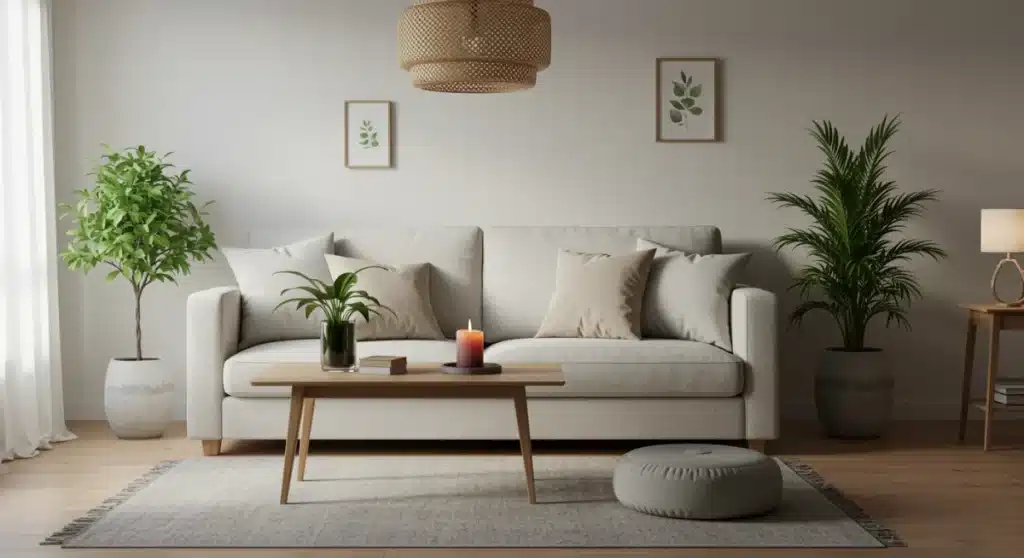
Building a Mindful Home: 4 Key Practices for Calmer Living by Mid-2026
In our increasingly fast-paced world, finding pockets of peace and tranquility has become more crucial than ever. Our homes, often seen as mere shelters, hold immense potential to be sanctuaries – places where we can truly unwind, recharge, and practice self-care. But how do we transform a bustling household into a haven of calm? The answer lies in cultivating a mindful home. By mid-2026, imagine stepping into a space that actively supports your well-being, reduces stress, and fosters a sense of inner peace. This isn’t just about aesthetics; it’s about intentional living and creating an environment that resonates with your deepest desires for calm and clarity. This comprehensive guide will explore four key practices to help you achieve just that, offering actionable steps to infuse mindfulness into every corner of your living space.
The concept of a mindful home extends beyond simply having a tidy house. It’s about consciously designing and maintaining your environment to reflect your values and support your mental and emotional health. It involves making deliberate choices about what you bring into your home, how you arrange your belongings, and the energy you allow to permeate your space. When your home is mindful, it becomes an extension of your inner self, a place where you can truly be present and find solace from the external world. Let’s delve into these transformative practices and set a clear path towards a calmer, more intentional living experience by mid-2026.
1. Declutter with Intention: Creating Space for Clarity
One of the most immediate and impactful ways to cultivate a mindful home is through intentional decluttering. Clutter, both visible and hidden, can contribute to mental fatigue, stress, and a feeling of being overwhelmed. It can make it difficult to focus, relax, and truly appreciate your surroundings. Think of your physical space as a reflection of your mental space; a cluttered home often mirrors a cluttered mind. By actively removing items that no longer serve a purpose or bring joy, you create not only physical space but also mental clarity.
The process of decluttering should be approached with mindfulness, not as a chore to be rushed through. Instead, view it as an opportunity to connect with your belongings and understand their true value in your life. Ask yourself critical questions for each item: “Does this item bring me joy?” “Is it truly useful?” “Have I used it in the last year?” “Does it align with the kind of environment I want to create?” These questions, popularized by tidying expert Marie Kondo, encourage a more thoughtful and less impulsive approach to accumulation.
The Benefits of a Decluttered Mindful Home:
- Reduced Stress and Anxiety: A clear physical space often leads to a clearer mind, lowering stress levels.
- Improved Focus and Productivity: Without visual distractions, it’s easier to concentrate on tasks and be more productive.
- Enhanced Sense of Calm: An orderly environment promotes feelings of peace and serenity.
- Easier Cleaning and Maintenance: Less stuff means less to clean, freeing up valuable time and energy.
- Greater Appreciation for What You Have: When surrounded by only cherished items, you develop a deeper appreciation for them.
- Better Decision-Making: Practicing decluttering can extend to other areas of your life, improving your ability to make clear decisions.
Practical Steps for Intentional Decluttering:
- Start Small: Don’t try to declutter your entire home in one weekend. Begin with a single drawer, a shelf, or a small corner of a room. This builds momentum and prevents overwhelm.
- Categorize and Conquer: Instead of decluttering by room, try decluttering by category (e.g., all clothes, all books, all kitchen utensils). This helps you see the true volume of what you own.
- The Four-Box Method: Label four boxes: ‘Keep,’ ‘Donate/Sell,’ ‘Trash,’ and ‘Relocate.’ As you go through items, place them in the appropriate box.
- Be Ruthless (Gently): It’s okay to let go of items that hold sentimental value but no longer serve a purpose. Take a photo if you want to preserve the memory without the physical item.
- Establish a ‘One In, One Out’ Rule: To prevent future clutter, commit to getting rid of one item every time you bring a new one into your home.
- Create Designated Homes: Every item should have a designated place. When you’re done using something, put it back immediately.
- Regular Maintenance: Decluttering isn’t a one-time event. Schedule regular, smaller decluttering sessions (e.g., 15 minutes a week) to keep your space tidy.
By actively engaging in intentional decluttering, you’re not just organizing your home; you’re actively shaping your environment to support a more peaceful and focused existence. This foundational practice lays the groundwork for a truly mindful home.
2. Embrace Nature: Bringing the Outdoors In for a Mindful Home
Our innate connection to nature, often referred to as biophilia, plays a significant role in our well-being. Incorporating natural elements into your living space can profoundly impact your mood, reduce stress, and enhance your sense of calm. A mindful home actively seeks to bridge the gap between indoor and outdoor environments, creating a harmonious flow that nurtures the soul.
Studies have shown that exposure to nature, even in small doses, can lower blood pressure, improve cognitive function, and boost overall happiness. Bringing the outdoors in is more than just decorating; it’s about creating a living, breathing extension of the natural world within your walls, fostering a deeper connection to the rhythms of life.

Ways to Integrate Nature into Your Mindful Home:
- Houseplants Galore: This is perhaps the most obvious and effective method. Choose plants that thrive in your home’s conditions and consider their air-purifying qualities. Varieties like snake plants, peace lilies, and spider plants are excellent choices. Group them together for a lush feel or place them strategically to add pops of green.
- Natural Materials: Opt for furniture and decor made from natural materials such as wood, bamboo, rattan, linen, cotton, and wool. These materials not only add texture and warmth but also connect you to the earth.
- Natural Light: Maximize natural light whenever possible. Keep windows unobstructed, use sheer curtains, and consider lighter paint colors that reflect light. Natural light is essential for regulating our circadian rhythms and boosting mood.
- Water Features: A small indoor fountain can introduce the soothing sound of flowing water, known for its calming effects.
- Earthy Color Palettes: Draw inspiration from nature’s hues. Greens, blues, browns, and soft neutrals can create a serene and grounded atmosphere.
- Botanical Art and Photography: If live plants aren’t an option, incorporate art featuring natural landscapes, botanicals, or wildlife.
- Scents of Nature: Use essential oil diffusers with natural scents like lavender, cedarwood, or citrus, or bring in fresh flowers and herbs.
- Open Windows and Fresh Air: Regularly open windows to allow fresh air to circulate, even for a few minutes each day. This not only ventilates your home but also reconnects you with the outside world.
By thoughtfully integrating nature, your mindful home becomes a vibrant, life-affirming space that supports your physical and mental well-being. It’s a constant reminder of the beauty and tranquility found in the natural world, right within your four walls.
3. Create Designated Zones: Intentional Spaces for Different Activities
In a truly mindful home, every space serves a purpose. Modern living often blurs the lines between work, relaxation, and personal growth, leading to a feeling of constant activity and an inability to fully switch off. Creating designated zones within your home can help establish boundaries, enhance focus, and promote a deeper sense of presence for various activities.
This practice doesn’t require a large home; even in small apartments, you can define areas through subtle cues like rugs, lighting, or specific furniture arrangements. The goal is to signal to your brain what activity is expected in each area, thereby fostering a more intentional and less distracted approach to your daily routines. By mid-2026, you can have a home where every corner is optimized for its intended function, promoting flow and peace.
Examples of Designated Zones for a Mindful Home:
- The Relaxation Nook: A comfortable armchair, a soft blanket, a good reading lamp, and perhaps a small side table for a cup of tea. This space is solely for unwinding, reading, or quiet contemplation. Keep electronics out of this zone.
- The Meditation/Yoga Space: Even a small corner can be dedicated to mindfulness practices. A yoga mat, a meditation cushion, and perhaps a few calming elements like a candle or a small statue can transform this area into a sacred space for inner work.
- The Creative Corner: If you enjoy hobbies like painting, writing, or crafting, dedicate a specific area for these activities. Having your supplies readily available and organized in this zone encourages creative flow.
- The Work/Study Zone: Crucially, this area should be separate from your relaxation spaces if possible. A well-organized desk, ergonomic chair, and good lighting are essential. When you’re in this zone, you’re focused on tasks; when you leave it, you’re signaling to your brain that work is over.
- The Dining Area: Make your dining table a screen-free zone. This encourages mindful eating and meaningful conversations with family or housemates.
- The Sleep Sanctuary: Your bedroom should be solely dedicated to rest and intimacy. Keep work materials and excessive electronics out. Optimize for darkness, quiet, and a comfortable temperature.
Tips for Establishing Zones in Your Mindful Home:
- Identify Your Needs: What activities are most important to you? What spaces do you currently lack?
- Use Visual Cues: Area rugs, screens, bookshelves, or even different paint colors can subtly define zones without needing physical walls.
- Optimize Lighting: Use task lighting for work zones and soft, ambient lighting for relaxation areas.
- Minimize Distractions: Ensure each zone is free from items that belong to other zones.
- Communicate with Household Members: If you share your home, discuss the purpose of each zone to ensure everyone respects the boundaries.
By intentionally carving out these distinct areas, you’re not just organizing your home; you’re organizing your life. Each zone becomes a cue for a specific state of mind, helping you transition more smoothly between activities and fostering a greater sense of purpose and presence within your mindful home.
4. Engage Your Senses Mindfully: Curating a Sensory Experience
A truly mindful home engages all five senses, creating an environment that is not only visually appealing but also a pleasure to hear, smell, touch, and even taste. Our senses are powerful gateways to the present moment, and by consciously curating the sensory experience of our homes, we can deepen our connection to our surroundings and enhance our overall well-being. By mid-2026, your home can be a symphony of soothing sensations, designed to calm and rejuvenate.
Think about how different sensory inputs affect your mood. Harsh lighting, loud noises, or unpleasant odors can create tension and discomfort. Conversely, soft textures, gentle sounds, pleasing aromas, and beautiful sights can induce relaxation and contentment. This practice is about being attuned to these subtle influences and making deliberate choices to create a positive sensory landscape within your home.
Sensory Elements to Cultivate in Your Mindful Home:
- Sight (Visual Harmony):
- Color Palette: Choose calming colors like soft blues, greens, grays, and warm neutrals.
- Lighting: Prioritize natural light. Supplement with warm, dimmable artificial lighting. Use candles for ambiance.
- Order and Simplicity: A decluttered space is visually calming.
- Natural Elements: Plants, flowers, and natural wood textures are visually soothing.
- Meaningful Art: Display art that evokes positive emotions or resonates with your values.
- Sound (Auditory Calm):
- Minimize Noise: Use rugs, curtains, and soft furnishings to absorb sound.
- Introduce Soothing Sounds: A small indoor water fountain, wind chimes (if outdoors), or soft instrumental music.
- Silence: Embrace moments of quiet. Turn off background noise when not needed.
- Smell (Aromatic Peace):
- Natural Scents: Use essential oil diffusers with calming aromas (lavender, frankincense, bergamot).
- Fresh Air: Open windows regularly to air out your home.
- Avoid Artificial Fragrances: Many synthetic air fresheners can be irritating. Opt for natural alternatives.
- Fresh Flowers and Herbs: Bring in fragrant blooms or grow herbs like mint or rosemary indoors.
- Touch (Tactile Comfort):
- Soft Furnishings: Incorporate plush throws, soft pillows, and comfortable rugs.
- Natural Textures: Choose materials like wool, cotton, linen, and silk for their pleasing tactile feel.
- Comfortable Seating: Invest in furniture that is truly comfortable and inviting.
- Warmth: Ensure your home’s temperature is comfortable and cozy.
- Taste (Mindful Nourishment):
- Mindful Eating Spaces: Create an inviting dining area where you can savor your meals without distraction.
- Fresh Ingredients: Stock your kitchen with fresh, wholesome foods that nourish your body.
- Herbal Teas: Keep a selection of calming herbal teas on hand for moments of reflection.
By consciously tuning into and enhancing these sensory aspects, your mindful home becomes a multi-dimensional sanctuary, a place where every sense is gently nurtured, promoting deep relaxation and a profound sense of well-being. This intentional sensory curation supports a holistic approach to living mindfully within your own space.
Integrating Mindful Home Practices into Your Daily Life
Transforming your home into a mindful sanctuary isn’t a one-time project; it’s an ongoing journey. The goal by mid-2026 is to have these practices so ingrained in your routine that they become second nature. It’s about cultivating habits that consistently support a peaceful and intentional living environment. Remember, even small, consistent efforts can lead to profound changes over time.
Tips for Sustaining a Mindful Home:
- Daily Reset: Spend 5-10 minutes each evening tidying up common areas. This prevents clutter from accumulating and ensures you wake up to a fresh space.
- Weekly Deep Dive: Dedicate an hour each week to a more focused decluttering or organizing task in a specific area.
- Seasonal Refresh: Twice a year, undertake a larger decluttering effort, perhaps aligning with spring cleaning or preparing for winter.
- Mindful Consumption: Before buying something new, pause and consider if it truly adds value to your mindful home. Avoid impulse purchases.
- Connect with Your Space: Take moments throughout your day to simply observe and appreciate your home. Notice the light, the textures, the sounds.
- Personalize Mindfully: Ensure your decor reflects your personality and values, creating a space that genuinely feels like ‘you.’
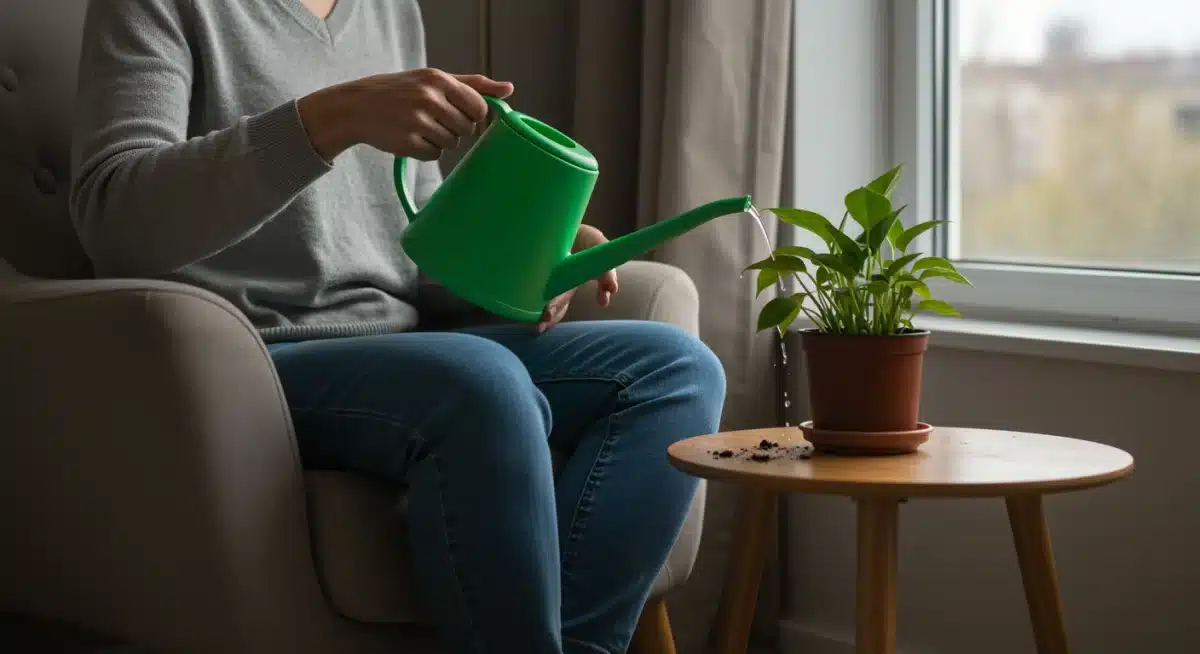
- Regular Plant Care: Make watering and caring for your houseplants a mindful ritual.
- Digital Detox Zones: Designate areas or times where digital devices are put away, encouraging real-world interaction and presence.
The beauty of a mindful home is its adaptability. It evolves with you, reflecting your changing needs and preferences. It’s not about achieving perfection, but about creating an environment that consistently supports your well-being and allows you to live more fully in the present moment.
Conclusion: Your Journey to a Calmer Home by Mid-2026
Building a mindful home is an investment in your peace of mind, your well-being, and your overall quality of life. By actively embracing intentional decluttering, integrating nature, creating designated zones, and mindfully engaging your senses, you are laying the foundation for a living space that truly nurtures your soul. Imagine the profound difference it will make by mid-2026 to return to a home that feels like a refuge, a place where stress dissipates, and calm prevails.
These four key practices are not just aesthetic choices; they are powerful tools for personal transformation. They encourage you to be more present, more intentional, and more connected to your surroundings. Start small, be patient with yourself, and celebrate every step you take towards creating the peaceful sanctuary you deserve. Your journey to a calmer, more mindful home begins now, and the rewards will ripple through every aspect of your life.
What steps will you take this week to begin cultivating your own mindful home? Share your thoughts and progress in the comments below!