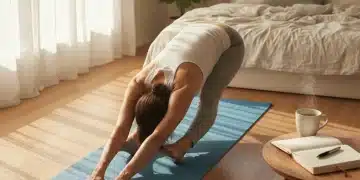
Master Mindful Breathing: 7 Techniques to Slash Stress in 10 Minutes Daily

Anúncios
In the relentless pace of modern life, stress has become an unwelcome constant. The year 2026 continues to present its unique set of challenges, making effective stress management more crucial than ever. While countless remedies promise relief, one of the most accessible, powerful, and often overlooked tools resides within us: our breath. Mindful breathing is not just a trend; it’s a scientifically backed practice that can profoundly alter your physiological and psychological state. Imagine reducing your stress levels by a remarkable 30% in just 10 minutes a day. This isn’t wishful thinking; it’s an achievable reality through dedicated mindful breathing stress practices.
Anúncios
This comprehensive guide will delve into the transformative world of mindful breathing, offering you seven distinct techniques that you can seamlessly integrate into your daily routine. From ancient yogic practices to modern therapeutic approaches, these methods are designed to calm your nervous system, enhance your focus, and cultivate a deeper sense of inner peace. Whether you’re a seasoned meditator or new to the concept of mindfulness, this guide provides the practical steps and understanding you need to harness the power of your breath and embark on a journey towards a less stressed, more centered existence.
The Science Behind Mindful Breathing Stress Reduction
Before we explore the techniques, it’s vital to understand why mindful breathing is so effective at reducing stress. Our breath is intrinsically linked to our autonomic nervous system, which controls involuntary bodily functions like heart rate, digestion, and stress response. This system has two main branches:
Anúncios
- Sympathetic Nervous System: The ‘fight or flight’ response. When activated by stress, it increases heart rate, blood pressure, and sends blood to our muscles, preparing us for perceived danger.
- Parasympathetic Nervous System: The ‘rest and digest’ response. It promotes relaxation, slows heart rate, lowers blood pressure, and aids digestion.
Under normal circumstances, these two systems work in harmony. However, chronic stress can lead to an overactive sympathetic nervous system, keeping us in a perpetual state of alert. This is where mindful breathing comes in. By consciously controlling our breath, particularly by extending the exhalation, we can directly stimulate the vagus nerve, which is a major component of the parasympathetic nervous system. This stimulation signals to our brain that we are safe, initiating the ‘rest and digest’ response and effectively counteracting the physiological effects of stress.
Research consistently demonstrates the benefits of mindful breathing stress practices. Studies show that regular practice can:
- Lower cortisol levels (the primary stress hormone).
- Reduce heart rate and blood pressure.
- Improve sleep quality.
- Enhance emotional regulation and mood.
- Increase focus and attention span.
- Alleviate symptoms of anxiety and depression.
- Boost overall well-being and resilience.
The beauty of mindful breathing is its immediate and cumulative effect. Even a few minutes of focused breathing can bring about a noticeable shift in your state, and consistent practice builds a robust internal defense against the stressors of daily life. This isn’t about escaping stress; it’s about developing the capacity to respond to it with greater calm and clarity.
Setting the Stage: Your 10-Minute Daily Practice
Consistency is key when incorporating mindful breathing stress techniques into your life. While the goal is a 30% stress reduction, the journey begins with establishing a sustainable habit. Here’s how to set yourself up for success:
- Choose Your Time: Identify a consistent 10-minute slot in your day. This could be first thing in the morning, during a lunch break, or before bed. The predictability helps solidify the habit.
- Find Your Space: Seek out a quiet, comfortable environment where you won’t be disturbed. This doesn’t have to be a dedicated meditation room; a corner of your bedroom, a park bench, or even your car can work.
- Comfortable Posture: Sit or lie down in a position that allows your spine to be straight but relaxed. If sitting, keep your feet flat on the floor or sit cross-legged. If lying down, ensure your neck is supported. The goal is to be comfortable enough to focus on your breath without physical distractions.
- Minimize Distractions: Turn off notifications, dim the lights if possible, and let others know you need a few minutes of uninterrupted time.
- Gentle Intention: Approach your practice with an attitude of kindness and non-judgment. It’s okay if your mind wanders; simply acknowledge it and gently guide your attention back to your breath.
Remember, these are not rigid rules but guidelines to help you create an optimal environment for your mindful breathing stress practice. Adapt them to suit your lifestyle and preferences.
7 Mindful Breathing Techniques to Reduce Stress
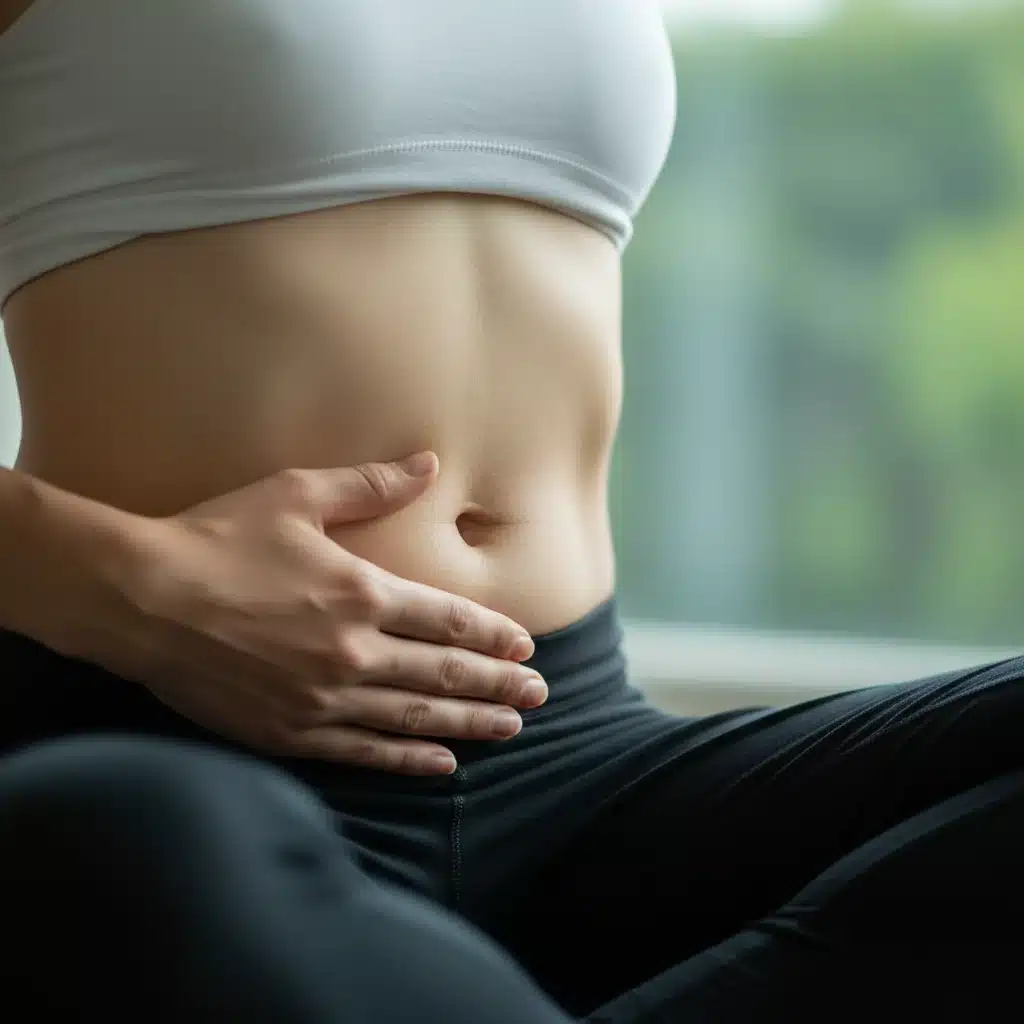
1. Diaphragmatic Breathing (Belly Breathing)
Often considered the foundation of all mindful breathing practices, diaphragmatic breathing encourages full, deep breaths that engage your diaphragm, a muscle located below your lungs. Most people tend to breathe shallowly, using only their upper chest. Shifting to belly breathing sends a powerful message of relaxation to your brain.
How to Practice:
- Lie on your back with your knees bent and feet flat on the floor, or sit comfortably in a chair.
- Place one hand on your chest and the other on your abdomen, just below your rib cage.
- Inhale slowly and deeply through your nose, feeling your abdomen rise as your diaphragm contracts and pulls air into the bottom of your lungs. Your chest hand should remain relatively still.
- Exhale slowly through your mouth (or nose), gently contracting your abdominal muscles to push the air out. Feel your abdomen fall.
- Repeat for 5-10 minutes, focusing on the rising and falling of your abdomen.
Benefits for Stress:
Directly stimulates the vagus nerve, immediately activating the parasympathetic nervous system. It’s excellent for grounding yourself and reducing acute stress responses.
2. 4-7-8 Breathing Technique (Relaxing Breath)
Developed by Dr. Andrew Weil, this technique is a powerful natural tranquilizer for the nervous system. It’s particularly effective for falling asleep, calming anxiety, and managing cravings.
How to Practice:
- Sit with your back straight.
- Place the tip of your tongue against the ridge of tissue just behind your upper front teeth, and keep it there throughout the entire breathing process.
- Exhale completely through your mouth, making a gentle ‘whoosh’ sound.
- Close your mouth and inhale quietly through your nose to a mental count of four.
- Hold your breath for a count of seven.
- Exhale completely through your mouth, making a ‘whoosh’ sound to a count of eight.
- This completes one breath. Inhale again and repeat the cycle three more times for a total of four breaths.
Benefits for Stress:
The breath retention and extended exhalation increase carbon dioxide in the blood, which has a calming effect, and further enhances parasympathetic activity. It’s a quick way to induce a state of relaxation.
3. Box Breathing (Square Breathing)
A simple yet potent technique used by Navy SEALs to maintain calm and focus under extreme pressure. It’s excellent for mental clarity and stress reduction.
How to Practice:
- Sit comfortably with your back supported.
- Exhale completely, pushing all the air out of your lungs.
- Inhale slowly through your nose for a count of four.
- Hold your breath for a count of four.
- Exhale slowly through your nose for a count of four.
- Hold your breath (lungs empty) for a count of four.
- Repeat this ‘square’ pattern for 5-10 minutes.
Benefits for Stress:
The equal intervals create a rhythmic, predictable pattern that calms the nervous system and improves concentration. It helps reset your breathing pattern and reduces hyperventilation often associated with stress.
4. Alternate Nostril Breathing (Nadi Shodhana)
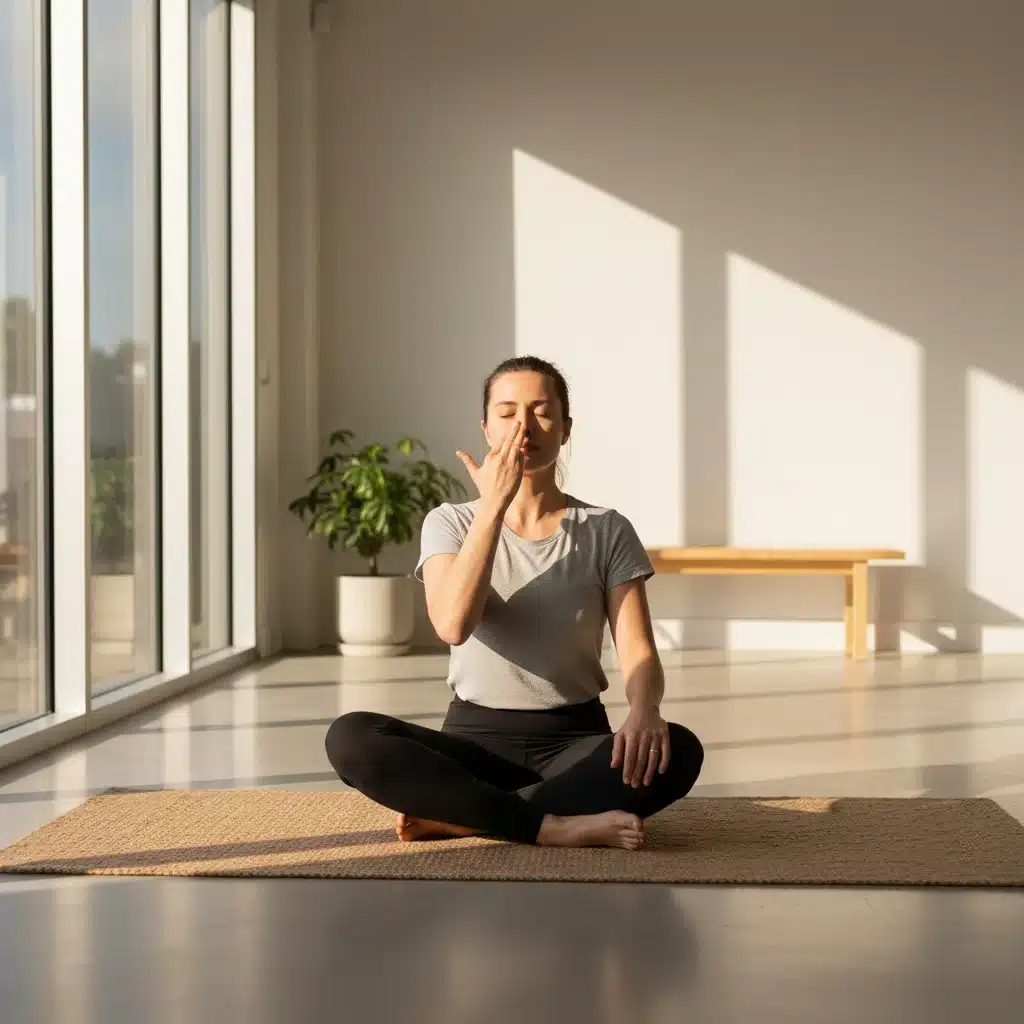
An ancient yogic technique known for balancing the left and right hemispheres of the brain, promoting mental clarity, and reducing anxiety. It’s excellent for bringing a sense of equilibrium.
How to Practice:
- Sit in a comfortable meditative posture.
- Close your right nostril with your right thumb.
- Inhale slowly and deeply through your left nostril.
- Close your left nostril with your ring finger (while keeping your right nostril closed with your thumb). Release your thumb from your right nostril.
- Exhale slowly and completely through your right nostril.
- Inhale through your right nostril.
- Close your right nostril with your thumb and release your ring finger from your left nostril.
- Exhale through your left nostril.
- This completes one round. Continue for 5-10 minutes, always starting with an exhale through the opposite nostril you just inhaled through.
Benefits for Stress:
Balances energy in the body and mind, reduces stress, and improves focus. It’s particularly good for calming an agitated mind and preparing for meditation or sleep.
5. Pursed-Lip Breathing
While often recommended for individuals with lung conditions, pursed-lip breathing is also a simple and effective technique for anyone experiencing shortness of breath or anxiety. It slows down your breathing and helps you feel more in control.
How to Practice:
- Relax your neck and shoulder muscles.
- Inhale slowly through your nose for two counts, keeping your mouth closed.
- Pucker your lips as if you’re about to whistle or gently blow out a candle.
- Exhale slowly and steadily through your pursed lips for a count of four or more. The exhalation should be at least twice as long as the inhalation.
- Repeat for 5-10 minutes.
Benefits for Stress:
By extending the exhalation, it helps to slow your heart rate and release trapped air in the lungs, making breathing more efficient and calming the nervous system. It’s an excellent technique for managing moments of panic or intense stress.
6. Lion’s Breath (Simhasana)
This dynamic and expressive breathing technique from yoga is surprisingly effective for releasing tension, frustration, and pent-up stress. It’s also great for stimulating the throat and facial muscles.
How to Practice:
- Sit comfortably, perhaps on your heels or cross-legged.
- Place your hands on your knees, fingers spread wide like a lion’s claws.
- Inhale deeply through your nose.
- As you exhale, open your mouth wide, stick out your tongue, and stretch it down towards your chin. Open your eyes wide and look up at your eyebrows (or the space between them).
- Exhale forcefully with a loud ‘HAAAA’ sound, contracting the muscles at the front of your throat.
- Repeat 3-5 times, or as needed to release tension.
Benefits for Stress:
Releases physical and emotional tension, especially in the jaw and throat. The forceful exhalation helps to expel stagnant energy and provides a cathartic release of stress and frustration. It’s invigorating and can shift your mood quickly.
7. Coherent Breathing (Resonance Breathing)
Coherent breathing involves breathing at a rate of about five breaths per minute, which is often achieved by inhaling for a count of five and exhaling for a count of five. This rhythm helps to optimize heart rate variability (HRV), a key indicator of nervous system health and resilience to stress.
How to Practice:
- Sit or lie comfortably.
- Inhale slowly and smoothly through your nose for a count of five.
- Exhale slowly and smoothly through your nose for a count of five.
- Continue this even, rhythmic breathing pattern for 10 minutes. The breath should be deep and originate from your diaphragm.
- You can use a timer or a guided audio to help you maintain the pace.
Benefits for Stress:
Optimizes the functioning of the autonomic nervous system by bringing the heart rate, circulation, and nervous system into a state of coherence. This leads to profound relaxation, improved emotional regulation, and enhanced resilience to stress. It’s a highly effective long-term practice for managing chronic stress and improving overall well-being.
Integrating Mindful Breathing into Your Daily Life
Mastering mindful breathing stress reduction isn’t just about practicing for 10 minutes; it’s about weaving these principles into the fabric of your day. Here are some strategies for consistent integration:
- Micro-Breaks: Don’t wait for your dedicated 10 minutes. If you feel stress building during a meeting, a difficult conversation, or while stuck in traffic, take 1-2 minutes for a few rounds of 4-7-8 breathing or box breathing. These micro-breaks can prevent stress from escalating.
- Trigger Association: Identify common stress triggers in your day (e.g., checking emails, waiting in line, starting a new task). Consciously pair these triggers with a few deep, mindful breaths. Over time, your body will begin to associate these situations with calm.
- Mindful Moments: Integrate conscious breathing into routine activities. While washing dishes, walking, or drinking water, bring your attention to your breath. Notice the sensations of each inhale and exhale. This transforms mundane tasks into opportunities for mindfulness.
- Before Sleep: Practicing coherent breathing or 4-7-8 breathing before bed can significantly improve sleep quality. It signals to your body that it’s time to rest and disengages the busy mind.
- Post-Workout Cool-down: Use diaphragmatic breathing after exercise to help your body transition from a sympathetic (active) state to a parasympathetic (recovery) state.
- Journaling and Reflection: After your 10-minute practice, take a moment to journal about how you feel. Noticing the positive changes can reinforce the habit and motivate you to continue.
Overcoming Common Challenges in Mindful Breathing
As with any new practice, you might encounter some hurdles. Here are common challenges and how to overcome them:
- Mind Wandering: This is completely normal. The goal isn’t to stop thoughts, but to notice them and gently bring your attention back to your breath. Each time you do this, you’re strengthening your ‘attention muscle.’
- Feeling Anxious: Sometimes, focusing on the breath can initially make you more aware of underlying anxiety. If this happens, try a gentler technique like pursed-lip breathing or focus on the sensations of your body rather than strictly counting. Shorten your practice time if needed.
- Difficulty Concentrating: If counting feels too rigid, simply focus on the natural rhythm of your breath – the cool air entering your nostrils, the slight rise and fall of your belly, the warmth of the air leaving.
- Lack of Time: Remember, even 2-3 minutes of focused breathing is beneficial. If you truly can’t find 10 minutes, break it into smaller segments. Consistency in small doses is more effective than sporadic long sessions.
- Physical Discomfort: Ensure your posture is comfortable. If sitting, use cushions for support. If lying down, place a pillow under your knees. Adjust as needed to minimize physical distractions.
Patience and self-compassion are your allies. There’s no ‘perfect’ way to breathe mindfully. The intention and consistent effort are what truly matter.
The 2026 Perspective: Long-Term Benefits and Future Trends
As we navigate 2026 and beyond, the emphasis on holistic well-being continues to grow. Mindful breathing stress techniques are not just a temporary fix; they are a fundamental skill for building long-term resilience and mental fortitude. The cumulative effect of daily practice extends far beyond immediate stress reduction:
- Enhanced Emotional Intelligence: By becoming more attuned to your internal state through breath awareness, you develop a greater capacity to understand and manage your emotions.
- Improved Cognitive Function: Regular mindful breathing can boost brain function, leading to better memory, problem-solving skills, and creativity.
- Stronger Immune System: Chronic stress suppresses the immune system. By reducing stress, mindful breathing indirectly supports a more robust immune response.
- Deeper Self-Awareness: The practice fosters a stronger connection to your inner self, leading to greater self-understanding and personal growth.
- Better Relationships: A calmer, more centered individual is better equipped to engage in healthier, more empathetic relationships.
Looking ahead, expect to see even greater integration of mindful breathing into mainstream health and wellness. Wearable tech will likely offer more sophisticated biofeedback for breath regulation, and virtual reality platforms may provide immersive guided breathing experiences. However, the core power of these techniques will always lie in their simplicity and accessibility, requiring no special equipment or expensive subscriptions.
Conclusion: Your Path to a Calmer 2026 and Beyond
The journey to reducing stress by 30% in 10 minutes a day through mindful breathing stress techniques is a powerful investment in your well-being. It’s a commitment to yourself, a promise to cultivate a calmer, more resilient inner world amidst the external chaos. The seven techniques outlined in this guide – from the foundational diaphragmatic breathing to the balancing Nadi Shodhana and the invigorating Lion’s Breath – offer a diverse toolkit to suit your needs and preferences.
Start small, be consistent, and approach your practice with curiosity and kindness. Remember that every breath is an opportunity to return to the present moment, to soothe your nervous system, and to reclaim a sense of peace. As 2026 unfolds, let your breath be your anchor, guiding you towards a life of greater calm, focus, and profound well-being. Embrace this ancient wisdom, empower yourself, and breathe your way to a healthier, happier you.