Indoor Air Quality 2026: Boost Family Respiratory Health by 30%
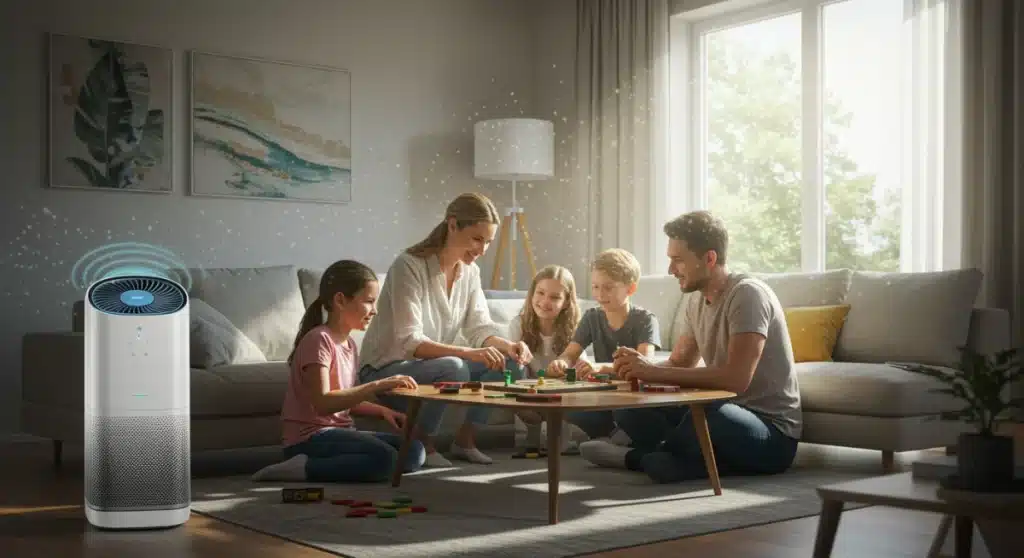
Improving indoor air quality in 2026 is crucial for family respiratory health, with simple yet effective actions capable of boosting well-being by 30% through cleaner home environments.
As we navigate 2026, understanding and enhancing our home environment has never been more critical. Focusing on indoor air quality is not just a trend; it’s a fundamental step toward safeguarding your family’s respiratory health, potentially improving it by a significant 30%. This guide offers practical, actionable strategies to transform your living spaces into havens of clean air.
Understanding the Invisible Threat: Indoor Air Pollutants
The air inside our homes, often perceived as safe, can harbor a complex mix of pollutants that silently impact our health. From microscopic particles to invisible gases, these contaminants accumulate, creating an environment that can exacerbate allergies, trigger asthma, and contribute to other respiratory ailments. Recognizing these threats is the first step towards effective mitigation.
Common Sources of Indoor Air Pollution
Many everyday activities and household items contribute to poor indoor air quality. Understanding these sources allows us to make informed choices and implement targeted solutions.
- Volatile Organic Compounds (VOCs): Emitted from paints, cleaning supplies, new furniture, and building materials, VOCs can cause headaches, nausea, and long-term health issues.
- Particulate Matter (PM2.5 and PM10): Tiny particles from cooking, candles, fireplaces, and outdoor air infiltration can penetrate deep into the lungs, leading to respiratory and cardiovascular problems.
- Biological Pollutants: Mold, mildew, pet dander, dust mites, and pollen thrive in humid environments and can trigger allergic reactions and asthma attacks.
- Carbon Monoxide (CO): An odorless, colorless gas produced by faulty combustion appliances (furnaces, water heaters), CO is extremely dangerous and can be fatal.
- Radon: A naturally occurring radioactive gas that seeps into homes from the ground, radon is a leading cause of lung cancer in non-smokers.
The cumulative effect of these pollutants can significantly diminish the overall health and well-being of family members, particularly children and the elderly, who are often more susceptible. Being aware of what lurks in our air empowers us to take proactive measures.
By identifying the specific pollutants prevalent in your home, you can tailor your approach to air purification and ventilation, ensuring that your efforts are both efficient and effective. This foundational knowledge is key to creating a truly healthy living space for your loved ones.
Strategic Ventilation: Your First Line of Defense
Ventilation is perhaps the most straightforward yet often overlooked method for improving indoor air quality. It involves replacing stale, polluted indoor air with fresh outdoor air, effectively diluting and removing contaminants. In 2026, smart ventilation systems are becoming increasingly common, offering automated solutions for optimal airflow.
Even without advanced systems, simple habits can make a significant difference. Opening windows and doors regularly, especially during and after activities that generate pollutants like cooking or cleaning, helps to flush out airborne toxins. Cross-ventilation, by opening windows on opposite sides of the house, creates a more efficient airflow.
Modern Ventilation Solutions for 2026 Homes
Technology has brought forth innovative ways to ensure continuous fresh air without significant energy loss.
- Heat Recovery Ventilators (HRVs) and Energy Recovery Ventilators (ERVs): These systems exchange indoor and outdoor air while transferring heat (HRV) or both heat and humidity (ERV), minimizing energy waste. They are ideal for maintaining comfortable indoor temperatures year-round.
- Smart Vents and Fans: Connected to smart home ecosystems, these devices can automatically adjust airflow based on indoor air quality sensor readings, ensuring optimal ventilation when needed.
- Kitchen and Bathroom Exhaust Fans: High-quality, properly ducted exhaust fans are essential for removing moisture, odors, and cooking fumes directly at the source, preventing them from spreading throughout the home.
Beyond these systems, simple acts like utilizing range hoods while cooking and running bathroom fans during and after showers contribute immensely to local air quality control. The goal is to create a constant, low-level exchange of air that prevents pollutant buildup.
Implementing strategic ventilation practices, whether through smart technology or consistent habits, forms a critical barrier against indoor air pollution. It’s an effective and energy-conscious way to ensure a continuous supply of fresh, clean air throughout your home, directly contributing to improved respiratory health for everyone.
The Power of Air Purification Systems
While ventilation brings in fresh air, air purifiers actively remove existing contaminants from the indoor environment. With advancements in filtration technology, 2026 offers highly efficient systems capable of capturing a wide range of pollutants, from microscopic particles to harmful gases.
Choosing the right air purifier depends on your specific needs and the types of pollutants you aim to address. HEPA filters are essential for capturing particulate matter, while activated carbon filters excel at absorbing odors and volatile organic compounds.
Key Air Purifier Technologies to Consider
The market is rich with options, each designed to tackle different aspects of indoor air pollution.
- HEPA Filters: High-Efficiency Particulate Air filters are the gold standard for removing airborne particles, including dust, pollen, pet dander, mold spores, and even some bacteria and viruses, with 99.97% efficiency for particles 0.3 microns in size.
- Activated Carbon Filters: These filters are crucial for adsorbing gases, odors, and VOCs, which HEPA filters cannot capture. They are particularly useful in kitchens, near pet areas, or in homes with new furniture.
- UV-C Light Purifiers: Some purifiers incorporate UV-C light to destroy airborne microorganisms like bacteria, viruses, and mold spores, adding an extra layer of protection against biological contaminants.
- Electrostatic Precipitators: These units charge particles as they pass through, then collect them on oppositely charged plates. They can be very effective but require regular cleaning to maintain efficiency.
Placement of air purifiers is also vital; strategic positioning in high-traffic areas or rooms where family members spend the most time maximizes their effectiveness. Regular maintenance, including filter replacement, is critical to ensure the purifiers continue to operate at peak performance.
Investing in a high-quality air purification system acts as a powerful complement to good ventilation, providing a robust defense against various indoor air pollutants. This dual approach ensures both the introduction of fresh air and the active removal of contaminants, significantly enhancing the overall air quality and supporting better respiratory health for your family.
Natural Solutions: Plants and Humidity Control
Beyond mechanical systems, nature offers its own set of tools for improving indoor air quality. Certain houseplants are known for their air-purifying capabilities, while maintaining optimal humidity levels is crucial for preventing mold growth and mitigating allergen spread.
Integrating houseplants into your home decor not only adds aesthetic appeal but also contributes to a healthier environment. These green companions naturally filter common toxins, making them a beautiful and effective addition to your indoor air strategy.
Top Air-Purifying Plants for Your Home
NASA studies have highlighted several plants particularly adept at removing specific indoor pollutants.
- Snake Plant (Sansevieria trifasciata): Known for filtering out formaldehyde, benzene, trichloroethylene, and xylene, even at night.
- Peace Lily (Spathiphyllum): Excellent for removing ammonia, benzene, formaldehyde, and trichloroethylene, and also helps humidify the air.
- Spider Plant (Chlorophytum comosum): Effective against formaldehyde and xylene, and safe for pets.
- Boston Fern (Nephrolepis exaltata ‘Bostoniensis’): A natural humidifier and an excellent filter for formaldehyde.
Humidity control is equally important. Ideal indoor humidity levels typically fall between 30% and 50%. Too high, and you risk mold and dust mite proliferation; too low, and you can experience dry skin, irritated airways, and increased susceptibility to viruses. Humidifiers and dehumidifiers, combined with proper ventilation, help maintain this delicate balance.
Embracing natural solutions like air-purifying plants and diligent humidity control offers a gentle yet powerful approach to enhancing indoor air quality. These methods work in harmony with mechanical systems to create a truly balanced and healthy living space, promoting better respiratory health for your entire family.
Regular Cleaning and Maintenance Protocols
Even the most advanced air purification systems cannot fully compensate for a lack of regular cleaning and maintenance. Dust, dirt, and allergens accumulate rapidly, becoming significant sources of indoor air pollution if not addressed consistently. Developing a routine is essential for a clean air environment.
The type of cleaning products you use also plays a crucial role. Many conventional cleaners release VOCs into the air, counteracting your efforts to improve air quality. Opting for eco-friendly, non-toxic alternatives is a simple yet impactful change.
Effective Cleaning Habits for Superior Air Quality
Implementing specific cleaning practices can drastically reduce indoor pollutants.
- Vacuum Regularly with HEPA Filter: Use a vacuum cleaner equipped with a HEPA filter to effectively capture dust, pet dander, and other allergens without recirculating them into the air. Focus on carpets, rugs, and upholstery.
- Dust Surfaces with Damp Cloths: Dry dusting can simply move particles around. A damp cloth captures dust more effectively, preventing it from becoming airborne.
- Wash Bedding Weekly: Bedding collects dust mites, pet dander, and dead skin cells. Washing in hot water (at least 130°F/54°C) helps eliminate these allergens.
- Clean Air Ducts and Vents: Periodically inspect and clean air ducts and HVAC vents to prevent dust and mold buildup, which can be distributed throughout your home.
- Minimize Clutter: Clutter provides more surfaces for dust to settle and can impede effective cleaning. A minimalist approach helps keep spaces cleaner.
Furthermore, regular maintenance of HVAC systems, including changing filters every 1-3 months, is non-negotiable. Dirty filters restrict airflow and can become breeding grounds for mold and bacteria, circulating these contaminants throughout your home.
By adopting a diligent cleaning and maintenance protocol, you actively reduce the sources of indoor air pollution at their root. This commitment to cleanliness, coupled with mindful product choices, forms a fundamental pillar in your strategy to achieve and maintain excellent indoor air quality for your family’s respiratory health.
Monitoring and Smart Home Integration in 2026
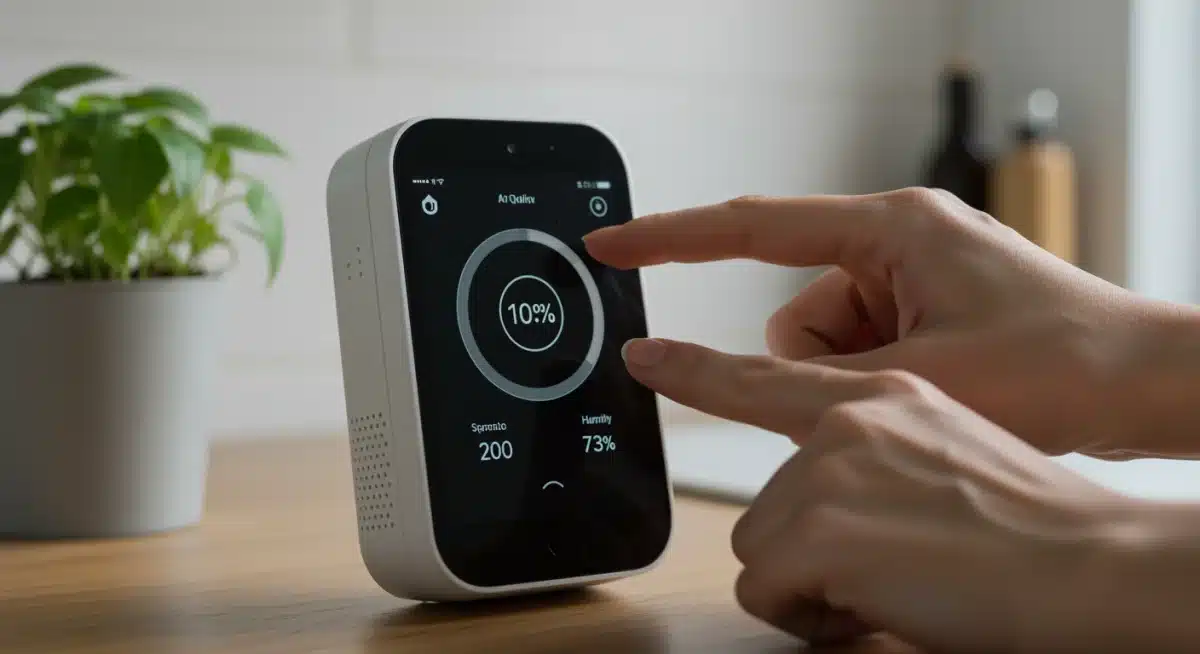
In 2026, smart home technology has made monitoring indoor air quality more accessible and proactive than ever before. Air quality monitors provide real-time data on various pollutants, empowering families to understand their environment and respond effectively.
Integrating these monitors with other smart home devices allows for automated responses, creating a truly intelligent and responsive healthy home ecosystem. This level of insight and control transforms air quality management from a reactive chore to a seamless, integrated process.
Leveraging Smart Technology for Air Quality
The advancements in smart home technology offer unprecedented control over your indoor environment.
- Smart Air Quality Monitors: These devices detect levels of particulate matter (PM2.5), VOCs, carbon dioxide (CO2), temperature, and humidity, often displaying data on an app and providing alerts.
- Integration with HVAC Systems: Many smart monitors can connect directly to your smart thermostat, triggering ventilation or air purification systems automatically when pollutant levels rise.
- Automated Purifier Control: Smart air purifiers can adjust their fan speed based on real-time air quality readings, ensuring efficient operation without constant manual intervention.
- Predictive Analytics: Advanced systems in 2026 can even use weather data and local pollution forecasts to proactively adjust ventilation and purification settings, anticipating potential issues before they impact indoor air.
Beyond automation, the educational aspect of these monitors is invaluable. Seeing real-time data helps families identify activities that negatively impact air quality (e.g., burning candles, using strong cleaning sprays) and adjust their habits accordingly. It fosters a greater awareness and a proactive mindset towards maintaining a healthy home.
Embracing monitoring and smart home integration in 2026 provides a powerful, data-driven approach to maintaining superior indoor air quality. This technological synergy ensures that your family is continuously breathing the cleanest possible air, contributing significantly to a 30% improvement in respiratory health and overall well-being.
| Key Action | Benefit for Health |
|---|---|
| Strategic Ventilation | Dilutes and removes indoor pollutants, bringing in fresh air. |
| Air Purification Systems | Actively filters out particles, allergens, odors, and VOCs. |
| Humidity Control | Prevents mold and dust mite growth, reduces respiratory irritation. |
| Smart Monitoring | Provides real-time data and automation for proactive air quality management. |
Frequently Asked Questions About Indoor Air Quality in 2026
In 2026, common indoor pollutants include volatile organic compounds (VOCs) from modern furnishings and cleaners, fine particulate matter from cooking and outdoor infiltration, biological allergens like mold and pet dander, and gases such as carbon monoxide and radon. Smart monitoring helps detect these effectively.
Smart home technology in 2026 allows for real-time air quality monitoring with sensors that detect various pollutants. These systems can automatically trigger smart air purifiers, adjust HVAC ventilation, or send alerts, enabling proactive management and maintaining optimal indoor air conditions without constant manual input.
Yes, certain houseplants like snake plants, peace lilies, and spider plants can effectively remove specific airborne toxins such as formaldehyde and benzene. While they offer a natural supplement to mechanical filtration, they are most effective when combined with good ventilation and dedicated air purifiers for comprehensive air quality improvement.
The ideal indoor humidity level for optimal respiratory health and preventing pollutant growth is generally between 30% and 50%. Maintaining this range helps deter mold and dust mites, reduces the spread of airborne viruses, and prevents issues like dry skin or irritated airways, contributing to a healthier living environment.
To maintain optimal indoor air quality, it’s recommended to change HVAC filters every 1 to 3 months, depending on filter type, usage, and household factors like pets or allergies. Regular changes prevent dust buildup, ensure efficient system operation, and reduce the circulation of airborne contaminants throughout your home.
Conclusion
Improving indoor air quality in 2026 is a multifaceted yet achievable goal essential for bolstering your family’s respiratory health by a significant margin. By integrating strategic ventilation, advanced air purification, natural solutions, diligent cleaning, and smart monitoring, you create a home environment that actively supports well-being. These simple, consistent steps empower you to transform your living spaces into havens of fresh, clean air, ensuring a healthier future for everyone under your roof.