Caregiver Wellness: Integrate Daily Movement for Health
Anúncios
Achieving Work-Life Wellness: Practical Solutions to Integrate 30 Minutes of Daily Movement for Caregivers, Based on 2026 Health Guidelines
Being a caregiver is a profound act of love and dedication, often demanding immense physical, emotional, and mental energy. While the focus is invariably on the well-being of the care recipient, it’s crucial to remember that a caregiver’s health is equally important. Neglecting one’s own needs can lead to burnout, stress, and a diminished capacity to provide quality care. This article delves into practical, actionable strategies for caregivers to integrate 30 minutes of daily movement into their routines, aligning with the anticipated 2026 health guidelines that emphasize consistent physical activity for overall wellness. Our core focus is on caregiver daily movement, providing a roadmap to sustainable health amidst demanding schedules.
Anúncios
The Critical Importance of Caregiver Daily Movement: Why 2026 Guidelines Matter
The landscape of health recommendations is constantly evolving, and the upcoming 2026 health guidelines are expected to place an even greater emphasis on regular physical activity for preventing chronic diseases, improving mental health, and enhancing longevity. For caregivers, these guidelines aren’t just recommendations; they’re a vital call to action. The physical demands of lifting, assisting with mobility, and performing household tasks can take a toll on the body. Moreover, the emotional stress associated with caregiving can manifest physically, leading to fatigue, muscle tension, and a weakened immune system. Integrating consistent caregiver daily movement is not a luxury; it’s a necessity for sustained well-being and effective caregiving.
Anúncios
Studies consistently show that even moderate physical activity, such as 30 minutes of brisk walking, can significantly reduce the risk of heart disease, diabetes, certain cancers, and improve mood and cognitive function. For caregivers, who often face elevated stress levels, regular movement acts as a powerful antidote, releasing endorphins that naturally alleviate stress and anxiety. Understanding these benefits is the first step towards prioritizing your health.
Understanding the Barriers: Why Caregiver Daily Movement is Often Neglected
Before we dive into solutions, it’s important to acknowledge the very real challenges that prevent caregivers from engaging in regular physical activity. Time constraints are arguably the biggest hurdle. A caregiver’s day is often dictated by the needs of their loved one, leaving little to no personal time. Fatigue, both physical and mental, is another significant barrier. After a long day of caregiving tasks, the thought of exercising can feel overwhelming. Guilt also plays a role; many caregivers feel guilty taking time for themselves when their loved one needs constant attention. Lack of accessible resources, financial limitations, and even the absence of a support system can further complicate efforts to incorporate movement.
Recognizing these barriers is not about making excuses, but about developing realistic and sustainable strategies. Our goal is to empower caregivers to overcome these obstacles by demonstrating that caregiver daily movement doesn’t require a gym membership or hours of free time. It’s about smart integration and prioritizing small, consistent efforts.
Strategic Integration: Finding Time for 30 Minutes of Caregiver Daily Movement
The idea of finding a solid 30-minute block for exercise can seem impossible. The key is often to break it down. The 2026 guidelines, like current recommendations, will likely support accumulated activity throughout the day. This means three 10-minute bursts of activity can be just as effective as one 30-minute session. Here are some practical ways to weave movement into your day:
- Morning Boost (10 minutes): Start your day with a quick burst of activity. This could be a few rounds of sun salutations if you’re into yoga, some vigorous stretching, or even just dancing to your favorite song while making breakfast. The goal is to wake up your body and get your blood flowing.
- Mid-Day Micro-Breaks (5-10 minutes each): Look for opportunities during natural lulls in your caregiving routine. Is your loved one napping? Are they engaged in an activity that doesn’t require your immediate attention? Use these moments for quick, intense bursts of movement. This could be walking laps around the house, going up and down stairs a few times, or doing a series of squats and lunges.
- Evening Wind-Down (10 minutes): Before dinner or as part of your evening routine, incorporate some gentle movement. A short, slow walk around the block, some restorative yoga, or even active stretching can help release tension from the day and prepare your body for rest.
Remember, the goal is consistency. Even on the busiest days, aim for at least 10-15 minutes. Small efforts add up and contribute significantly to your overall health and ability to provide care.
Creative Ways to Incorporate Movement with Your Loved One
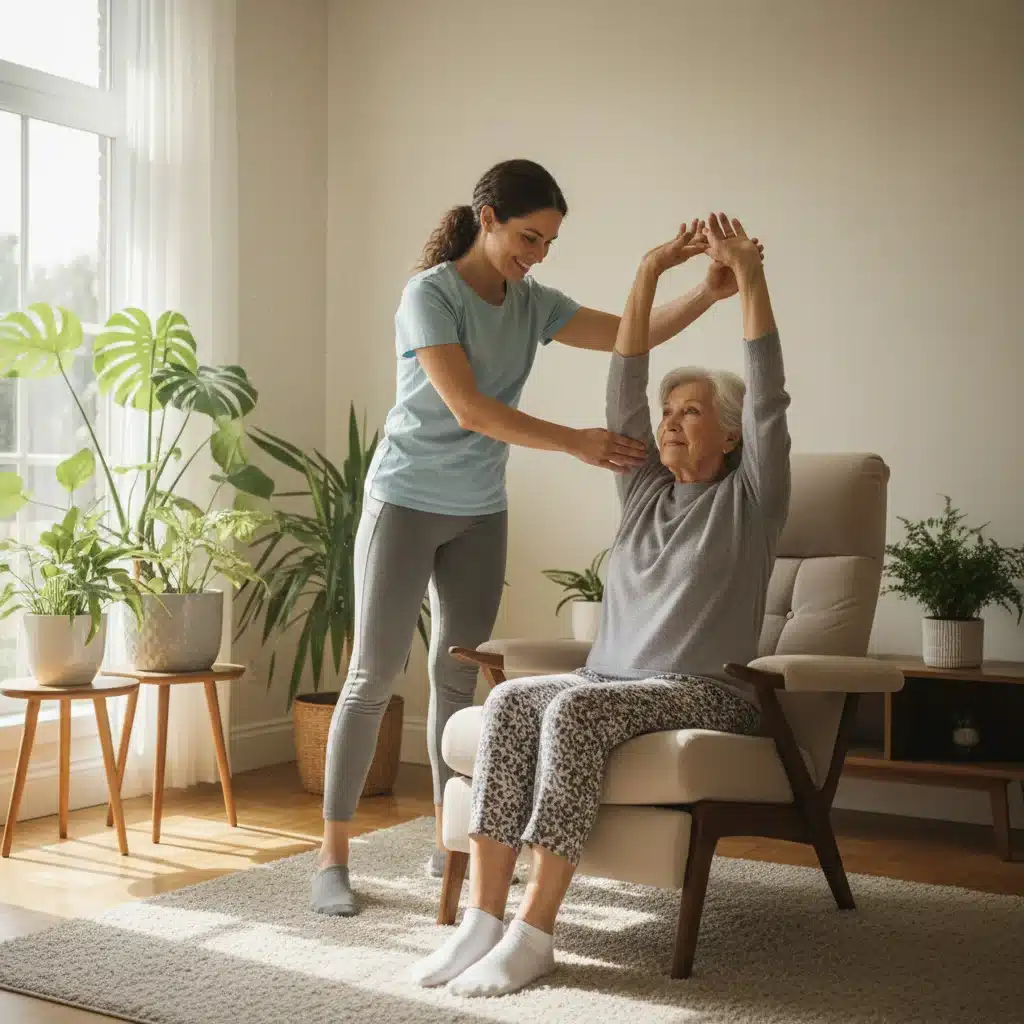
One of the most effective ways to integrate caregiver daily movement is to do it with your care recipient, if their condition allows. This not only benefits you but also provides companionship and promotes activity for them. Here are some ideas:
- Shared Walks: If your loved one is mobile, take short, frequent walks together. Even a slow pace is beneficial. Explore a park, walk around the garden, or simply stroll down the hallway.
- Chair Exercises: Many exercises can be done while seated. Look up chair yoga or chair aerobics routines online that you can do together. This is excellent for improving circulation and flexibility.
- Active Chores: Turn household chores into opportunities for movement. Put on some music while cleaning, make vacuuming a more vigorous activity, or involve your loved one in light gardening tasks.
- Dance Parties: Put on some upbeat music and have a mini dance party. Laughter and movement are powerful stress relievers.
By making movement a shared activity, you transform a chore into a bonding experience, benefiting both your physical and emotional health.
Practical Exercises for Busy Caregivers: Maximizing Your 30 Minutes
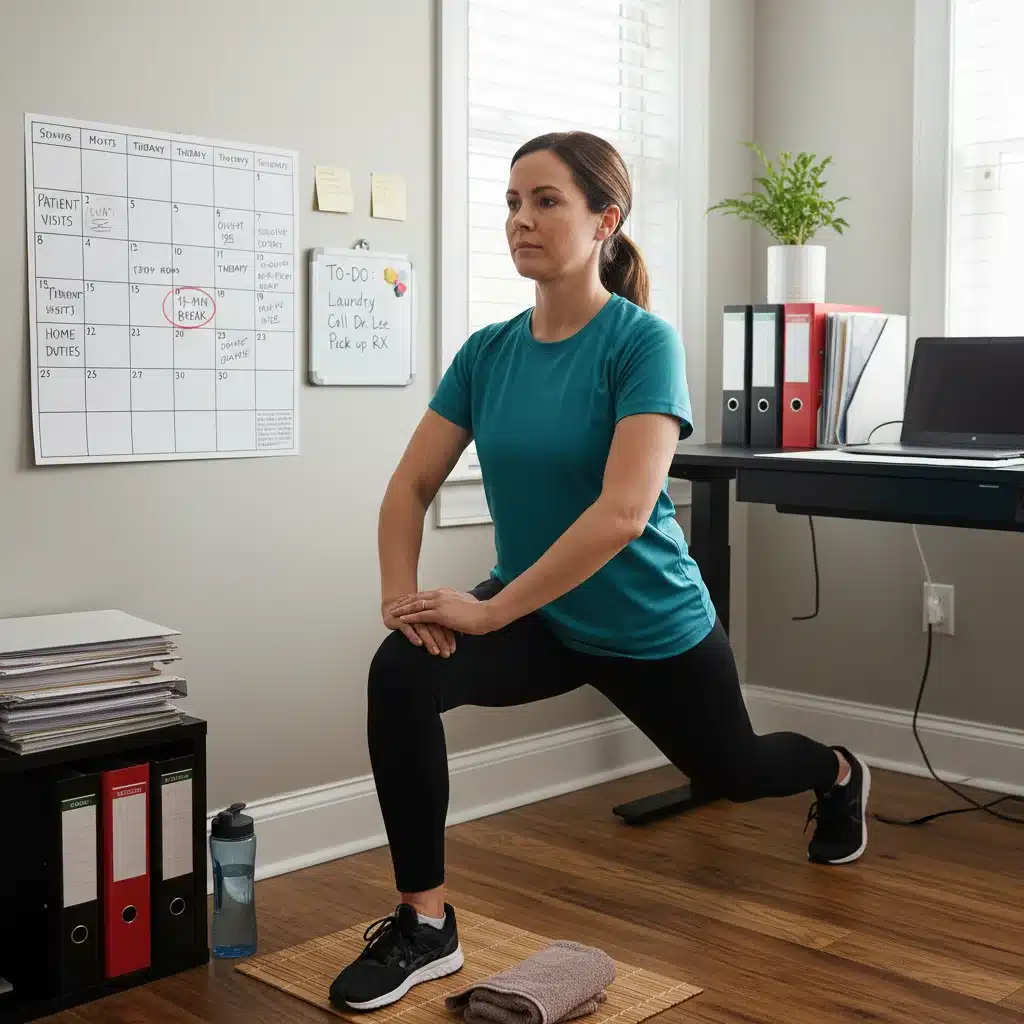
When time is limited, efficiency is key. Focus on compound movements that work multiple muscle groups and elevate your heart rate quickly. Here are some examples of effective exercises you can do almost anywhere:
- Bodyweight Squats: Excellent for strengthening legs and glutes. Do 3 sets of 10-15 repetitions.
- Lunges: Another great lower body exercise. Alternate legs, doing 3 sets of 10-12 per leg.
- Push-ups (modified on knees or against a wall if needed): Builds upper body and core strength. Aim for 3 sets of as many as you can do with good form.
- Plank: A fantastic core strengthener. Hold for 30-60 seconds, repeat 3 times.
- Stair Climbing: If you have stairs, use them! Go up and down for 5-10 minutes for a great cardio and leg workout.
- Brisk Walking/Jogging in Place: If you can’t leave the house, marching or jogging in place can get your heart rate up quickly.
- Stretching and Flexibility: Don’t forget to incorporate stretching. It improves range of motion, reduces muscle soreness, and helps prevent injuries. Focus on major muscle groups like hamstrings, quads, chest, and back.
Remember to listen to your body and modify exercises as needed. Consistency is more important than intensity, especially when you’re starting out. Prioritizing caregiver daily movement will yield significant returns in your overall energy and resilience.
Setting Realistic Goals and Tracking Progress for Sustainable Caregiver Daily Movement
Starting a new routine can be challenging, but setting realistic goals and tracking your progress can provide motivation and a sense of accomplishment. Begin with what feels manageable, even if it’s just 5-10 minutes of activity a few times a day. Gradually increase the duration or intensity as your stamina improves. Here’s how to make it sustainable:
- Start Small: Don’t aim for perfection from day one. If 30 minutes seems daunting, start with 10-15 minutes and gradually build up.
- Schedule It: Treat your movement time like any other important appointment. Put it on your calendar or set reminders on your phone.
- Track Your Activity: Use a simple journal, a fitness tracker, or a smartphone app to log your daily movement. Seeing your progress can be incredibly motivating.
- Reward Yourself: Acknowledge your efforts! When you hit a milestone, reward yourself with something non-food related, like a new book, a relaxing bath, or an hour of uninterrupted quiet time.
The journey of incorporating caregiver daily movement is ongoing. There will be days when you miss your goals, and that’s okay. The key is to not give up and to get back on track the next day.
Leveraging Technology and Community for Enhanced Caregiver Daily Movement
In today’s interconnected world, numerous resources can support caregivers in their fitness journey. Technology offers convenient ways to access workouts and track progress, while community connections provide invaluable support and motivation.
- Fitness Apps and Online Workouts: Many free or low-cost apps offer guided workouts that can be done at home with minimal equipment. Look for apps specifically designed for short, effective routines. YouTube is also a treasure trove of free workout videos, from gentle stretching to high-intensity interval training (HIIT).
- Wearable Devices: Smartwatches and fitness trackers can monitor your steps, heart rate, and even sleep patterns, providing valuable insights into your activity levels and overall health.
- Virtual Support Groups: Connect with other caregivers online. Sharing experiences and tips can provide emotional support and practical advice for staying active.
- Local Community Programs: Check with your local community centers, senior centers, or public health departments. They often offer free or low-cost exercise classes, walking groups, or caregiver support programs.
Remember, you don’t have to do this alone. Leveraging these resources can make the path to consistent caregiver daily movement much smoother and more enjoyable.

Nutrition and Hydration: Fueling Your Caregiver Daily Movement
Physical activity goes hand-in-hand with proper nutrition and hydration. As a caregiver, you need sustained energy to meet the demands of your day. Focusing on a balanced diet and adequate water intake will not only support your exercise efforts but also boost your overall health.
- Prioritize Whole Foods: Aim for a diet rich in fruits, vegetables, whole grains, and lean proteins. These foods provide essential nutrients and sustained energy, preventing energy crashes that can make movement feel impossible.
- Meal Prep: On days when you have a little extra time, prepare healthy meals and snacks in advance. This prevents reaching for less nutritious options when you’re tired and hungry.
- Stay Hydrated: Keep a water bottle handy and sip throughout the day. Dehydration can lead to fatigue and reduced physical performance.
- Healthy Snacking: Opt for nutrient-dense snacks like nuts, seeds, fruit, or yogurt to keep your energy levels stable between meals.
By fueling your body properly, you enhance your capacity for caregiver daily movement and improve your overall resilience.
The Ripple Effect: Benefits Beyond Physical Health
While the primary focus of integrating caregiver daily movement is often physical health, the benefits extend far beyond. Regular physical activity has a profound impact on mental and emotional well-being, which is critically important for caregivers.
- Stress Reduction: Exercise is a powerful stress reliever. It helps to clear your mind, reduce anxiety, and improve your ability to cope with daily pressures.
- Improved Sleep: Consistent movement can lead to better quality sleep, which is often elusive for caregivers. Deeper, more restorative sleep can significantly improve your energy levels and mood.
- Enhanced Mood and Cognitive Function: Physical activity stimulates the release of endorphins, which have mood-boosting effects. It can also improve focus, memory, and problem-solving skills, making you a more effective and patient caregiver.
- Increased Self-Esteem and Confidence: Taking time for yourself and achieving fitness goals, no matter how small, can boost your self-esteem and give you a sense of control and accomplishment.
- Social Connection: If you join a walking group or a class, movement can also provide opportunities for social interaction, combating feelings of isolation that caregivers sometimes experience.
Investing in your caregiver daily movement is an investment in your entire well-being, creating a positive ripple effect that benefits everyone around you.
Conclusion: Prioritizing Your Health for Sustainable Caregiving
The journey of caregiving is challenging, but it doesn’t have to come at the cost of your own health. Integrating 30 minutes of caregiver daily movement, broken down into manageable segments, is a critical step towards achieving work-life wellness and adhering to future health guidelines. By understanding the importance, overcoming barriers, and employing strategic integration, caregivers can transform their routines to prioritize their physical and mental well-being.
Remember, self-care is not selfish; it’s essential. A healthy, energized caregiver is better equipped to provide compassionate and effective care. Start small, be consistent, and leverage the resources available to you. Your commitment to daily movement is an act of love – not just for your loved one, but for yourself. Embrace the 2026 health guidelines as a catalyst for a healthier, more balanced caregiving journey. Your well-being matters.