Digital Detox 2026: A 3-Week Plan to Reduce Screen Time by 25% and Enhance Mental Clarity

In an increasingly hyper-connected world, the lines between our digital and physical lives have blurred, often to the detriment of our well-being. We’re constantly bombarded with notifications, endless feeds, and the relentless pressure to be “always on.” This pervasive digital presence, while offering undeniable benefits, has also led to a rise in digital fatigue, decreased attention spans, and a general sense of overwhelm. If you’re reading this, chances are you’ve felt the subtle (or not-so-subtle) pull of your devices, and you’re ready for a change. You’re not alone. The concept of a digital detox has moved from a niche wellness trend to a mainstream necessity, and for good reason.
The year 2026 presents a unique opportunity to re-evaluate our relationship with technology. With advancements continuing at a rapid pace, it’s more crucial than ever to establish healthy boundaries. This comprehensive guide outlines a powerful digital detox plan, specifically designed to help you reduce your screen time by a significant 25% over three weeks, ultimately enhancing your mental clarity and overall quality of life. This isn’t about abandoning technology forever; it’s about mastering it, rather than being mastered by it. It’s about intentional use, reclaiming your focus, and rediscovering the joy of the present moment.
Understanding the Need for a Digital Detox Plan
Before diving into the practical steps of our digital detox plan, it’s essential to understand why such an intervention is necessary. Our brains are not designed for the constant stimulation that modern technology provides. The dopamine hits from likes, shares, and new messages create a compulsive loop, making it difficult to disengage. This constant engagement has several documented negative effects:
- Reduced Attention Span: The rapid-fire nature of digital content trains our brains to expect instant gratification, making it harder to focus on long-form tasks or deep work.
- Increased Anxiety and Stress: The pressure to maintain an online persona, fear of missing out (FOMO), and exposure to curated (often unrealistic) lives can significantly elevate anxiety levels.
- Sleep Disturbances: The blue light emitted from screens interferes with melatonin production, disrupting our natural sleep cycles and leading to poor quality sleep.
- Eye Strain and Headaches: Prolonged screen use can lead to digital eye strain, characterized by dry eyes, blurred vision, and headaches.
- Decreased Productivity: While technology promises efficiency, constant interruptions from notifications and the allure of social media often lead to reduced actual productivity.
- Impaired Social Connections: Paradoxically, while designed to connect us, excessive digital interaction can sometimes lead to a decline in meaningful in-person relationships.
- Mental Fog and Lack of Clarity: The sheer volume of information consumed daily can lead to mental exhaustion, making it difficult to think clearly, make decisions, or engage in creative problem-solving.
Recognizing these impacts is the first crucial step towards committing to a successful digital detox plan. This isn’t about deprivation; it’s about liberation and creating space for what truly matters.
Setting Realistic Goals: The 25% Reduction Target
Our goal for this digital detox plan is a 25% reduction in screen time over three weeks. Why 25%? It’s significant enough to feel impactful but not so drastic that it becomes unsustainable or overwhelming. A gradual reduction allows your brain and habits to adjust, making the changes more likely to stick in the long term. To achieve this, you first need to understand your current screen time. Most smartphones and many operating systems now have built-in screen time trackers. Spend a few days (ideally a full week) monitoring your usage without judgment. This baseline data will be invaluable.
For example, if your average daily screen time is 6 hours, a 25% reduction would mean aiming for 4.5 hours per day by the end of the three weeks. This might seem challenging, but with the structured approach outlined below, it’s entirely achievable. Remember, this isn’t about perfection, but progress. Some days you might hit your target, others you might fall short. The key is consistency and a commitment to the process.
The 3-Week Digital Detox Plan: A Phased Approach
Week 1: Awareness & Initial Boundaries
The first week of your digital detox plan focuses on building awareness and implementing initial, manageable boundaries. This is about observing your habits and gently nudging them in a healthier direction.
Day 1-3: Track and Observe
- Baseline Measurement: Continue tracking your screen time diligently. Identify your “peak usage” times and the apps you spend the most time on. Is it social media in the morning? Endless scrolling before bed? Gaming in the afternoon?
- Mindful Usage: Before opening an app, ask yourself: “Why am I opening this? What is my intention?” This simple question can break the automatic habit loop.
- Notification Audit: Go through your phone settings and turn off all non-essential notifications. Keep only those that are truly urgent (e.g., calls from family, work-critical alerts). This is a game-changer for reducing interruptions.
Day 4-7: Introduce “No-Phone Zones” and Time Blocks
- Bedroom Ban: Designate your bedroom as a no-phone zone, especially an hour before bed and upon waking. Invest in an old-fashioned alarm clock. This is crucial for improving sleep quality.
- Mealtime Mindfulness: Make meals sacred, device-free times. Engage in conversation with family or simply enjoy your food in silence.
- Dedicated “Deep Work” Blocks: Schedule specific times for focused work or activities where your devices are put away or on “Do Not Disturb.”
- Identify Triggers: Pay attention to what triggers you to reach for your phone. Is it boredom, stress, loneliness, or a specific emotion? Understanding your triggers helps you find alternative coping mechanisms.
By the end of Week 1, you should have a clearer picture of your digital habits and have started to implement small, but significant, changes. Aim for a 5-10% reduction in screen time this week.
Week 2: Deepening the Disconnect & Exploring Alternatives
Week 2 of your digital detox plan builds on the foundation laid in Week 1, encouraging you to deepen your disconnect and actively seek out fulfilling offline activities.
Day 8-10: Digital Fasting & App Management
- Half-Day Digital Fast: Choose a half-day (e.g., Saturday morning) where you completely abstain from non-essential digital devices. Use this time for personal reflection, hobbies, or spending time in nature.
- App Deletion/Relocation: Delete social media apps or other time-wasting apps from your phone. If you can’t delete them, move them to a less accessible folder or the last screen, making them harder to impulsively open.
- Grayscale Mode: Experiment with putting your phone in grayscale mode. The lack of vibrant colors can make the device less appealing and reduce compulsive checking.
Day 11-14: Embrace Offline Hobbies & Real-World Connections
- Rediscover Hobbies: Actively engage in hobbies that don’t involve screens. Read a physical book, paint, knit, play an instrument, garden, cook, or go for a walk.
- Scheduled “Connection Time”: Instead of endless scrolling, intentionally schedule calls or meet-ups with friends and family. Prioritize face-to-face interactions.
- Mindful Breaks: During work or study, instead of reaching for your phone during breaks, try stretching, looking out a window, or making a cup of tea.

By the end of Week 2, you should be experiencing noticeable shifts in your habits and a greater sense of control over your digital usage. Aim for an additional 10-15% reduction in screen time, bringing your total reduction to 15-25%.
Week 3: Sustaining Habits & Future-Proofing Your Digital Wellness
The final week of your digital detox plan is about solidifying your new habits and creating a sustainable framework for long-term digital wellness. This is where the real mental clarity begins to shine through.
Day 15-18: Reflect & Refine
- Journaling: Reflect on your journey so far. What changes have you noticed in your mood, sleep, focus, and relationships? What challenges did you face, and how did you overcome them?
- Identify “Essential” vs. “Non-Essential” Tech: Clearly define which digital tools genuinely serve your goals and well-being, and which are merely distractions.
- Digital Declutter: Unsubscribe from unnecessary email lists, unfollow accounts that don’t add value, and delete old files or photos you no longer need. A clean digital space can lead to a clear mind.
Day 19-21: Establish Long-Term Strategies
- Create a Digital Wellness Charter: Develop your own set of rules for technology use. This might include specific screen-free hours, limits on certain apps, or designated “digital sabbaths.”
- Schedule “Check-in” Times: Instead of constantly checking, schedule specific times to respond to emails, messages, or browse social media.
- Communicate Your Boundaries: Inform friends, family, and colleagues about your new digital habits. This helps manage expectations and gain support.
- Embrace Analog Tools: Reintegrate analog tools into your life – a physical planner, notebooks, pens, or even a good old-fashioned map.
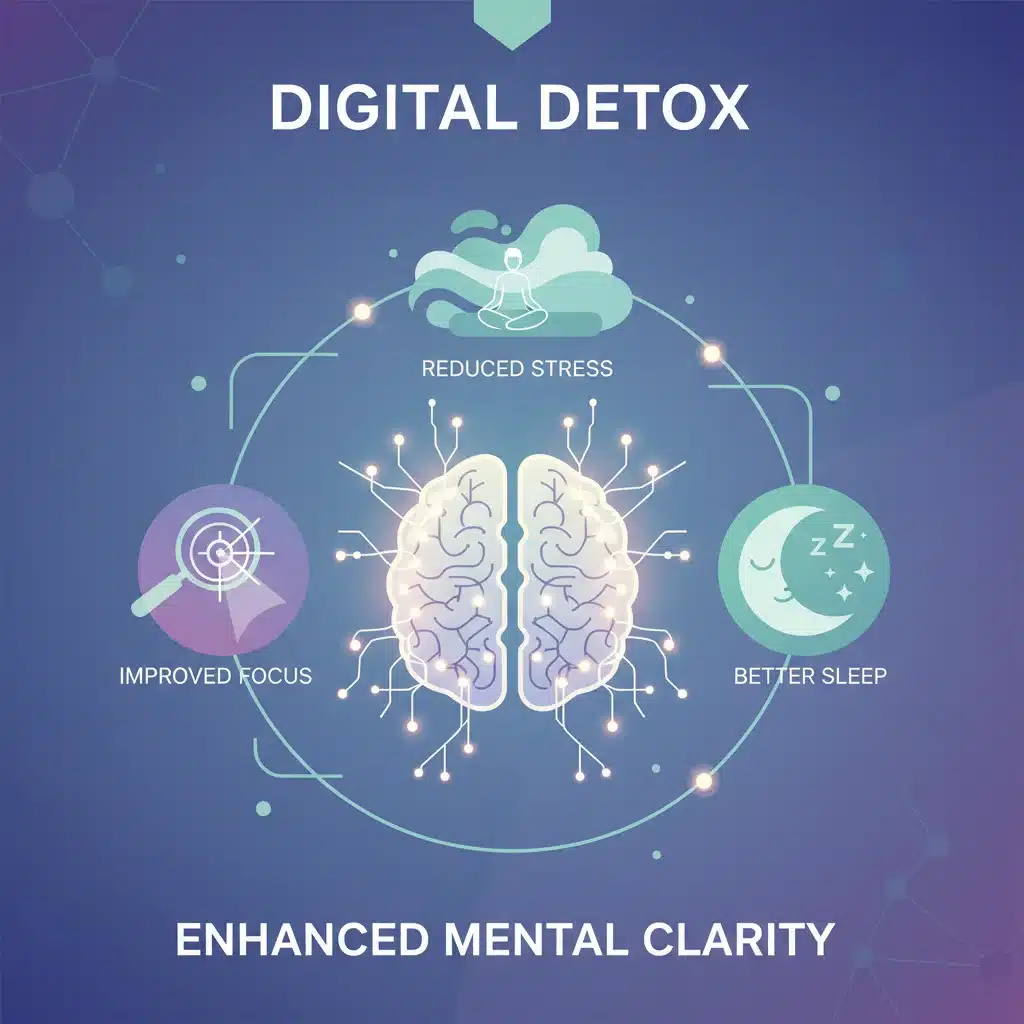
By the end of Week 3, you should have comfortably reached or exceeded your 25% screen time reduction goal, and more importantly, cultivated a healthier, more intentional relationship with technology. The enhanced mental clarity and improved focus will be undeniable.
Enhancing Mental Clarity: Beyond Screen Time Reduction
While reducing screen time is the primary goal of this digital detox plan, the true reward is the enhancement of mental clarity. When your brain isn’t constantly processing new information and notifications, it has space to breathe, to process, and to create. Here are additional strategies to amplify your mental clarity during and after your detox:
- Mindfulness and Meditation: Regular mindfulness practices, even just 5-10 minutes a day, can significantly improve focus, reduce stress, and cultivate a sense of calm.
- Nature Exposure: Spending time outdoors, whether it’s a walk in the park or a hike in the mountains, has been proven to reduce mental fatigue and boost cognitive function.
- Sufficient Sleep: Prioritize 7-9 hours of quality sleep per night. A well-rested brain functions optimally, leading to better decision-making and problem-solving.
- Balanced Nutrition: Fuel your brain with nutrient-rich foods. Omega-3 fatty acids, antioxidants, and adequate hydration are crucial for cognitive health.
- Physical Activity: Exercise increases blood flow to the brain, enhancing memory, focus, and overall cognitive performance.
- Journaling: Writing down your thoughts and feelings can help process emotions, gain perspective, and clear mental clutter.
- Deep Breathing Exercises: Simple breathing techniques can calm the nervous system, reduce anxiety, and bring you back to the present moment.
Overcoming Challenges and Staying Motivated
Embarking on a digital detox plan isn’t always easy. You might encounter resistance, boredom, or the temptation to revert to old habits. Here’s how to navigate common challenges:
- Boredom: View boredom as an opportunity for creativity and self-discovery. Instead of reaching for your phone, ask yourself what you truly want to do.
- FOMO (Fear Of Missing Out): Remind yourself that you’re not missing out on anything truly important. You’re gaining more time, focus, and peace. Real connections happen offline.
- Social Pressure: Explain your detox to friends and family. Ask for their support and understanding. You might even inspire them to join you!
- Work/Study Requirements: Differentiate between essential and non-essential digital use. Use tools like website blockers during work hours if necessary.
- Relapse: If you slip up, don’t despair. Acknowledge it, learn from it, and gently guide yourself back to your plan. Progress, not perfection, is the goal.
- Celebrate Small Wins: Acknowledging your progress, no matter how small, can provide a significant boost to your motivation.
The Long-Term Benefits of a Sustainable Digital Detox
Completing this 3-week digital detox plan is just the beginning. The goal is to integrate these practices into a sustainable lifestyle that prioritizes your well-being. The long-term benefits are profound and far-reaching:
- Improved Sleep Quality: Consistent screen-free evenings lead to deeper, more restorative sleep.
- Enhanced Relationships: Being fully present with loved ones strengthens bonds and fosters deeper connections.
- Increased Productivity and Focus: A less distracted mind is a more productive mind, allowing for deeper work and greater accomplishments.
- Reduced Stress and Anxiety: Less exposure to digital stressors leads to a calmer, more resilient mental state.
- Greater Creativity: When your mind isn’t constantly stimulated, it has the space to wander, imagine, and innovate.
- Better Physical Health: Less sedentary screen time often translates to more physical activity and better posture.
- A Stronger Sense of Self: Disconnecting from external validation allows you to reconnect with your inner self, values, and passions.
- More Time for What Matters: Reclaim hours each day that were once lost to mindless scrolling, and dedicate them to personal growth, hobbies, or quality time.
Conclusion: Reclaiming Your Life in the Digital Age of 2026
The year 2026 doesn’t have to be defined by an ever-increasing digital dependency. With this structured 3-week digital detox plan, you have the power to reshape your relationship with technology, reduce your screen time by a meaningful 25%, and unlock a new level of mental clarity and well-being. This journey is an investment in yourself, your health, and your future. It’s about intentional living, conscious choices, and rediscovering the richness of a life lived beyond the screen. Start today, commit to the process, and prepare to experience the transformative power of a digital reset. Your mind, body, and spirit will thank you for it.