US Caregiver Legal Protections 2026: Key Policy Updates & Rights

Anúncios
The landscape of caregiving in the United States is constantly evolving, driven by demographic shifts, medical advancements, and a growing recognition of the invaluable contributions made by millions of unpaid caregivers. As we look towards 2026, significant legal and policy updates are on the horizon, promising to reshape the rights and protections afforded to US caregivers. For anyone involved in caregiving, whether for an aging parent, a child with special needs, or a spouse with a chronic illness, understanding these changes is not just beneficial—it’s essential for navigating the complexities of their role and ensuring their own well-being.
Anúncios
This comprehensive guide aims to provide an insider’s look into the anticipated legal protections for US caregivers in 2026. We’ll delve into the federal and state-level initiatives, explore potential financial and employment safeguards, and discuss how these changes could empower caregivers and alleviate some of the burdens they face. Our focus is on providing actionable insights and a clear understanding of the evolving legal framework, ensuring that US caregivers are well-equipped to advocate for themselves and those they care for.
Anúncios
The Evolving Landscape of US Caregiver Protections
Caregiving, often described as a labor of love, is a demanding role that can impact every aspect of a person’s life, from their physical and mental health to their financial stability and career progression. Historically, legal protections for US caregivers have been fragmented and often insufficient, leaving many feeling isolated and unsupported. However, recent years have seen a growing bipartisan recognition of the need to better support caregivers, leading to a surge in legislative efforts at both federal and state levels. The year 2026 is poised to be a pivotal moment, with several key policies expected to come into full effect or undergo significant revisions.
The demographic reality of an aging population, coupled with an increasing number of individuals living with chronic conditions and disabilities, means that the demand for caregiving services is at an all-time high. This societal shift has brought the challenges faced by US caregivers into sharper focus, prompting policymakers to consider more robust and comprehensive legal frameworks. These frameworks are designed not only to protect caregivers from discrimination and financial hardship but also to recognize their vital role in the healthcare ecosystem and the economy as a whole.
Understanding these evolving legal protections is crucial for several reasons. Firstly, it allows caregivers to assert their rights and access available resources. Secondly, it helps them plan for the future, both for their care recipients and for themselves. Finally, it empowers them to become advocates for further change, contributing to a more supportive and equitable caregiving environment for everyone.
Federal Initiatives Shaping US Caregiver Protections in 2026
At the federal level, several initiatives are expected to play a significant role in enhancing US caregiver protections by 2026. These efforts often aim to establish a baseline of support and recognition that states can then build upon. Key areas of focus include financial relief, employment protections, and improved access to resources and training.
The RAISE Family Caregivers Act Implementation
The Recognize, Assist, Include, Support, and Engage (RAISE) Family Caregivers Act, signed into law in 2018, mandated the development of a national strategy to support family caregivers. By 2026, the recommendations from the RAISE Family Caregiving Advisory Council are expected to be fully integrated into policy and practice. This national strategy aims to identify best practices and offer recommendations to federal, state, and local governments, as well as private entities, on how to best support family caregivers. For US caregivers, this means a more coordinated approach to support services, potentially leading to improved access to respite care, training, and financial planning resources.
Potential Expansion of FMLA for Caregivers
The Family and Medical Leave Act (FMLA) currently allows eligible employees to take unpaid, job-protected leave for specific family and medical reasons. While FMLA provides some relief, its limitations, such as unpaid leave and eligibility requirements, often leave many US caregivers without adequate protection. There is ongoing discussion and legislative push for an expansion of FMLA, potentially including paid family leave options and broader definitions of who qualifies as a care recipient. By 2026, we could see incremental improvements or even significant overhauls that would provide greater job security and financial stability for caregivers who need to take time off work to care for a loved one.
Tax Credits and Financial Assistance Programs
Financial strain is one of the most significant challenges for US caregivers. Federal policy discussions often revolve around expanding tax credits and direct financial assistance programs. The Credit for Caring Act, for example, has been repeatedly introduced in Congress, aiming to provide a federal tax credit for eligible family caregivers. While not yet law, the momentum behind such initiatives suggests that by 2026, new or expanded tax benefits could be available to help offset caregiving expenses, such as medical supplies, in-home care, or transportation. Additionally, programs like the National Family Caregiver Support Program (NFCSP), administered by the Administration for Community Living (ACL), may see increased funding and expanded services, offering more direct support to caregivers through grants, counseling, and respite care.
State-Level Innovations in Caregiver Support
While federal initiatives lay a foundational framework, many of the most innovative and impactful legal protections for US caregivers originate at the state level. States often serve as laboratories for policy experimentation, tailoring solutions to meet the unique needs of their populations. By 2026, we anticipate several states will have implemented or significantly advanced policies in areas such as caregiver registries, workplace flexibility, and Medicaid waivers.
Caregiver Registries and Training Programs
Several states are exploring or have already established caregiver registries or certification programs. These initiatives aim to recognize the skills and experience of family caregivers, sometimes even offering stipends or payment for their services, particularly when caring for Medicaid beneficiaries. These programs can provide valuable training, helping caregivers develop specialized skills and connect with essential resources. By 2026, we could see more widespread adoption of such programs, offering both financial recognition and professional development opportunities for US caregivers.
Workplace Flexibility and Anti-Discrimination Laws
Many states are enacting laws that go beyond federal FMLA requirements to provide greater workplace flexibility for caregivers. This includes mandates for paid family leave, expanded sick leave policies that cover care for family members, and anti-discrimination laws that protect caregivers from adverse employment actions based on their caregiving responsibilities. States like California, New York, and Washington have been pioneers in paid family leave, and by 2026, more states are expected to follow suit, offering a critical safety net for US caregivers who need to balance work and caregiving duties without sacrificing their income or job security.

Medicaid Waivers and Self-Directed Care Programs
Medicaid waivers are crucial for many US caregivers, allowing states to offer home and community-based services (HCBS) that keep individuals out of institutional settings. These waivers often enable family caregivers to be paid for their services, which can be a significant financial boon. By 2026, there’s an expectation that more states will expand their Medicaid waiver programs and embrace self-directed care models, giving individuals and their families more control over their care budgets and the choice to hire family members as paid caregivers. This trend not only provides financial support but also recognizes the intimate knowledge and dedication family caregivers bring to their roles.
Key Legal Protections for US Caregivers in Focus for 2026
Beyond broad initiatives, specific legal protections are gaining traction and are likely to be solidified or introduced by 2026. These protections address some of the most pressing concerns for US caregivers, including financial security, workplace rights, and access to necessary information and support.
Financial Protections: Tax Credits, Deductions, and Direct Payments
The financial burden of caregiving is immense, often leading to caregivers dipping into their savings, delaying retirement, or reducing work hours. In 2026, we anticipate enhanced financial protections for US caregivers. This may include:
- Expanded Tax Credits: Broader eligibility and increased amounts for existing or new federal and state tax credits designed to offset caregiving expenses.
- Deductions for Caregiving Expenses: Allowing caregivers to deduct a wider range of care-related expenses from their taxable income.
- Direct Payment Programs: An increase in state-level programs that pay family caregivers for their services, particularly for those caring for individuals eligible for Medicaid or other state-funded assistance.
These financial measures are critical for recognizing the economic value of caregiving and providing tangible relief to families.
Employment Protections: Paid Leave and Anti-Discrimination
The ability to balance work and caregiving is a constant struggle. By 2026, we expect to see stronger employment protections for US caregivers:
- Mandated Paid Family Leave: More states, and potentially even federal action, requiring employers to offer paid leave for caregiving responsibilities.
- Expanded FMLA Eligibility: Lowering the bar for FMLA eligibility and broadening the definition of family members for whom leave can be taken.
- Caregiver Anti-Discrimination Laws: Stronger state and local laws prohibiting employers from discriminating against employees based on their caregiving status, including hiring, promotions, and termination.
- Flexible Work Arrangements: Encouraging or mandating employers to offer flexible work options, such as telecommuting, compressed workweeks, or adjusted schedules, to accommodate caregivers.
These protections aim to ensure that caregivers do not have to choose between their loved ones and their livelihoods.
Access to Information and Support Services
Navigating the complex healthcare and social service systems can be overwhelming for US caregivers. Future legal protections will likely focus on improving access to information and support:
- Caregiver Resource Centers: Increased funding and expansion of local and regional caregiver resource centers that provide information, referrals, and support groups.
- Caregiver Assessments: Mandating comprehensive caregiver assessments within healthcare settings to identify needs and connect caregivers with appropriate services.
- Training and Education: Greater access to free or low-cost training programs for caregivers on topics such as medical tasks, managing challenging behaviors, and self-care.
- Respite Care Funding: Enhanced funding for respite care programs, allowing caregivers temporary relief from their duties.
These resources are vital for empowering caregivers with the knowledge and support they need to effectively manage their responsibilities.
Challenges and Opportunities for US Caregiver Advocacy
While the outlook for US caregiver protections in 2026 is largely positive, significant challenges remain. Advocacy efforts will continue to be crucial in shaping future policy and ensuring that caregivers’ voices are heard. Understanding these challenges and opportunities is key for anyone looking to contribute to a more supportive caregiving environment.
Challenges Ahead
One of the primary challenges is the inconsistent application of laws across states. What is available in one state may not be in another, creating a patchwork of support that can be confusing and inequitable. Funding for caregiver programs also remains a constant battle, often subject to budgetary constraints and competing priorities. Furthermore, raising public awareness about the immense value of caregiving and the need for robust legal protections is an ongoing effort. Many caregivers still operate in the shadows, their contributions undervalued and their struggles unseen.
Opportunities for Advocacy
Despite these challenges, there are significant opportunities for advocacy. The growing recognition of caregiving as a critical societal function provides a strong foundation for pushing for further legislative change. Caregiver organizations, non-profits, and grassroots movements are playing an increasingly vital role in educating policymakers and mobilizing caregivers to share their stories. Technology also offers new avenues for advocacy, allowing for broader reach and more efficient communication among caregivers and their supporters.
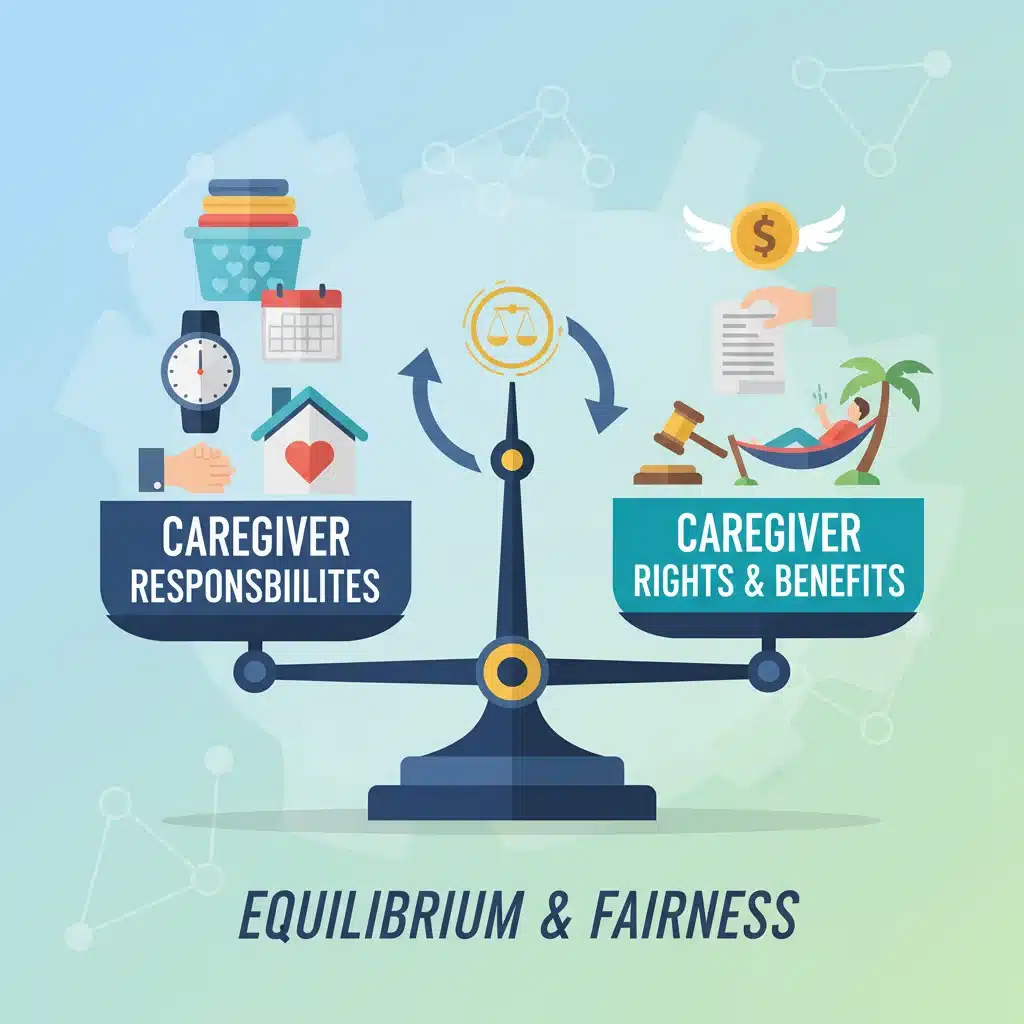
By engaging with elected officials, participating in surveys and focus groups, and sharing personal caregiving experiences, US caregivers can directly influence the direction of future policy. The collective voice of caregivers is powerful, and by working together, they can ensure that the legal protections in place by 2026 and beyond truly meet their needs.
Preparing for the Future: What US Caregivers Should Do Now
As we approach 2026, proactive steps can help US caregivers maximize the benefits of new legal protections and navigate any remaining gaps in support. Being informed, organized, and connected are key strategies for success.
Stay Informed About Policy Changes
Regularly monitor news from federal agencies like the Administration for Community Living (ACL) and state departments of aging or health. Subscribe to newsletters from caregiver advocacy organizations such as AARP, the National Alliance for Caregiving, and Family Caregiver Alliance. These organizations are often at the forefront of tracking legislative changes and providing updates relevant to US caregiver protections.
Document Everything
Maintain meticulous records of all caregiving-related expenses, medical appointments, communications with healthcare providers, and any hours spent providing care. This documentation can be invaluable for tax purposes, applying for financial assistance programs, or demonstrating eligibility for new benefits as they become available. Keep copies of all legal documents, including powers of attorney, advance directives, and guardianship papers, in an easily accessible but secure location.
Connect with Support Networks
Join local or online caregiver support groups. These networks provide emotional support, practical advice, and often share valuable information about available resources and emerging legal protections. Connecting with other US caregivers can alleviate feelings of isolation and provide a sense of community, which is crucial for mental well-being.
Consult Legal and Financial Professionals
Consider consulting with an elder law attorney or a financial planner who specializes in caregiving. They can offer personalized advice on navigating complex legal documents, understanding eligibility for government programs, and planning for the long-term financial implications of caregiving. As new laws come into effect, these professionals will be able to provide the most up-to-date guidance on how they impact your specific situation.
Advocate for Yourself and Others
Participate in advocacy efforts. Write to your elected officials, share your story, and support organizations that champion caregiver rights. Your voice is essential in shaping policies that truly reflect the needs of US caregivers. The more united caregivers are, the more powerful their collective impact on future legal protections will be.
Conclusion: A Brighter Future for US Caregivers in 2026
The year 2026 holds significant promise for US caregivers, with a clear trajectory towards more robust legal protections and comprehensive support systems. From federal initiatives aimed at national coordination and financial relief to state-level innovations in paid leave and direct payment programs, the recognition of caregivers’ vital role is translating into tangible policy changes. These advancements are not merely bureaucratic adjustments; they represent a fundamental shift in how society values and supports those who dedicate their lives to caring for others.
While challenges in implementation and universal access will undoubtedly persist, the momentum behind enhancing US caregiver protections is undeniable. By staying informed, actively engaging with available resources, and continuing to advocate for their needs, caregivers can leverage these evolving legal frameworks to secure greater financial stability, employment security, and overall well-being. The journey of caregiving remains demanding, but with these anticipated policy updates, the path ahead for US caregivers in 2026 looks significantly more supported and protected.
The future of caregiving in the U.S. is one where dedication and love are increasingly met with the legal and financial backing they deserve. This evolving landscape offers hope and practical solutions, enabling millions of US caregivers to continue their invaluable work with greater peace of mind and security.