Caregiver Support Groups 2026: Virtual vs. In-Person Options for US Families
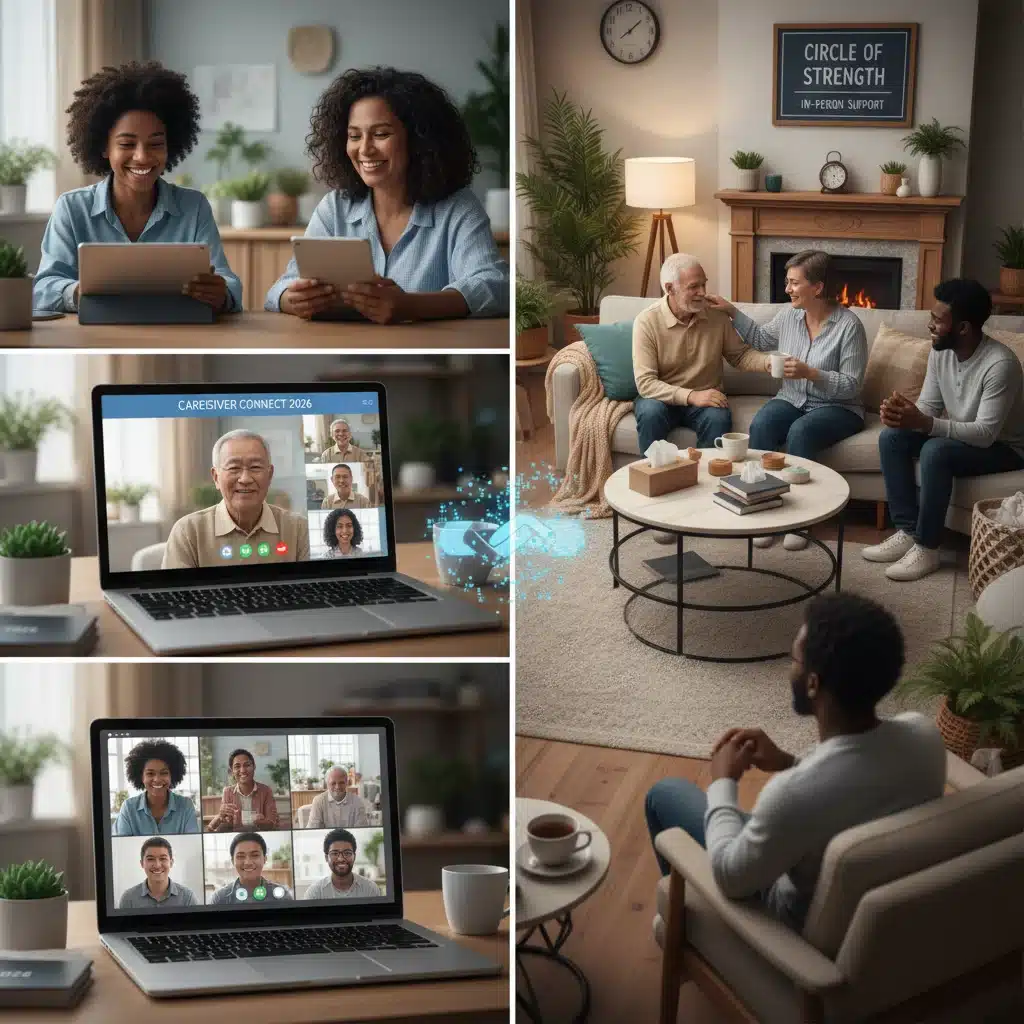
In the demanding and often isolating world of caregiving, finding a reliable source of support is not just beneficial; it’s essential for well-being. As we navigate 2026, the landscape of caregiver support groups has evolved significantly, offering more diverse options than ever before. For US families, the choice between virtual and in-person support groups presents a nuanced decision, each with its unique advantages and considerations. This comprehensive guide will delve into both formats, providing a detailed comparison to help caregivers make an informed choice that best suits their individual needs and circumstances.
Caregiving, while deeply rewarding, can also be physically, emotionally, and mentally exhausting. The constant demands, the emotional toll of witnessing a loved one’s decline, and the potential for social isolation can lead to burnout. This is where caregiver support groups become invaluable. They offer a sanctuary where individuals can share their experiences, gain practical advice, and receive emotional validation from others who truly understand their journey.
Historically, support groups were predominantly in-person gatherings. However, the rapid advancement of technology and the lessons learned from recent global events have propelled virtual options to the forefront. Today, caregivers have the flexibility to choose a format that aligns with their schedule, geographical location, and personal preferences. Understanding the pros and cons of each type of caregiver support group is crucial for maximizing its benefits.
The Evolution of Caregiver Support Groups in 2026
The year 2026 marks a pivotal point in how caregivers access and engage with support networks. The digital transformation has not only expanded the reach of these groups but has also introduced new modalities of interaction. While the core purpose of caregiver support groups remains the same – to provide a safe space for sharing and healing – the methods have diversified.
Pre-Pandemic Landscape
Before the widespread adoption of virtual platforms, in-person caregiver support groups were the norm. These groups typically met in community centers, hospitals, churches, or private homes. They offered a tangible sense of community, allowing for direct eye contact, physical presence, and often, shared meals or coffee, fostering deep personal connections. The main challenges often revolved around geographical accessibility, transportation, and the difficulty of finding respite care to attend meetings.
Post-Pandemic Acceleration of Virtual Options
The global pandemic dramatically accelerated the shift towards virtual caregiver support groups. What was once a niche offering became a necessity. This forced innovation led to the development of more robust online platforms, improved video conferencing tools, and a greater acceptance of digital interaction for sensitive topics. By 2026, virtual groups are no longer a temporary solution but a well-established and highly utilized option, offering unprecedented accessibility and flexibility.
Hybrid Models and Future Trends
Looking ahead, 2026 is also seeing the rise of hybrid caregiver support groups. These models combine elements of both virtual and in-person meetings, offering the best of both worlds. For instance, a group might meet in person once a month for a deeper connection, with weekly virtual check-ins for ongoing support. This adaptability is key to meeting the diverse needs of modern caregivers.
In-Person Caregiver Support Groups: The Traditional Approach
For many, the idea of a support group conjures images of people gathered in a room, sharing stories face-to-face. In-person caregiver support groups offer a unique set of benefits that are difficult to replicate in a digital environment.
Advantages of In-Person Groups
- Tangible Human Connection: There’s an undeniable power in physical presence. Direct eye contact, a comforting touch, or a shared hug can provide a level of empathy and understanding that transcends words on a screen. This non-verbal communication is vital for emotional processing.
- Reduced Digital Fatigue: In an era where many aspects of life are mediated by screens, an in-person meeting offers a welcome break. It can reduce the strain on eyes and minds often fatigued by prolonged screen time.
- Sense of Community and Belonging: Regularly meeting in the same physical space can foster a strong sense of community and belonging. Participants often form deep, lasting friendships, extending their support network beyond the group meetings themselves.
- Fewer Distractions: While not always guaranteed, in-person meetings can sometimes offer fewer distractions than a home environment, allowing caregivers to fully immerse themselves in the discussion without the interruptions of daily household tasks or caregiving duties.
- Access to Local Resources: In-person groups often have a strong connection to local resources, such as respite care services, elder care facilities, or specialized medical professionals. Group facilitators or long-time members can provide firsthand recommendations and guidance.
Disadvantages of In-Person Groups
- Geographical Limitations: Finding a suitable group within a reasonable travel distance can be a major hurdle, especially for caregivers in rural areas or those with limited transportation options.
- Scheduling Conflicts: Caregiving schedules are notoriously unpredictable. Committing to a fixed time and location each week or month can be challenging, particularly if the care recipient’s needs fluctuate.
- Need for Respite Care: Attending an in-person meeting often requires arranging for respite care, which can be expensive, difficult to find, or simply unavailable, adding another layer of stress.
- Weather and Transportation Issues: Inclement weather, traffic, or vehicle problems can prevent attendance, leading to missed support sessions.
- Potential for Social Anxiety: For some individuals, the thought of meeting a new group of people in person can be daunting, leading to social anxiety and hesitation to join.
Virtual Caregiver Support Groups: The Modern Solution
Virtual caregiver support groups have emerged as a powerful alternative, leveraging technology to bridge gaps in access and flexibility. They have become a cornerstone of support for many US families in 2026.
Advantages of Virtual Groups
- Unparalleled Accessibility: Virtual groups eliminate geographical barriers. Caregivers can connect with others from across the country, finding groups that specialize in specific conditions or demographics that might not be available locally.
- Flexibility and Convenience: Meetings can be attended from the comfort of one’s home, often at more flexible times. This significantly reduces the need for travel and respite care, making participation much easier to integrate into a demanding caregiving schedule.
- Anonymity and Comfort: For those who prefer a degree of anonymity or feel less comfortable sharing in a face-to-face setting, virtual platforms can provide a safer space. Participants can choose to turn off their cameras or use pseudonyms if allowed, easing the pressure of immediate social interaction.
- Diverse Group Options: The online world offers a vast array of specialized caregiver support groups. Whether caring for someone with Alzheimer’s, Parkinson’s, a specific type of cancer, or dealing with unique family dynamics, there’s likely a virtual group tailored to those specific needs.
- Cost-Effective: Virtual groups often have lower overheads, making them more affordable or even free. They also save caregivers money on transportation, parking, and potential respite care costs.
- Recorded Sessions: Some virtual groups offer the option to record sessions (with participant consent), allowing caregivers to review discussions or catch up if they missed a meeting.

Disadvantages of Virtual Groups
- Lack of Physical Presence: While convenient, virtual interactions can sometimes lack the depth of connection found in person. Non-verbal cues might be missed, and the sense of shared space is absent.
- Technical Challenges: Reliable internet access, suitable devices, and basic tech literacy are prerequisites. Technical glitches can disrupt meetings and cause frustration.
- Digital Fatigue: Adding more screen time to an already screen-heavy day can contribute to digital fatigue and eye strain.
- Distractions at Home: While convenient, attending from home can also mean more distractions from family members, pets, or household chores, making it difficult to fully focus.
- Privacy Concerns: While platforms are generally secure, some caregivers may have privacy concerns about sharing sensitive information online.
- Less Spontaneous Interaction: Virtual settings can sometimes stifle spontaneous conversation and the organic flow of discussion that often occurs in person.
Comparing Virtual vs. In-Person: Key Considerations for US Families in 2026
Choosing between virtual and in-person caregiver support groups requires a careful evaluation of several factors unique to each caregiver’s situation. Here’s a comparative breakdown to help US families make the best decision in 2026:
Accessibility and Logistics
- Virtual: High accessibility. Can join from anywhere with an internet connection. Minimizes logistical hurdles like travel and respite care. Ideal for caregivers in rural areas or those with limited mobility.
- In-Person: Lower accessibility. Requires physical presence, often necessitating travel and the arrangement of respite care. Best for caregivers with local options and reliable support systems for their loved ones.
Level of Connection and Interaction
- Virtual: Can foster strong connections, but may lack the depth of non-verbal communication. Some find it easier to open up initially due to perceived anonymity.
- In-Person: Offers a more profound, tangible connection. Facilitates non-verbal cues, shared physical space, and often leads to deeper, more immediate bonds and friendships.
Flexibility and Schedule
- Virtual: Highly flexible. Numerous options available at various times, often allowing caregivers to fit meetings into small windows of free time.
- In-Person: Less flexible. Requires commitment to a fixed schedule and location, which can be challenging for dynamic caregiving routines.
Technological Requirements
- Virtual: Requires a device (computer, tablet, smartphone), stable internet, and basic digital literacy.
- In-Person: No technological requirements, relying solely on physical presence.
Privacy and Comfort Levels
- Virtual: Offers a degree of anonymity, which can be comforting for some. Can be attended from a private space at home.
- In-Person: Requires public presence and direct interaction, which might be less comfortable for those with social anxiety or a strong desire for privacy.
Cost Implications
- Virtual: Often free or low-cost, with savings on travel and respite care.
- In-Person: May involve costs for transportation, parking, and potentially respite care, in addition to any group fees.
Finding the Right Caregiver Support Group for You
Given the diverse options available in 2026, finding the ideal caregiver support group requires self-reflection and research. Here’s a step-by-step guide for US families:
1. Assess Your Needs and Preferences
- What is your primary goal? Is it emotional support, practical advice, networking, or a combination?
- What are your logistical constraints? Do you have reliable internet? Can you easily arrange respite care? What are your transportation options?
- What is your comfort level with technology? Are you comfortable with video calls and online platforms?
- What kind of connection do you seek? Do you prefer the intimacy of face-to-face interaction or the convenience of virtual anonymity?
2. Research Available Options
For Virtual Groups:
- National Organizations: Organizations like the Alzheimer’s Association, Parkinson’s Foundation, or the Family Caregiver Alliance offer extensive lists of online caregiver support groups.
- Specialized Forums and Communities: Many disease-specific foundations or online health communities host virtual support groups.
- Social Media Groups: Platforms like Facebook host numerous private groups for caregivers, offering peer-to-peer support. Be mindful of privacy settings and group rules.
- Telehealth Providers: Some telehealth platforms now integrate virtual support groups as part of their services.
For In-Person Groups:
- Local Hospitals and Medical Centers: Often host support groups for various conditions.
- Community Centers and Senior Centers: Many offer free or low-cost groups.
- Religious Institutions: Churches, synagogues, and mosques often have active caregiving ministries or support groups.
- Local Branches of National Organizations: Check the websites of national organizations for local chapters and their in-person meeting schedules.
3. Consider Hybrid Models
Don’t overlook the possibility of a hybrid approach. You might attend an in-person meeting once a month for deep connection while participating in a weekly virtual group for ongoing support and practical tips. This can offer a balanced solution for many caregivers.
4. Trial and Error
It’s perfectly acceptable to try out a few different caregiver support groups, both virtual and in-person, before committing. What works for one caregiver might not work for another. Look for a group where you feel comfortable, heard, and genuinely supported.

Maximizing the Benefits of Caregiver Support Groups
Once you’ve found a caregiver support group, here are some tips to make the most of your experience, regardless of whether it’s virtual or in-person:
- Be Open and Honest: Share your struggles and triumphs. The more authentic you are, the more others can relate and offer meaningful support.
- Listen Actively: Pay attention to others’ experiences. You might find solutions to your own challenges or simply gain perspective.
- Respect Confidentiality: What is shared in the group should stay within the group, fostering a safe and trusting environment.
- Participate Regularly: Consistent attendance builds rapport and allows for deeper connections to form.
- Offer Support to Others: While you’re there to receive support, remember that offering it to others can also be incredibly therapeutic and empowering.
- Set Boundaries: It’s okay to step away if a discussion becomes too overwhelming. Take breaks if needed, especially in virtual settings.
- Utilize Resources: Pay attention to any resources, tips, or professional referrals shared within the group.
The Future of Caregiver Support in the US
As we look beyond 2026, the landscape of caregiver support groups is likely to continue evolving. We can anticipate further integration of technology, potentially including VR/AR for immersive virtual experiences, or AI-powered matching services to connect caregivers with the most suitable groups. The emphasis will remain on creating accessible, effective, and empathetic environments where caregivers can find the solace and strength they need to continue their vital work.
The recognition of caregiving as a public health issue is also growing, leading to more institutional support and funding for these essential services. Advocacy efforts are pushing for policies that ease the financial and emotional burden on caregivers, making it easier for them to participate in support networks without additional stress.
Ultimately, whether virtual or in-person, the goal of caregiver support groups remains steadfast: to empower caregivers, prevent burnout, and ensure they feel valued and understood. The availability of diverse options in 2026 means that every caregiver has the opportunity to find their tribe, a place where they can recharge, learn, and continue to provide the best possible care for their loved ones while also caring for themselves.
Conclusion
The choice between virtual and in-person caregiver support groups in 2026 is a personal one, with valid arguments for both. In-person groups offer the warmth of direct human connection and local resources, while virtual groups provide unparalleled accessibility, flexibility, and a wider range of specialized options. Many US families may find a hybrid approach to be the most effective, combining the best features of both worlds.
Regardless of the format, the act of seeking and accepting support is a sign of strength, not weakness. Caregivers are the backbone of our communities, and ensuring their well-being is paramount. By understanding the evolving options for caregiver support groups, US families can make empowered decisions that lead to greater resilience, reduced stress, and an improved quality of life for both caregivers and their loved ones. Take the first step today to find the support network that’s right for you.