Winter Wellness: Natural Remedies for Seasonal Affective Disorder 2026

Anúncios
Embracing Winter Wellness: 5 Natural Remedies for Seasonal Affective Disorder (SAD) in 2026
As the days grow shorter and the temperatures drop, many of us find ourselves grappling with more than just the winter chill. For millions across the United States, the colder, darker months usher in a distinct shift in mood and energy levels, a phenomenon medically recognized as Seasonal Affective Disorder (SAD). Often dubbed ‘winter depression,’ SAD is a recurring pattern of depressive episodes that align with specific seasons, most commonly appearing in late fall or early winter and subsiding with the arrival of spring. While the exact causes are still being researched, it’s widely believed to be linked to the reduction in sunlight, which can disrupt our internal biological clock, lower serotonin levels, and affect melatonin production.
Anúncios
The impact of SAD can range from mild lethargy and a general sense of gloom to more severe symptoms such as persistent sadness, loss of interest in activities, changes in appetite and sleep patterns, and difficulty concentrating. With winter 2026 on the horizon, it’s more important than ever to equip ourselves with effective strategies to navigate these challenges. While conventional treatments like medication and psychotherapy are available and often recommended, a growing body of evidence supports the efficacy of natural remedies in managing and even preventing SAD symptoms.
This comprehensive guide delves into five powerful natural remedies for Seasonal Affective Disorder that you can integrate into your lifestyle for winter 2026. These approaches are not only drug-free but also empower you to take an active role in nurturing your mental and emotional well-being throughout the darkest months of the year. From harnessing the power of light to optimizing your diet and embracing the outdoors, we’ll explore practical, science-backed methods to help you thrive, not just survive, this winter.
Anúncios
Understanding SAD is the first step toward effective management. The condition is more prevalent in regions with longer winter nights and less sunlight, such as the northern states of the U.S. Women are diagnosed with SAD more frequently than men, and it often begins in young adulthood. If you suspect you might be experiencing SAD, consulting with a healthcare professional is crucial for an accurate diagnosis and to discuss the best course of action. However, for many, incorporating natural remedies can be a significant part of a holistic treatment plan, offering relief and fostering resilience against the seasonal blues.
Let’s dive into these natural strategies, designed to help you proactively address Seasonal Affective Disorder and welcome winter 2026 with a renewed sense of hope and vitality.
1. Embrace Light Therapy: Your Daily Dose of Sunshine
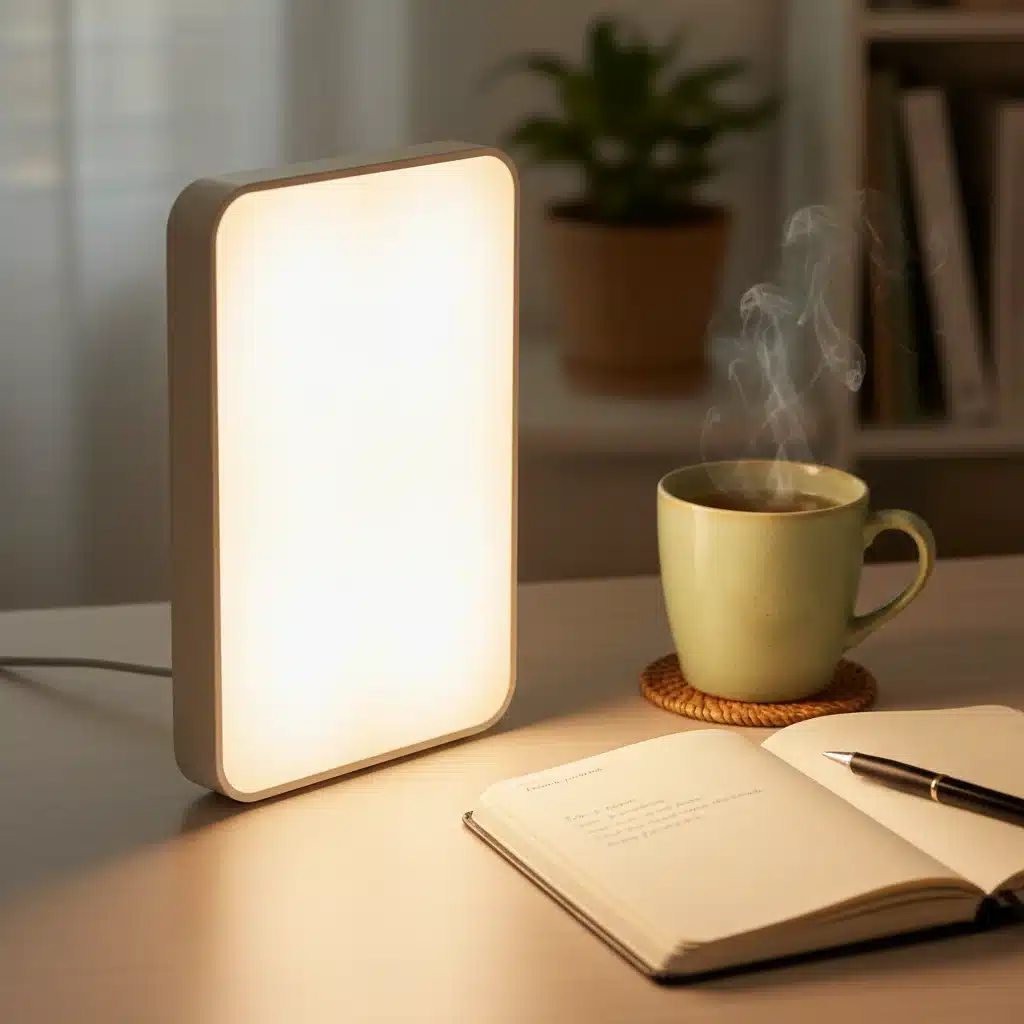
One of the most well-researched and highly effective natural remedies for Seasonal Affective Disorder is light therapy, also known as phototherapy. Given that reduced exposure to natural sunlight is a primary trigger for SAD, it makes perfect sense that supplementing with artificial light can significantly alleviate symptoms. Light therapy involves daily exposure to a special light box that emits a very bright light, typically 10,000 lux, mimicking natural outdoor light without harmful UV rays.
The mechanism behind light therapy’s effectiveness is thought to be its ability to reset your circadian rhythm (your body’s internal clock) and influence brain chemicals linked to mood, such as serotonin and melatonin. Regular use can help regulate sleep patterns, boost energy levels, and improve overall mood. For winter 2026, consider investing in a high-quality light therapy lamp. It’s crucial to choose a lamp specifically designed for SAD treatment, not just a regular desk lamp, as these provide the necessary intensity and spectrum of light.
How to Practice Light Therapy Effectively:
- Timing is Key: Most experts recommend using the light box first thing in the morning, within an hour of waking up, for 20 to 60 minutes. This helps to suppress melatonin production, making you feel more awake and alert.
- Proper Placement: Position the light box at an angle to your side, not directly in front of you, to avoid eye strain. You don’t need to stare at the light; you can read, eat breakfast, or work at your computer while it’s on.
- Consistency: For optimal results, consistency is vital. Make light therapy a part of your daily routine throughout the fall and winter months.
- Consult a Professional: While generally safe, it’s always a good idea to consult with your doctor or a mental health professional before starting light therapy, especially if you have eye conditions or are taking medications that increase light sensitivity.
The benefits of light therapy can often be felt within a few days to a couple of weeks. Many users report increased energy, improved mood, and better sleep. As a core natural remedy for Seasonal Affective Disorder, light therapy offers a non-invasive, accessible way to bring a bit of ‘sunshine’ into your winter days.
2. Prioritize Regular Physical Activity: Move Your Way to a Better Mood
The link between physical activity and mental well-being is undeniable, and it holds particularly true for individuals grappling with SAD. Exercise is a potent natural antidepressant, releasing endorphins – natural mood elevators – and reducing stress hormones. During the colder months, when motivation might be at an all-time low, making a conscious effort to stay active can be one of the most impactful natural remedies for Seasonal Affective Disorder.
The good news is you don’t need to become a marathon runner to reap the benefits. Even moderate physical activity can make a significant difference. The key is to find activities you enjoy and can stick with consistently. For winter 2026, think about how you can incorporate movement into your daily life, both indoors and outdoors.
Effective Exercise Strategies for SAD:
- Outdoor Activities: Whenever possible, take your exercise outdoors, especially during daylight hours. Even on cloudy days, exposure to natural light can be beneficial. Try brisk walking, jogging, cycling, or even winter sports like skiing or snowshoeing. The combination of fresh air, natural light, and physical exertion can be incredibly uplifting.
- Indoor Workouts: When outdoor conditions aren’t favorable, there are plenty of indoor options. Join a gym, take a dance class, practice yoga or Pilates, or follow online workout videos. The important thing is to keep moving.
- Consistency Over Intensity: Aim for at least 30 minutes of moderate-intensity exercise most days of the week. Consistency is more important than pushing yourself to exhaustion.
- Social Aspect: Exercise with a friend or join a group class. The social interaction can provide an additional mood boost and help with accountability.
Exercise not only helps regulate mood but also improves sleep quality, boosts energy, and reduces anxiety – all common symptoms of SAD. Make physical activity a non-negotiable part of your winter wellness routine for 2026, and you’ll likely notice a significant improvement in your overall outlook.
3. Optimize Your Diet: Fueling Your Mood from Within
What you eat plays a profound role in your mental health, and for those experiencing SAD, a well-balanced, nutrient-rich diet can be a powerful natural remedy. During winter, it’s easy to gravitate towards comfort foods high in sugar and refined carbohydrates, which can lead to energy crashes and mood swings. Instead, focus on foods that support brain health and stable energy levels.
Dietary Recommendations for Managing SAD:
- Omega-3 Fatty Acids: These essential fats are crucial for brain function and have been linked to reduced symptoms of depression. Incorporate fatty fish like salmon, mackerel, and sardines, as well as flaxseeds, chia seeds, and walnuts, into your diet.
- Vitamin D: Often called the ‘sunshine vitamin,’ Vitamin D deficiency is common during winter months due to reduced sun exposure, and it has been strongly associated with depression. While sunlight is the best source, dietary sources like fortified milk, cereals, and fatty fish can help. Many people with SAD find a Vitamin D supplement beneficial, but it’s important to consult your doctor for appropriate dosing.
- Complex Carbohydrates: Unlike simple sugars, complex carbohydrates (found in whole grains, fruits, and vegetables) provide a steady release of glucose, helping to stabilize blood sugar and serotonin levels. Opt for oats, brown rice, quinoa, and plenty of colorful produce.
- Lean Proteins: Proteins provide amino acids, the building blocks for neurotransmitters. Include lean meats, poultry, eggs, beans, and lentils in your meals to support brain chemical balance.
- Limit Sugar and Processed Foods: These can contribute to energy spikes and crashes, exacerbating mood fluctuations. Focus on whole, unprocessed foods as much as possible.
- Stay Hydrated: Dehydration can lead to fatigue and affect mood. Make sure you’re drinking plenty of water throughout the day.
A mindful approach to nutrition can significantly contribute to managing Seasonal Affective Disorder, offering a foundational element among natural remedies. By fueling your body with the right nutrients, you’re also nourishing your mind.
4. Harness the Power of Nature and Mindfulness: Connect and Calm
Even when the weather is cold and gray, connecting with nature and practicing mindfulness can be incredibly therapeutic for SAD. Spending time outdoors, even for short periods, can boost mood and provide a sense of calm. Mindfulness practices, such as meditation and deep breathing, can help you stay present, reduce stress, and cultivate a more positive outlook.
Integrating Nature and Mindfulness for SAD Relief:
- "Green Time" Exposure: Make an effort to spend time outdoors daily, even if it’s just a 15-minute walk during your lunch break. Being in nature, or even looking at natural scenes, has been shown to reduce stress and improve mood. Bundle up and embrace the crisp winter air.
- Mindful Observation: While outdoors, practice mindfulness by paying attention to your surroundings – the sound of the wind, the feel of the cold air on your skin, the visual details of trees and sky. This can help shift your focus away from negative thoughts.
- Meditation and Deep Breathing: Regular meditation can train your brain to be less reactive to negative emotions and more resilient to stress. Even 5-10 minutes of guided meditation or deep breathing exercises daily can make a difference. Numerous apps and online resources can guide you.
- Journaling: Expressing your thoughts and feelings in a journal can be a powerful way to process emotions, identify patterns, and gain perspective. It’s a mindful practice that can help you understand and cope with your SAD symptoms.
- Practice Gratitude: Regularly reflecting on things you are grateful for can shift your mindset towards positivity, even during challenging times.
By consciously integrating nature and mindfulness into your routine for winter 2026, you’re actively engaging in natural remedies for Seasonal Affective Disorder that foster inner peace and emotional regulation. These practices can serve as an anchor during the turbulent seasonal shifts.

5. Cultivate Social Connections and Healthy Sleep Habits: Your Support System and Rest
Isolation can worsen SAD symptoms, while strong social connections can act as a buffer against depression. Similarly, poor sleep can exacerbate mood disorders, making healthy sleep habits a critical component of any natural remedy strategy for SAD. For winter 2026, actively work on nurturing your relationships and optimizing your sleep environment.
Strategies for Social Connection and Sleep for SAD:
- Stay Connected: Make an effort to connect with friends and family, even when you don’t feel like it. Schedule regular video calls, plan safe in-person gatherings, or join online communities that share your interests. Social interaction provides emotional support and a sense of belonging.
- Volunteer or Join a Group: Engaging in activities that connect you with others and provide a sense of purpose can be incredibly beneficial.
- Establish a Consistent Sleep Schedule: Go to bed and wake up at roughly the same time each day, even on weekends. This helps regulate your circadian rhythm.
- Create a Conducive Sleep Environment: Ensure your bedroom is dark, quiet, and cool. Avoid screens (phones, tablets, computers) for at least an hour before bedtime, as the blue light can interfere with melatonin production.
- Limit Caffeine and Alcohol: These substances can disrupt sleep patterns, especially in the hours leading up to bedtime.
- Nap Wisely: If you need to nap, keep it short (20-30 minutes) and avoid napping too late in the day, as it can interfere with nighttime sleep.
Prioritizing social connections and healthy sleep habits are often overlooked, yet vital, natural remedies for Seasonal Affective Disorder. They provide a strong foundation for mental resilience and overall well-being during the challenging winter months.
Additional Considerations and Holistic Approaches for Winter 2026
While the five natural remedies for Seasonal Affective Disorder discussed above form a robust framework for managing winter blues, a holistic approach often yields the best results. Consider these additional elements as you prepare for winter 2026:
- Aromatherapy: Certain essential oils, such as bergamot, lavender, and frankincense, are believed to have mood-enhancing and calming properties. Use a diffuser or add a few drops to a warm bath to create a soothing atmosphere.
- Herbal Supplements: Some herbs, like St. John’s Wort, Rhodiola Rosea, and Saffron, have been studied for their potential antidepressant effects. However, it is crucial to consult a healthcare professional before taking any herbal supplements, as they can interact with medications and may not be suitable for everyone.
- Acupuncture: This ancient Chinese practice involves inserting thin needles into specific points on the body. Some individuals find it helpful for mood regulation and stress reduction, though more research is needed specifically on its efficacy for SAD.
- Cognitive Behavioral Therapy (CBT) for SAD: While not strictly a "natural remedy" in the sense of a physical intervention, CBT-SAD is a form of psychotherapy tailored to SAD that focuses on identifying and changing negative thought patterns and behaviors associated with the winter months. It’s an incredibly effective, non-pharmacological approach.
- Planned Winter Activities: Combat the tendency to withdraw by actively planning enjoyable winter activities. This could be anything from visiting museums, going to concerts, trying a new winter sport, or simply having cozy indoor gatherings with loved ones. Having things to look forward to can significantly improve your outlook.
The cumulative effect of these various strategies – both the core five natural remedies for Seasonal Affective Disorder and these additional considerations – can create a powerful shield against the seasonal dip in mood. Remember that managing SAD is an ongoing process, and what works best can vary from person to person. Be patient with yourself and open to trying different combinations of approaches.
Preparing for Winter 2026: Proactive Steps for SAD Management
The most effective way to manage Seasonal Affective Disorder is often through proactive preparation. Don’t wait until symptoms set in to start implementing these natural remedies. Begin incorporating them into your routine as early as late summer or early fall, especially if you have a history of SAD. This allows your body and mind to adjust gradually and build resilience before the peak of winter.
- Seasonal Check-in: As the seasons change, take a moment to assess your mental and emotional state. Are you noticing familiar patterns emerging? Early recognition can prompt early intervention.
- Set Up Your Environment: Ensure your home and workspace are as bright as possible. Open curtains, trim outdoor branches that block light, and consider painting rooms in lighter colors. Get your light therapy lamp ready for daily use.
- Meal Planning: Plan your meals to include nutrient-dense foods that support mood and energy. Stock your pantry with healthy options to reduce the temptation of unhealthy comfort foods.
- Exercise Schedule: Establish a consistent exercise routine before winter fully sets in. This makes it easier to stick with it when motivation wanes.
- Social Calendar: Schedule regular social engagements throughout the winter. Having these plans in place can provide motivation to get out and connect.
By taking these proactive steps, you’re not just reacting to SAD; you’re actively shaping your winter experience. These natural remedies for Seasonal Affective Disorder, when applied consistently and thoughtfully, can transform winter 2026 from a season of struggle into one of sustained well-being and even enjoyment.
Conclusion: Thriving Through Winter with Natural SAD Remedies
Seasonal Affective Disorder is a legitimate and challenging condition, but it is not insurmountable. With the right strategies and a commitment to self-care, you can significantly mitigate its impact and maintain your mental and emotional health throughout the colder, darker months. The five natural remedies for Seasonal Affective Disorder – light therapy, regular physical activity, optimized diet, connection with nature and mindfulness, and strong social connections coupled with healthy sleep habits – offer a powerful, holistic toolkit for winter 2026.
Remember that managing SAD is a journey, not a destination. There will be good days and more challenging ones. The key is consistency, self-compassion, and a willingness to adjust your approach as needed. Don’t hesitate to seek professional help if your symptoms are severe or persistent. A healthcare provider can offer personalized advice, discuss potential medical treatments, and help you integrate these natural remedies into a comprehensive care plan.
As winter 2026 approaches, empower yourself with these natural tools. Embrace the opportunity to prioritize your well-being, nurture your mind and body, and discover the resilience within you. By taking proactive steps and consistently applying these natural remedies for Seasonal Affective Disorder, you can transform your winter experience, finding joy, energy, and peace even in the midst of the season’s chill. Here’s to a brighter, healthier winter ahead!