Hydration Hacks: 2026 Science for Optimal Health & Energy in the U.S.
Anúncios
Hydration Hacks: The Latest 2026 Science on Water Intake for Optimal Health and Energy in the U.S.
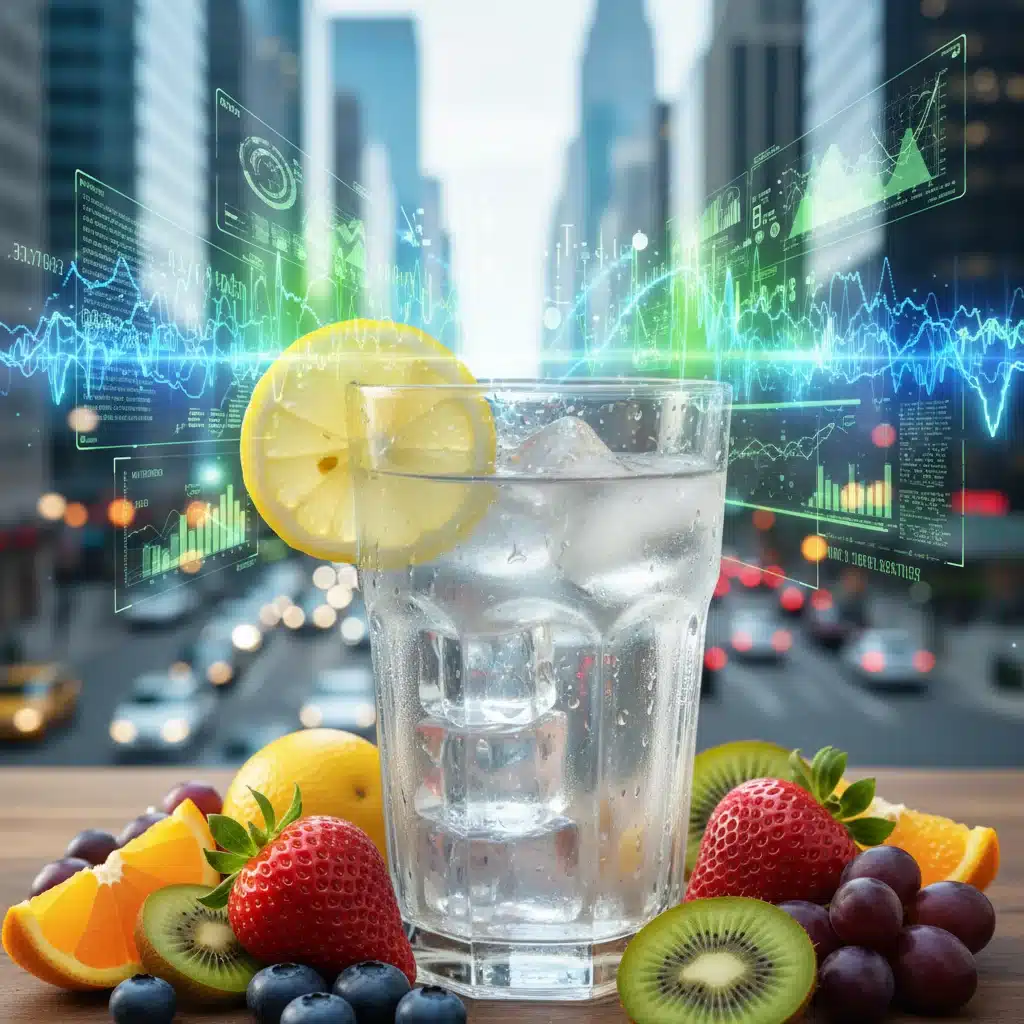
In the relentless pace of modern life, especially within the United States, the foundational element of our well-being often gets overlooked: hydration. It’s not just about quenching thirst; it’s about fueling every cellular process, maintaining cognitive sharpness, and sustaining the energy levels needed to conquer daily challenges. As we step into 2026, the scientific understanding of water intake and its profound impact on human health has evolved, moving beyond simplistic ‘eight glasses a day’ recommendations to a more nuanced, personalized approach. This comprehensive guide delves into the latest hydration science 2026, offering actionable hacks and insights specifically tailored for the U.S. population to achieve optimal health and unwavering energy.
Anúncios
The Evolving Landscape of Hydration Science in 2026
For decades, the standard advice on water intake remained relatively static. However, advancements in physiological monitoring, nutritional science, and personalized medicine have unveiled the intricate dance between water, electrolytes, and cellular function. The hydration science 2026 perspective emphasizes that optimal hydration is not a one-size-fits-all metric but rather a dynamic state influenced by individual factors such as activity level, climate, diet, health status, and even genetics.
Anúncios
Beyond Thirst: Understanding the Deeper Signals of Dehydration
Thirst is often a late indicator of dehydration. By the time you feel thirsty, your body may already be experiencing a slight deficit, impacting cognitive function, physical performance, and mood. The latest hydration science 2026 encourages us to look for more subtle cues:
- Fatigue and Low Energy: Even mild dehydration can reduce blood volume, making your heart work harder to pump oxygen and nutrients, leading to feelings of sluggishness.
- Headaches and Dizziness: Dehydration can cause blood vessels in the brain to constrict, triggering headaches.
- Poor Concentration and Brain Fog: Water is crucial for neurotransmitter function. A lack of it can impair focus, memory, and overall cognitive performance.
- Muscle Cramps: Imbalances in electrolytes, often exacerbated by insufficient fluid intake, can lead to muscle spasms and cramps.
- Dry Skin and Lips: Your skin is your largest organ, and adequate hydration is essential for its elasticity and healthy appearance.
- Dark Urine: A simple and effective indicator. Pale yellow urine typically indicates good hydration, while darker shades suggest you need to drink more water.
Personalized Hydration: A 2026 Imperative
The days of generic hydration advice are fading. The hydration science 2026 paradigm champions a personalized approach, recognizing that your ideal water intake is unique to you. Several factors now play a significant role in determining your daily fluid needs:
Activity Level and Exercise
For individuals in the U.S. leading active lifestyles, from casual walkers to elite athletes, fluid requirements increase substantially. Sweating is the body’s primary cooling mechanism, and with it, you lose not only water but also essential electrolytes like sodium, potassium, and magnesium. The hydration science 2026 recommends:
- Pre-hydration: Drink 16-20 ounces of water 2-3 hours before exercise.
- During Exercise: Aim for 4-6 ounces every 15-20 minutes, especially during prolonged or intense activity. Consider electrolyte-enhanced beverages for sessions lasting over an hour or in hot conditions.
- Post-hydration: Replenish lost fluids by drinking 20-24 ounces for every pound of body weight lost during exercise.
Climate and Environment
Living in hot and humid climates, or even in dry, high-altitude regions common across the U.S., significantly increases fluid loss through perspiration and respiration. Air conditioning can also contribute to dehydration by drying out the air. Adjust your intake upwards in these conditions.
Dietary Habits and Food Intake
Your diet plays a surprisingly large role in your hydration status. Foods rich in water, such as fruits (watermelon, strawberries, oranges) and vegetables (cucumber, lettuce, celery), contribute significantly to your daily fluid intake. Conversely, a diet high in processed foods, sodium, and caffeine can increase fluid excretion and necessitate higher water consumption. The hydration science 2026 highlights the importance of ‘eating your water’ as a complementary hydration strategy.
Health Conditions and Medications
Certain health conditions (e.g., diabetes, kidney disease, fever, diarrhea, vomiting) and medications (e.g., diuretics) can alter fluid balance and increase hydration needs. Always consult with a healthcare professional to understand specific recommendations if you have underlying health concerns.
The 2026 Hydration Toolkit: Smart Strategies & Technologies
Leveraging technology and smart daily habits can transform your hydration routine. Here are some of the cutting-edge approaches championed by hydration science 2026:
Smart Water Bottles and Wearable Tech
These devices connect to apps on your smartphone, tracking your water intake throughout the day and sending reminders to drink. Some even integrate with your activity trackers to adjust recommendations based on your exercise levels and environmental factors. This personalized feedback loop is a game-changer for consistent hydration.
Electrolyte Balance: More Than Just Water
While water is paramount, electrolytes are its crucial companions. Sodium, potassium, magnesium, and calcium are vital for nerve function, muscle contractions, and maintaining fluid balance within cells. The hydration science 2026 recommends:
- Food First: Incorporate electrolyte-rich foods like bananas (potassium), leafy greens (magnesium), and a pinch of sea salt in your cooking (sodium).
- Strategic Supplementation: For intense exercise, illness, or extreme heat, consider electrolyte supplements or drinks that replenish these vital minerals without excessive sugar.
Hydrating Foods: Eating Your Way to Optimal Hydration
As mentioned, food can contribute significantly to your daily fluid intake. Make these water-rich foods staples in your diet:
- Fruits: Watermelon (92% water), strawberries (91%), cantaloupe (90%), peaches (89%), oranges (88%).
- Vegetables: Cucumber (95%), lettuce (96%), celery (95%), zucchini (94%), bell peppers (92%).
- Soups and Broths: Excellent sources of both fluid and electrolytes.
The Profound Benefits of Optimal Hydration (2026 Insights)
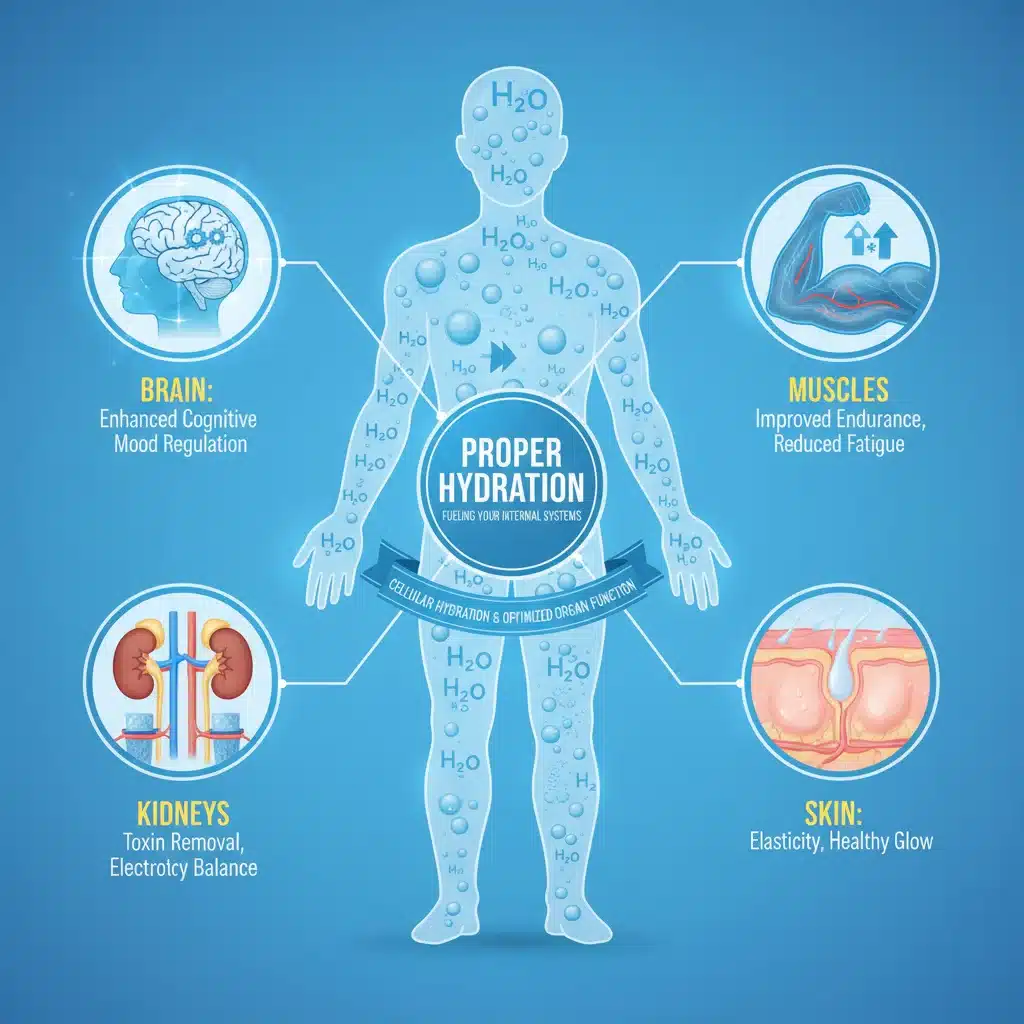
The latest hydration science 2026 continues to underscore the far-reaching benefits of adequate water intake, impacting virtually every system in the body:
Enhanced Cognitive Function and Mental Clarity
The brain is approximately 75% water. Even mild dehydration can impair attention, memory, and executive functions. Staying well-hydrated ensures optimal brain performance, reducing brain fog and improving reaction times. Studies in 2026 continue to highlight the direct correlation between hydration status and academic/work performance.
Sustained Energy Levels and Reduced Fatigue
Water plays a critical role in cellular energy production. It helps transport nutrients and oxygen to cells and facilitates waste removal. When dehydrated, your body works harder, leading to decreased energy and increased fatigue. Optimal hydration is a simple yet powerful hack for boosting daily vitality.
Improved Physical Performance and Recovery
For athletes and active individuals, hydration is non-negotiable. It regulates body temperature, lubricates joints, prevents muscle cramps, and aids in nutrient delivery and waste removal crucial for muscle repair and growth. The hydration science 2026 emphasizes pre, during, and post-exercise hydration protocols for peak performance and faster recovery.
Better Digestion and Nutrient Absorption
Water is essential for breaking down food and absorbing nutrients in the digestive tract. It also helps soften stool, preventing constipation and promoting regular bowel movements. A well-hydrated digestive system functions more efficiently.
Healthy Skin and Anti-Aging Benefits
Adequate water intake helps maintain skin elasticity and moisture, giving it a plump, healthy, and youthful appearance. It supports the skin’s barrier function, protecting against environmental damage and reducing the appearance of fine lines. This is a key area of focus within the aesthetic and wellness sectors in 2026.
Kidney Health and Detoxification
Your kidneys rely on water to filter waste products from your blood and excrete them through urine. Proper hydration helps prevent kidney stones and supports overall kidney function, which is vital for detoxification.
Mood Regulation and Stress Reduction
Dehydration can impact mood, leading to irritability, anxiety, and even symptoms of depression. Staying hydrated can help regulate brain chemistry, supporting a more stable and positive mood. This connection is gaining more attention in hydration science 2026 research.
Common Hydration Myths Debunked by 2026 Science
Despite increased awareness, several misconceptions about hydration persist. Let’s clarify them with the latest scientific understanding:
Myth 1: You Must Drink Eight Glasses of Water a Day
2026 Reality: While a good starting point, this is an oversimplification. As discussed, individual needs vary greatly based on activity, climate, diet, and health. Focus on personalized intake and listening to your body’s signals.
Myth 2: All Fluids Hydrate Equally
2026 Reality: Not all fluids are created equal. While coffee and tea contain water, their diuretic properties can lead to increased fluid excretion. Sugary drinks, while liquid, often contain ingredients that can contribute to dehydration by drawing water from cells. Plain water, and water-rich foods, remain the gold standard for hydration.
Myth 3: You Can Only Get Hydrated by Drinking Water
2026 Reality: Your diet contributes significantly to your fluid intake. Many fruits and vegetables are over 85% water and come packed with essential vitamins, minerals, and electrolytes, making them excellent hydration sources.
Myth 4: Drinking Too Much Water is Impossible
2026 Reality: While rare, overhydration (hyponatremia) can occur when you drink excessive amounts of water without adequate electrolyte intake, diluting sodium levels in the blood. This is particularly a risk for endurance athletes or individuals with certain medical conditions. Always balance water intake with electrolyte replenishment when needed.
Practical Hydration Hacks for the U.S. Lifestyle (2026 Edition)
Incorporating optimal hydration into your busy American routine doesn’t have to be daunting. Here are practical strategies:
Start Your Day Hydrated
Begin your morning with a large glass of water, perhaps with a squeeze of lemon. This rehydrates your body after sleep and kick-starts your metabolism.
Keep Water Accessible
Always carry a reusable water bottle. Keep one at your desk, in your car, and by your bedside. Visible reminders encourage consistent sips throughout the day.
Set Reminders
Utilize smartphone apps or smart water bottles that remind you to drink. Consistent, small sips are often more effective than chugging large amounts infrequently.
Flavor Your Water Naturally
If plain water isn’t appealing, infuse it with fruits (berries, citrus), vegetables (cucumber, mint), or herbs. Avoid sugary flavorings.
Hydrate Before, During, and After Meals
Drinking water before meals can aid digestion and help with portion control. Continue to sip throughout the meal and afterward.
Prioritize Water-Rich Snacks
Opt for fruits and vegetables as snacks. Think apple slices, carrot sticks, watermelon, or a small salad.

Monitor Urine Color
This simple, visual cue remains one of the most effective ways to gauge your hydration status throughout the day. Aim for a pale yellow color.
Account for Coffee and Alcohol
Both coffee and alcohol have diuretic effects. If you consume them, make a conscious effort to increase your water intake to compensate for potential fluid loss.
Listen to Your Body
Ultimately, your body is the best indicator. Pay attention to how you feel. Fatigue, headaches, and difficulty concentrating are often early signs you need to drink more.
The Future of Hydration: What’s Next Beyond 2026?
The field of hydration science 2026 is continuously evolving. Researchers are exploring even more personalized approaches, including genetic predispositions to hydration needs, advanced wearable sensors that analyze sweat composition in real-time, and AI-driven hydration coaches that adapt recommendations based on a multitude of biometric and environmental data points. The focus will increasingly shift towards proactive hydration management rather than reactive thirst quenching, aiming to maintain optimal cellular function around the clock.
Furthermore, sustainable hydration practices are becoming a significant concern. The environmental impact of bottled water is prompting innovation in water filtration systems, reusable bottle technologies, and community-level access to clean, safe drinking water, particularly in urban and underserved areas across the U.S. The integration of public health initiatives with individual responsibility will be key to fostering a truly hydrated nation.
Conclusion: Make Hydration Your Top Priority in 2026
In conclusion, the latest hydration science 2026 provides a clear roadmap to unlocking optimal health and sustained energy through mindful water intake. Moving beyond outdated generalizations, we now understand that hydration is a highly personalized and dynamic process, crucial for cognitive function, physical performance, mood regulation, and overall cellular vitality. By incorporating smart strategies, leveraging technology, and prioritizing water-rich foods, you can fine-tune your hydration habits to meet your unique needs.
Don’t underestimate the power of water. It is the most fundamental nutrient, yet often the most neglected. Make 2026 the year you truly master your hydration, transforming your health and energy levels from the inside out. Your body will thank you for it, with enhanced well-being, sharper focus, and an invigorated spirit to tackle whatever challenges and opportunities lie ahead in the dynamic landscape of the United States.