tips for relaxing after a stressful workday: 7 quick rituals

Anúncios
tips for relaxing after a stressful workday: use a short routine of focused breathing, a few gentle stretches, a 5–10 minute walk, dimmed lights and a simple bedtime cue to reduce physiological arousal and help you unwind quickly for better rest.
tips for relaxing after a stressful workday often feel out of reach, but tiny rituals can change your evening. Curious what really helps? Here are simple, tested moves you can try tonight to unwind and sleep better.
Anúncios
quick physical resets: breath, stretch and short walks
tips for relaxing after a stressful workday can begin with a tiny, physical reset. A few breaths, a short stretch, or a quick walk helps your body and mind switch gears.
Anúncios
These moves are fast, practical, and easy to fit into any evening routine.
Simple breathing resets
Start with your breath to calm the nervous system. Slow, steady breathing lowers heart rate and clears tension quickly.
- Box breathing: inhale 4, hold 4, exhale 4, hold 4 — repeat 3–5 times.
- Belly breaths: place a hand on your belly and breathe so it rises and falls; do 6–8 slow breaths.
These methods are discreet and work at your desk or by a window. Focus on the sensation of air and let your shoulders drop.
Gentle stretches to release tight spots
Move through easy stretches that target common tension areas: neck, shoulders, chest and lower back.
- Neck rolls and shoulder circles for 30 seconds each side.
- Seated spinal twist or standing forward fold held 20–30 seconds.
- Chest opener: interlace fingers behind your back and lift slightly.
Keep movements slow and pain-free. Stretching increases blood flow and helps you feel grounded after a long day.
Try pairing one breathing technique with one stretch. For example, do box breathing, then a gentle forward fold while exhaling slowly. This pairing moves oxygen and eases muscle tightness together.
Short walks that reset your mood
A 5–10 minute walk can change your state faster than more time spent thinking about stress. Walk with purpose, not to rush.
- Step outside for a quick loop around the block to get fresh air.
- Walk indoors, focusing on steady steps and relaxed shoulders.
- Use a mindful-walking cue: notice your feet, posture, and the rhythm of steps.
Walking combines movement and mild cardio to lift mood chemicals and clear your head. Even small distances add up in effect.
Mix these quick resets into your end-of-day routine: a breathing round, two stretches, and a short walk. Over time, these tiny habits help you unwind faster and sleep better.
mental unwinding: managing thoughts and setting boundaries

tips for relaxing after a stressful workday often start with calming your thoughts. Small mental shifts can make evenings feel lighter.
Focus on simple moves: notice your mind, limit work spillover, and set clear boundaries to protect your rest.
Notice and name your thoughts
Start by pausing for a minute and noticing what runs through your head. Naming a feeling makes it smaller and easier to manage.
- Label feelings: say “I feel stressed” or “I feel tired” to separate you from the thought.
- Five-minute worry window: set a timer to jot worries down, then close the list until tomorrow.
- Brain dump: write quick notes for 3–5 minutes to clear repetitive thinking.
These steps break the loop of rumination. They help you move from reacting to choosing a calm response.
Practical mental tools
Use short, doable techniques when thoughts race. Try a grounding exercise: name five things you see, four you can touch, three you hear.
Try a simple if-then plan: “If I check work email after 7 pm, then I will delete notifications for an hour.”
- Grounding cues: use senses to anchor you to the present.
- Task tie-offs: say one sentence that marks work done, like “I finished the main task for today.”
- Set a worry time: move repetitive planning to a set slot tomorrow.
These tools reduce mental clutter and give your brain clear rules, which lowers stress fast.
Set simple boundaries
Boundaries guard your free time. They can be gentle but firm, and they work best when you pick two to start.
- Turn off work notifications after a set hour or use Do Not Disturb.
- Create a short end-of-day ritual, like closing your laptop and taking three deep breaths.
- Tell one person your cutoff time so you feel accountable and supported.
Clear limits make transitions smoother. Your mind needs a signal that work is over to relax fully.
Use a mix of noticing, short mental tools, and boundaries to protect your evening. These small habits add up and help you truly unwind.
sensory routines: lighting, sound and calming scents
tips for relaxing after a stressful workday can begin with a simple sensory setup. Small shifts in light, sound, and scent help your mind settle.
These quick changes take minutes and make evenings feel calmer and more restful.
Lighting that soothes
Soft, warm light tells your body it’s time to slow down. Swap bright overhead lights for lamps or shaded bulbs.
- Warm bulbs: aim for 2700K–3000K to create a cozy glow.
- Dimmer or layered light: use dimmers or multiple low lights to ease the change from day to night.
- Natural dusk: keep curtains open until dusk, then close them to signal rest.
Avoid strong blue light late in the evening; it can make sleep harder to reach.
Sound sets the mood quickly. Low, steady sounds calm the nervous system more than sudden shifts. Try soft instrumental playlists, nature sounds, or a quiet white noise loop.
Keep volume low and steady, and pick tracks with slow tempos. If the home is noisy, use noise-canceling headphones for a short focused reset.
Calming scents and safe use
Scent can trigger calm memories or ease tension when used lightly. Choose mild aromas and be mindful of sensitivities.
- Lavender: widely known for a gentle, relaxing effect.
- Citrus or bergamot: bright but not overstimulating; lifts mood.
- Eucalyptus or mint: clears the head and feels refreshing after a long day.
Use a small diffuser, a single candle you trust, or a linen mist. Open a window now and then to keep scents from becoming too strong.
Combine two or three of these elements for a stronger effect: dim the lights, play a short calm playlist, and run a diffuser for a few minutes. Keep the routine short—10–15 minutes is enough to mark the end of work.
Practice the same sequence nightly so your body learns the cue. Over time, these sensory routines help you unwind faster and rest more deeply.
nighttime habits to improve sleep and recovery
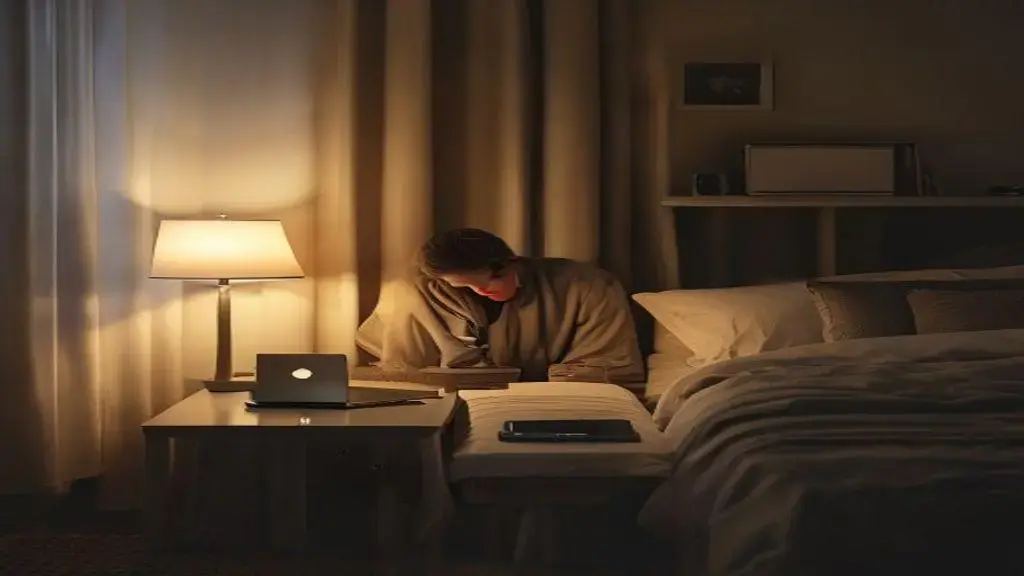
tips for relaxing after a stressful workday work best when you build a short, steady pre-sleep routine. Small habits make the body and mind ready for rest.
Keep actions simple and repeat them nightly so your brain learns the signal for sleep.
bedtime rituals to cue your body
Pick two easy rituals that you do every night. They tell your brain that work is over.
- Set a consistent bedtime and wake time, even on weekends.
- Dim lights 30–60 minutes before bed to boost melatonin.
- Take a warm shower or short bath to relax muscles.
- Choose a calm activity like reading or light stretching.
These cues are quick to set up and help you drop into rest without extra effort. The goal is repetition, not perfection.
manage screens and evening input
Blue light and work alerts keep your brain alert. Create simple rules to stop them.
- Turn off work notifications after a set hour or use Do Not Disturb.
- Switch screens to night mode or use blue-light filters if needed.
- Put devices away 30 minutes before bed and charge them in another room.
When screens are out of reach, your mind stops scanning for tasks. Replace scroll time with a calming action like a short journal note or a few deep breaths.
optimize the sleep space and recovery
Small changes in the bedroom support deeper rest. Focus on comfort and low stimulation.
- Keep the room cool, around 65°F (18°C) for best sleep.
- Use blackout curtains or an eye mask to block light.
- Try a white-noise machine or soft fan to mask sudden sounds.
- Choose bedding that feels comfortable and supportive.
Limit late caffeine and heavy meals. A light snack and a calm drink, like herbal tea, can help some people relax without disrupting sleep.
End the night with a simple mental reset: three slow breaths, a brief gratitude note, or a short body-scan to release tension. These small acts help your body recover overnight and make mornings easier.
Small, consistent actions help you shift out of work mode and feel calmer by evening. Use quick physical resets, simple mental tools, sensory cues, and a short bedtime routine to protect your rest. Try one easy habit tonight and build from there.
FAQ – tips for relaxing after a stressful workday
How long should a quick physical reset take?
Aim for 3–15 minutes. Even one breathing round, a two-minute stretch, or a five-minute walk can change your state.
Will these techniques help if I can’t stop thinking about work?
Yes. Labeling thoughts, a short worry window, and setting a clear cutoff time help move repetitive thinking to a controlled space.
Can sensory routines really improve sleep?
They can. Dim lights, soft sound, and mild calming scents signal your brain to wind down and make it easier to fall asleep.
What if I work late or do shift work?
Adjust the routine to your schedule: use consistent cues after your shift, create a dark, cool sleep space, and keep short wind-down rituals before sleep.