Accessing Free Legal Aid for Caregivers in the US 2025

Anúncios
Caregivers in the United States can find crucial free or low-cost legal aid in 2025 through various government programs, non-profits, and pro bono services. Navigating these options can secure essential legal protections and support for both caregivers and their loved ones.
Anúncios
Navigating the complexities of caregiving often extends beyond daily physical and emotional support, frequently delving into intricate legal matters. For many, the financial burden of caregiving means that professional legal assistance seems out of reach. This article offers insider tips: accessing free or low-cost legal aid for caregivers in the United States during 2025, providing a vital roadmap to support.
Anúncios
Understanding the Need for Legal Aid in Caregiving
Caregiving responsibilities frequently involve a range of legal considerations that can be overwhelming without proper guidance. From managing a loved one’s finances to making healthcare decisions, caregivers often find themselves in situations demanding legal expertise.
These legal needs can span various domains, including estate planning, guardianship, power of attorney, and understanding healthcare directives. Without access to affordable legal services, caregivers might face significant challenges, potentially leading to financial exploitation, disputes, or inadequate care for their dependents.
Common Legal Challenges Faced by Caregivers
Caregivers often encounter specific legal hurdles that require specialized knowledge. These can range from immediate crises to long-term planning.
- Estate Planning: Ensuring wills, trusts, and other directives are in place.
- Guardianship/Conservatorship: Obtaining legal authority to make decisions for an incapacitated individual.
- Power of Attorney: Establishing legal representation for financial or healthcare matters.
- Medicaid/Medicare Issues: Navigating complex eligibility rules and appeals processes.
Understanding these potential pitfalls is the first step toward seeking appropriate legal assistance. Proactive engagement with legal resources can prevent future complications and provide peace of mind for both the caregiver and the care recipient.
The importance of legal aid for caregivers cannot be overstated. It provides a protective framework, ensuring that the rights and wishes of vulnerable individuals are upheld, and that caregivers are empowered to act effectively on their behalf. Seeking this assistance early can mitigate stress and safeguard assets.
Government Programs and Agencies Offering Support
The federal and state governments in the United States offer several programs designed to provide legal assistance, particularly for seniors and low-income individuals, which can directly benefit caregivers. These initiatives aim to ensure that everyone has access to justice, regardless of their financial situation.
Many of these programs operate through local Area Agencies on Aging (AAAs) or state-specific legal aid organizations. They often provide free consultations, referrals, and direct legal representation for eligible individuals.
Elder Justice Initiatives and Legal Services
The Elder Justice Act, for instance, supports programs that protect seniors from abuse, neglect, and exploitation, often involving legal intervention. These initiatives frequently partner with legal aid providers to offer specialized services.
- Legal Services Corporation (LSC): Funds civil legal aid for low-income Americans.
- National Council on Aging (NCOA): Provides resources and information on elder rights and legal aid.
- State Bar Associations: Many state bar associations offer pro bono programs and referral services.
Additionally, state departments of aging or social services often have dedicated units that can guide caregivers toward relevant legal resources. These government-backed services are a cornerstone of free or low-cost legal aid for caregivers.
Exploring these governmental avenues is a crucial starting point for caregivers seeking legal assistance. Their broad reach and commitment to public service make them invaluable resources in navigating complex legal landscapes.
Non-Profit Organizations and Advocacy Groups
Beyond government programs, a robust network of non-profit organizations and advocacy groups dedicate their efforts to supporting caregivers and seniors with legal needs. These organizations often fill gaps in public services, providing specialized assistance and compassionate support.
These groups typically rely on grants, donations, and volunteer attorneys to offer their services. Their focus can range from general legal counsel to highly specific areas like disability law or long-term care planning.
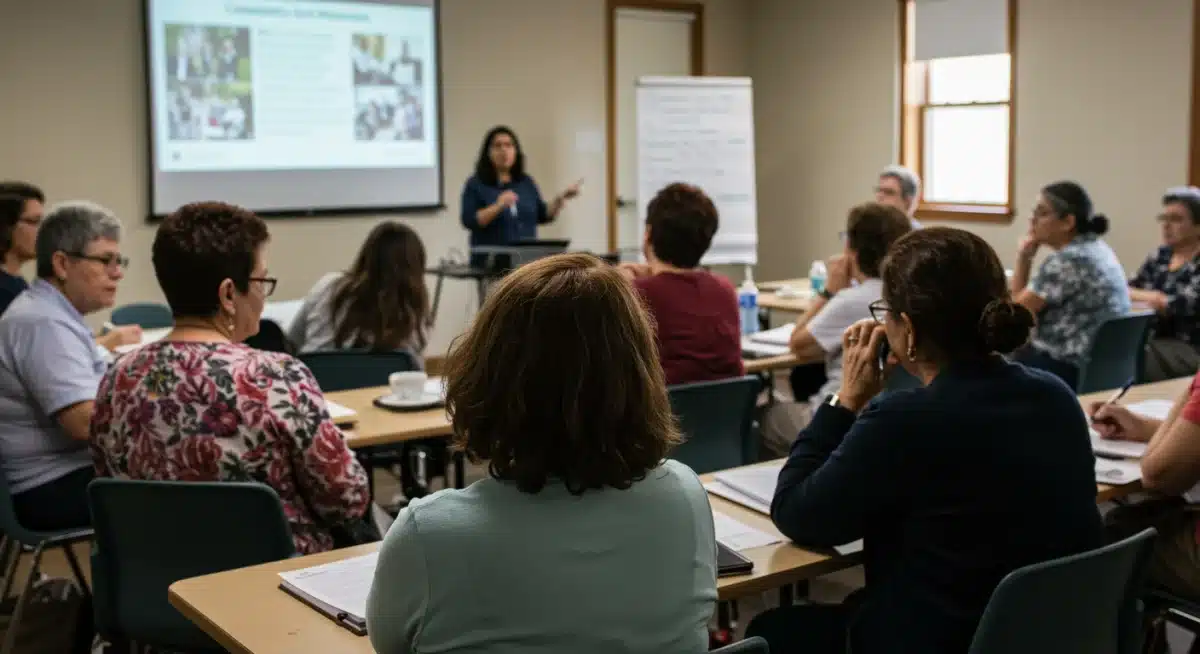
Key Non-Profits and Their Offerings
Several prominent non-profits play a significant role in providing free or low-cost legal aid. Their services often include legal clinics, educational workshops, and direct representation.
- National Academy of Elder Law Attorneys (NAELA): Offers a directory of elder law attorneys, some of whom provide pro bono services.
- Legal Aid Societies: Local legal aid societies across the country offer free legal services to those who qualify based on income.
- AARP Foundation: Provides legal advocacy and assistance for older adults, often focusing on consumer protection and elder abuse.
Caregivers should research local and national non-profits, as many have specific programs tailored to their unique challenges. These organizations are often deeply connected to the communities they serve, offering relatable and accessible support.
The dedication of these non-profit organizations provides a critical safety net for caregivers. Their specialized knowledge and commitment to advocacy ensure that even the most complex legal issues can be addressed without prohibitive costs.
Pro Bono Services and University Legal Clinics
For caregivers seeking legal assistance, pro bono services and university legal clinics represent another significant avenue for free or low-cost support. These options leverage the expertise of legal professionals and aspiring lawyers to serve underserved populations.
Pro bono work, meaning “for the public good,” involves attorneys offering their services free of charge. University legal clinics, typically part of law schools, provide hands-on experience for students under the supervision of experienced faculty, offering legal services to the community.
Finding Pro Bono Attorneys and Law School Clinics
Accessing these services often requires specific criteria, but they can be incredibly valuable for eligible caregivers. Many state and local bar associations maintain lists of attorneys who offer pro bono services.
- Pro Bono Programs: Contact your state or local bar association for directories and referral services.
- Law School Clinics: Search for law schools in your area; many have clinics specializing in elder law, family law, or public interest law.
- Volunteer Lawyers Projects: These organizations connect eligible clients with volunteer attorneys.
These resources are particularly beneficial for caregivers dealing with complex legal issues that might not fit neatly into standard legal aid categories. The quality of representation in both pro bono and clinic settings is generally high, as attorneys are often driven by a commitment to justice and students are rigorously supervised.
Both pro bono services and university legal clinics offer unique advantages. They provide access to skilled legal minds and a commitment to justice, making them excellent options for caregivers facing financial constraints.
Online Resources and Self-Help Tools
In the digital age, a wealth of online resources and self-help tools can empower caregivers to understand their legal rights and even manage some legal tasks independently. While not a substitute for professional legal advice in complex cases, these resources can provide foundational knowledge and guidance.
Many websites offer free legal forms, explanatory articles, and directories of legal aid providers. These platforms can be particularly useful for caregivers who need quick answers or are in the initial stages of understanding a legal issue.
Valuable Online Platforms for Caregivers
Several reputable websites and digital platforms cater specifically to the legal needs of caregivers and seniors. These resources can save time and money by providing accessible information.
- LegalZoom/Rocket Lawyer: While many services are paid, they often offer free guides and basic legal document templates.
- Nolo.com: A comprehensive source for legal information, self-help books, and forms across various legal topics.
- State Court Websites: Many state judicial websites provide free, downloadable legal forms and instructions for common legal procedures.
It is crucial to verify the credibility of online sources and ensure that the information is relevant to your specific state and situation. Always consider consulting with a legal professional for personalized advice, especially for significant legal matters.
Leveraging online resources can be a powerful first step for caregivers. They offer an accessible and often free way to gain knowledge and prepare for legal challenges, complementing professional assistance.
Tips for Maximizing Your Search for Legal Aid
Finding the right free or low-cost legal aid can sometimes feel like a daunting task. However, with a strategic approach, caregivers can maximize their chances of securing the support they need. Preparation and persistence are key to navigating the system effectively.
Understanding eligibility requirements, gathering necessary documentation, and knowing where to look can significantly streamline the process and lead to successful outcomes.
Strategic Steps to Secure Legal Assistance
To make the most of your search, consider these practical tips designed to optimize your efforts:
- Gather All Relevant Documents: Have medical records, financial statements, and any existing legal documents readily available.
- Be Specific About Your Needs: Clearly articulate the legal issue you’re facing when contacting organizations.
- Utilize Referral Services: Area Agencies on Aging, local bar associations, and social workers often provide excellent referrals.
- Attend Legal Clinics: Many organizations offer free legal clinics where you can get initial advice and assess your options.
Networking with other caregivers can also provide valuable insights and recommendations for legal aid. Personal experiences often highlight effective resources that might not be widely advertised.
By adopting a methodical and informed approach, caregivers can significantly improve their success rate in finding appropriate and affordable legal assistance. Persistence pays off when navigating the complex landscape of legal support services.
| Key Resource | Brief Description |
|---|---|
| Government Programs | Federal and state initiatives like LSC and AAAs offer legal services for seniors and low-income individuals. |
| Non-Profit Organizations | Groups such as Legal Aid Societies and the AARP Foundation provide specialized legal assistance. |
| Pro Bono Services | Attorneys offer free legal services through bar associations and volunteer lawyer projects. |
| University Legal Clinics | Law schools provide legal assistance to the community under faculty supervision. |
Frequently Asked Questions About Caregiver Legal Aid
Caregivers frequently encounter legal challenges related to estate planning, such as wills and trusts, obtaining guardianship or power of attorney for their loved ones, and navigating complex healthcare regulations like Medicaid and Medicare eligibility. These issues often require professional legal guidance to ensure proper compliance and protection.
To find a pro bono attorney, start by contacting your state or local bar association. Many bar associations maintain directories or referral services for lawyers who offer free legal assistance. Additionally, organizations like Volunteer Lawyers Projects often connect eligible clients with volunteer attorneys specializing in various fields.
Yes, most free and low-cost legal aid services, particularly those funded by the Legal Services Corporation (LSC) or other government programs, have specific income eligibility requirements. These are typically based on federal poverty guidelines. Non-profit organizations may have varying criteria, so it’s essential to inquire about their specific qualifications.
University legal clinics, supervised by experienced faculty, often handle a range of cases, including some complex ones, as part of their educational mission. While they may not take on every type of case due to resource limitations, they can provide valuable assistance in areas like elder law, family law, and public interest matters. It’s always worth inquiring.
Before seeking legal aid, gather all relevant documents, including medical records, financial statements, existing wills, power of attorney documents, and any other legal papers pertaining to your situation or your loved one’s care. Having these organized will help legal professionals quickly understand your needs and offer more effective advice.
Conclusion
Accessing free or low-cost legal aid is not just a possibility but a crucial necessity for many caregivers in the United States. The landscape of support, ranging from government programs and non-profits to pro bono services and online tools, offers a robust framework for caregivers to navigate complex legal challenges. By proactively seeking out these resources, caregivers can ensure the legal protection and well-being of their loved ones, alleviate personal stress, and focus more effectively on their essential caregiving roles. Understanding these insider tips provides a clear path forward in 2025, empowering caregivers with the knowledge and support they deserve.