Mindfulness activities to do with your kids for fun
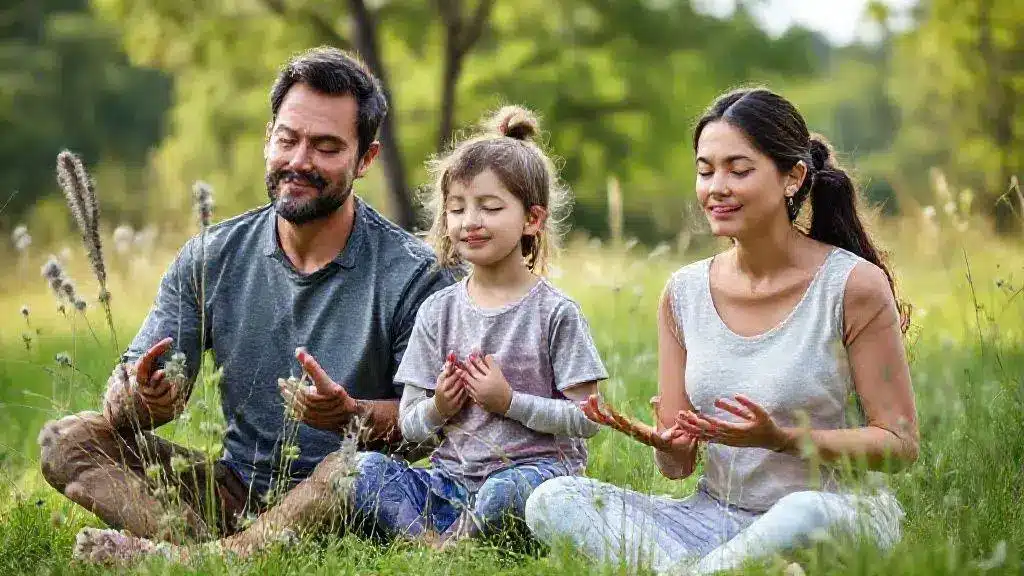
Mindfulness activities to do with your kids enhance emotional well-being and strengthen family bonds by integrating practices like mindful breathing, gratitude journaling, and mindful meals into daily routines.
Mindfulness activities to do with your kids can transform your family time into moments of connection and tranquility. Have you thought about how such practices could enrich your daily interactions? Let’s explore some engaging ideas!
Understanding mindfulness and its benefits for children
Understanding mindfulness is essential for fostering emotional well-being in children. Mindfulness encourages them to focus on the present moment, which can reduce stress and anxiety. By practicing mindfulness, children can learn valuable coping skills and become more aware of their thoughts and feelings.
Benefits of Mindfulness for Children
Mindfulness offers numerous benefits for kids. Here are some of the key advantages:
- Improved focus: Practicing mindfulness can help children concentrate better in school.
- Emotional regulation: Children learn to identify and manage their emotions, resulting in less anger and frustration.
- Greater empathy: Mindfulness fosters a sense of compassion towards others, enhancing social interactions.
- Stress reduction: Mindfulness techniques can help lower children’s stress levels during challenging situations.
When children engage in mindfulness activities, they also develop a better understanding of themselves. This self-awareness can lead to healthier relationships with peers and adults. For example, they may find themselves less reactive in social interactions, leading to calmer discussions and improved cooperation.
How to Introduce Mindfulness to Kids
Introducing mindfulness doesn’t have to be complicated. Here are some simple steps to help them get started:
- Encourage deep breathing: Teach children to take deep breaths when they feel overwhelmed.
- Use guided imagery: Help them visualize peaceful places, enhancing relaxation.
- Practice gratitude: Encourage them to express appreciation for small things in life.
- Set aside quiet time: Create a routine where kids can reflect and be still.
Incorporating these practices into their routine can be fun and enjoyable. By making mindfulness a part of daily life, children can build resilience and a healthier mindset.
As they practice mindfulness, they may find it easier to navigate life’s ups and downs. The skills learned through mindfulness can support them as they grow, shaping them into emotionally intelligent individuals.
Simple mindfulness exercises for daily practice

Simple mindfulness exercises can transform daily routines into opportunities for relaxation and connection. Incorporating short exercises throughout the day helps children recognize their feelings and enhance their focus.
Mindful Breathing
One effective exercise is mindful breathing. Kids can be taught to sit comfortably and close their eyes. They should take deep breaths, inhaling through their nose and exhaling through their mouth. This helps them center themselves and feel calmer. Encourage them to notice how their body feels with each breath. This can take only a few minutes and can be done anytime.
Gratitude Journaling
Another great practice is gratitude journaling. Children can take a few moments each day to write down or draw three things they are thankful for. This exercise shifts their focus toward positive experiences and increases happiness. It can also spark meaningful family discussions about appreciation and positivity.
Mindful Walking
Mindful walking can be both fun and engaging. Kids can walk slowly in a safe outdoor space while paying attention to their surroundings. They should notice the colors of the leaves, the sounds of birds, and the feeling of the wind. Encourage them to experience each step fully, making it a mindful adventure.
Additionally, practicing mindfulness with activities like eating can be very beneficial. Teach children to eat slowly, focusing on the taste, texture, and aroma of their food. This helps them develop a deeper appreciation for their meals and encourages healthy eating habits.
Visualization Techniques
Finally, using visualization techniques can help promote relaxation. Kids can close their eyes and imagine a peaceful place, like a beach or a forest. Encourage them to picture the colors, sounds, and feelings associated with that place. This exercise helps them escape their worries, even if just for a moment.
Incorporating these mindfulness exercises into daily life can nurture emotional well-being. By encouraging kids to practice regularly, they develop essential skills for managing stress and enhancing their overall mood.
Creative mindfulness activities to enjoy outdoors
Engaging in creative mindfulness activities outdoors can be both fun and refreshing for children. Nature provides a perfect backdrop for kids to connect with their surroundings while practicing mindfulness. These activities not only promote relaxation but also spark creativity.
Nature Scavenger Hunt
A nature scavenger hunt can be a thrilling way for kids to explore the environment. Create a list of items such as various leaves, flowers, or rocks for them to find. As they search, encourage them to observe the different textures, colors, and scents around them. This activity not only fosters mindfulness but also enhances their appreciation for nature.
Mindful Walking
Another great way to practice mindfulness outdoors is through mindful walking. Take a slow walk in a park or garden, focusing on each step. Encourage kids to notice the feeling of the ground beneath their feet and the rhythm of their breathing. They can also pay attention to the sounds of birds chirping or leaves rustling in the wind, allowing them to become fully present in the moment.
Combining movement with mindfulness helps children relieve stress while enjoying nature. They can feel happier and more energized after spending time outdoors. This practice encourages them to slow down and reflect, which is essential for emotional health.
Art in Nature
Incorporating art into mindfulness activities can enhance creativity. Set up an outdoor art station where kids can use natural materials like leaves, twigs, and stones to create their masterpieces. They can also use watercolors to paint landscapes or simply draw what they observe around them. This artistic expression allows children to connect deeply with nature.
Breathing Exercises Under the Sky
Another effective exercise involves lying on the grass and practicing breathing techniques. Have the children lie flat on their backs while looking up at the sky. Instruct them to inhale deeply and exhale slowly, focusing on the clouds and how they move. This simple but powerful practice can ground them and encourage a sense of peace.
By integrating these creative mindfulness activities into outdoor play, children can enhance their mental well-being while having fun. These moments in nature not only encourage exploration but also deepen their understanding of themselves and the world around them.
Incorporating mindfulness into family routines

Incorporating mindfulness into family routines can significantly enhance your family’s emotional health and connection. Simple changes in daily activities can cultivate a more peaceful home environment.
Mindful Mornings
Start the day with mindful mornings. Before diving into daily tasks, take a few moments to sit together in silence. This could be a time for deep breathing or a short meditation. Encouraging everyone to reflect on what they are grateful for can set a positive tone for the day. Even just five minutes can make a big difference.
Mindful Meals
Another fantastic way to practice mindfulness is during family meals. Make it a habit to eat together without distractions like phones or TV. Encourage everyone to share their day while focusing on the flavors and textures of the food. This practice promotes better communication and helps to appreciate the meal together.
Ask your kids to describe how the food looks and tastes, creating a sensory experience. This not only encourages mindfulness but also fosters conversational skills among family members.
Mindful Playtime
When engaging in playtime, encourage mindful activities that require focus and creativity. Crafting, building, or even playing board games together can help everyone stay present. Set aside time for activities without rushing, allowing them to fully enjoy the process. This lays the groundwork for mindfulness in everyday life, which is crucial for emotional growth.
During play, remind them to notice their feelings and emotions as they engage with each other. If things become tense, practice deep breathing together to calm down.
Mindful Bedtime Routines
At night, incorporate mindfulness into bedtime routines. This can be a peaceful time for families to wind down together. Try reading a book, sharing stories, or practicing gentle stretches. Encourage your children to reflect on their day and share something they enjoyed. This helps them to process emotions and sleep better.
Using a consistent bedtime ritual not only promotes mindfulness but also creates lasting family memories. These rituals can strengthen familial bonds and create a sense of security for children.
By incorporating these simple practices into family routines, you cultivate an atmosphere rich in love and understanding. Regular mindfulness can help families navigate challenges more effectively and nurture emotional well-being.
FAQ – Frequently Asked Questions about Mindfulness Activities for Families
What are some simple mindfulness activities to do with my kids?
You can try mindful breathing, nature scavenger hunts, or gratitude journaling. These activities help children focus and connect with their feelings.
How can mindfulness improve family communication?
Practicing mindfulness during meals and family discussions encourages everyone to listen actively, share feelings, and understand each other better.
Can mindfulness help my children with their emotions?
Yes, mindfulness teaches children to recognize and manage their emotions, leading to reduced anxiety and improved emotional resilience.
What are the benefits of incorporating mindfulness into daily routines?
Incorporating mindfulness into daily routines promotes a calm environment, strengthens family bonds, and encourages emotional well-being for everyone.