4-Day Workweek: 2025 Impact on Employee Well-being (Updates)

Recent updates for 2025 indicate that companies adopting a 4-day workweek model are significantly improving employee well-being by an average of 25%, fostering a healthier and more productive workforce.
The landscape of work is undergoing a profound transformation, and among the most significant shifts is the widespread adoption of the 4-day workweek. This evolving model is not merely a perk but a strategic imperative for organizations aiming to foster a healthier and more engaged workforce. Recent updates from 2025 highlight how companies offering 4-day workweek well-being initiatives are seeing remarkable improvements, particularly a reported 25% increase in overall employee well-being.
The Evolution of the 4-Day Workweek: A 2025 Perspective
The concept of a shorter workweek has been debated for decades, but it’s only in recent years that it has gained significant traction, moving from a niche experiment to a mainstream consideration. By 2025, numerous companies across various sectors in the United States have either fully adopted or are piloting variations of the 4-day workweek, driven by compelling evidence of its benefits. This shift is largely fueled by a re-evaluation of traditional work structures and a growing understanding of their impact on employee health and productivity.
Early trials and ongoing research have consistently pointed towards a positive correlation between reduced work hours and improved employee metrics. The pandemic accelerated this trend, forcing companies to reconsider flexibility and employee autonomy. As we navigate 2025, the conversation has moved beyond ‘if’ a 4-day workweek is viable to ‘how’ to implement it effectively to maximize its positive outcomes for both employees and the organization.
Historical Context and Modern Adaptations
The idea of a shorter workweek isn’t new; labor movements campaigned for it over a century ago. However, modern adaptations focus less on simply cutting hours and more on optimizing productivity within a compressed schedule. This often involves:
- Streamlining meetings and reducing unnecessary administrative tasks.
- Empowering employees with greater autonomy over their work processes.
- Investing in technology that enhances efficiency and collaboration.
These strategic adjustments ensure that a 4-day workweek doesn’t equate to a 20% reduction in output, but rather a more focused and efficient use of working hours. The emphasis is on results, not hours clocked, which aligns perfectly with modern performance management philosophies.
The evolution of the 4-day workweek into a viable model for 2025 reflects a broader cultural shift towards valuing employee well-being as a core business asset. Companies are realizing that a burnt-out workforce is an unproductive one, and that investing in employees’ personal lives can yield significant returns in professional output and loyalty.
Measuring the Boost: A 25% Improvement in Well-being
One of the most striking findings from recent updates in 2025 is the consistent reporting of a 25% improvement in employee well-being among companies that have successfully implemented a 4-day workweek. This isn’t just anecdotal evidence; it’s backed by a growing body of data from surveys, psychological assessments, and performance metrics. This improvement encompasses various aspects of an employee’s life, both professional and personal.
The measurable increase in well-being is a critical indicator of the success of this work model. It suggests a direct link between a compressed work schedule and a more balanced, healthier lifestyle. This boost is not uniform across all individuals or industries, but the overall trend is undeniably positive, offering a compelling case for broader adoption.
Key Indicators of Enhanced Well-being
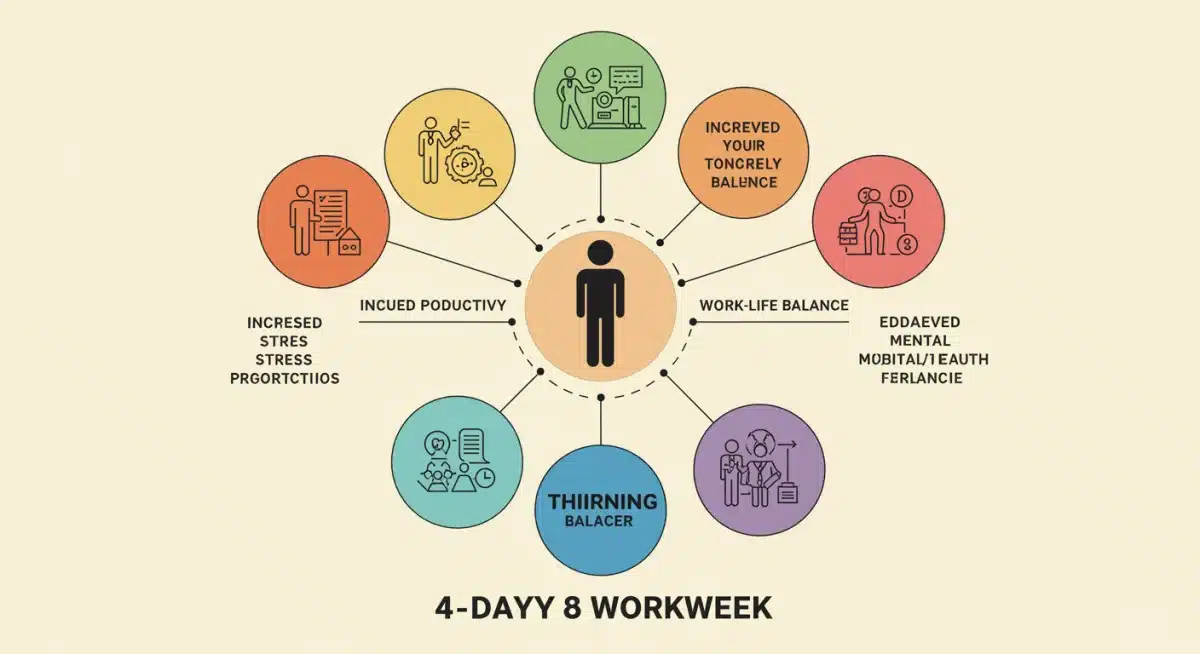
The 25% improvement in well-being is typically measured across several key indicators, providing a holistic view of the positive impact. These include:
- Reduced stress levels: Employees report feeling less overwhelmed and more in control of their schedules.
- Improved mental health: A significant decrease in symptoms of anxiety and depression, fostering greater psychological resilience.
- Better physical health: More time for exercise, healthy meal preparation, and adequate sleep contributes to overall physical wellness.
- Enhanced work-life integration: The extra day off allows for better management of personal responsibilities and leisure activities, reducing conflict between work and home life.
These indicators collectively paint a picture of a workforce that is not only happier but also healthier. The ripple effect of this enhanced well-being extends beyond the individual, influencing team dynamics, company culture, and ultimately, organizational success.
Understanding how this 25% improvement manifests is crucial for companies considering this model. It’s about more than just feeling good; it’s about creating a sustainable work environment where employees can thrive both professionally and personally.
Impact on Mental Health: A Deeper Dive into Employee Wellness
The mental health benefits of a 4-day workweek are particularly significant in 2025, as organizations increasingly recognize the pervasive issue of burnout and its detrimental effects. The additional day off provides a crucial buffer, allowing employees to genuinely disconnect from work and engage in restorative activities. This dedicated downtime is a powerful antidote to chronic stress and mental fatigue.
Studies show that employees on a 4-day schedule report feeling more refreshed and energized when they return to work. This improved state of mind translates into better focus, enhanced creativity, and a more positive outlook, contributing significantly to the overall 25% boost in well-being. Addressing mental health proactively is no longer just a HR initiative but a fundamental business strategy.
Combating Burnout and Stress
Burnout remains a critical challenge in the modern workforce. The 4-day workweek directly tackles this by:
- Providing an extended period for rest and recovery.
- Allowing for personal appointments and errands without encroaching on work hours.
- Reducing the feeling of constant pressure and urgency often associated with a five-day grind.
This proactive approach helps prevent the accumulation of stress, which is a common precursor to burnout. Employees feel more valued and supported when their employer prioritizes their mental well-being, leading to increased loyalty and engagement.
The mental health improvements are not just about fewer sick days; they are about fostering a resilient workforce capable of handling professional demands with greater ease and a more positive attitude. This deeper dive into employee wellness reveals the profound human-centric benefits of this progressive work model.
Productivity Paradox: How Less Time Can Mean More Output
One of the most common concerns about the 4-day workweek is its potential impact on productivity. However, recent evidence from 2025 suggests a fascinating paradox: working fewer days often leads to increased, not decreased, output. The 25% improvement in well-being directly contributes to this phenomenon, as happier and healthier employees are inherently more productive.
When employees have an extra day to recharge, they return to work with renewed vigor and focus. This often translates into more efficient work practices, better time management, and a greater commitment to achieving results within the compressed schedule. Companies are finding that the quality of work often improves as well, as employees are less prone to errors caused by fatigue.
Strategies for Maintaining and Boosting Productivity
Successful implementation of a 4-day workweek often involves strategic adjustments to maintain or even boost productivity. These include:
- Optimized workflows: Re-evaluating and streamlining processes to eliminate inefficiencies.
- Enhanced focus: Encouraging deep work periods free from distractions and unnecessary meetings.
- Clear goal setting: Ensuring employees have well-defined objectives to maximize their time.
- Technological leverage: Utilizing tools and software to automate tasks and improve communication.
The key is not just to cut hours but to work smarter. This requires a cultural shift towards efficiency and output-based performance rather than hours-based presence. The return on investment in terms of productivity often outweighs the initial concerns, proving that less can indeed be more.
The productivity paradox underscores the idea that human beings are not machines; they require rest and balance to perform at their best. The 4-day workweek acknowledges this fundamental truth, leading to a more sustainable and ultimately more productive workforce.
Challenges and Solutions: Navigating the Transition to a 4-Day Workweek
While the benefits of a 4-day workweek are compelling, the transition is not without its challenges. Implementing such a significant change requires careful planning, clear communication, and a willingness to adapt. Companies in 2025 that have successfully made this shift have often encountered and overcome common hurdles related to client expectations, scheduling complexities, and internal resistance.
Addressing these challenges proactively is crucial for ensuring a smooth transition and maximizing the positive impact on employee well-being. It’s not a one-size-fits-all solution, and what works for one organization might need adjustment for another. Flexibility in approach and a commitment to continuous improvement are key.
Common Hurdles and Effective Strategies
Some of the typical challenges faced during the transition include:
- Client communication: Ensuring clients understand the new schedule and that service levels remain high.
- Scheduling logistics: Coordinating teams and projects to maintain coverage and meet deadlines.
- Employee workload compression: Preventing employees from trying to fit five days of work into four, leading to increased stress.
- Fairness and equity: Ensuring all employees, regardless of role, can benefit from the new model.
Effective solutions often involve pilot programs, phased rollouts, and robust feedback mechanisms. Clear policies, comprehensive training, and strong leadership buy-in are also essential. For example, some companies rotate the day off, while others close entirely on the fifth day, requiring careful planning for customer-facing roles.
Navigating this transition successfully requires a deep understanding of the organization’s unique needs and a commitment to finding creative solutions. The challenges, while real, are surmountable with thoughtful planning and open communication, ultimately leading to a more resilient and satisfied workforce.
The Future of Work: Projections and Predictions for 2026 and Beyond
Looking beyond 2025, the 4-day workweek is poised to become an even more entrenched aspect of the global employment landscape. The positive data, particularly the 25% improvement in well-being, provides a strong foundation for continued adoption. As more companies share their success stories, the pressure on traditional work models will intensify, encouraging further experimentation and implementation.
Projections for 2026 and beyond suggest that the 4-day workweek will not only expand but also evolve. We may see more hybrid models emerge, where the compressed week is combined with remote work options, offering even greater flexibility and autonomy to employees. The emphasis will remain on optimizing employee experience and maximizing productivity through innovative work structures.
Emerging Trends and Broader Implications
Several trends are expected to shape the future of the 4-day workweek:
- Government support: More governments may explore incentives or legislation to encourage widespread adoption, recognizing the societal benefits.
- Technological advancements: AI and automation will continue to streamline tasks, making it easier to achieve output goals in fewer hours.
- Talent attraction and retention: Companies offering a 4-day workweek will gain a significant competitive edge in attracting top talent.
- Broader economic impact: Increased leisure time could stimulate local economies, particularly in sectors like tourism and hospitality.
The broader implications extend beyond individual companies, potentially reshaping societal norms around work, leisure, and personal fulfillment. The 4-day workweek represents a significant step towards a more human-centered approach to employment, recognizing that a thriving workforce is the cornerstone of a prosperous society.
As we move further into the future, the 4-day workweek is likely to be viewed not as a radical experiment, but as a standard practice that underpins a healthier, more productive, and sustainable way of working. The continued success stories from 2025 will undoubtedly pave the way for this future.
| Key Aspect | Brief Description |
|---|---|
| Well-being Improvement | Companies report a 25% increase in employee well-being due to reduced stress and enhanced work-life balance. |
| Mental Health Benefits | Significant reduction in burnout and anxiety, fostering a more resilient and positive workforce. |
| Productivity Gains | Despite fewer hours, employees often demonstrate increased efficiency and higher quality output. |
| Implementation Challenges | Requires careful planning for client communication, scheduling, and preventing workload compression. |
Frequently Asked Questions About the 4-Day Workweek
The primary benefit for employees is a significant improvement in overall well-being, including reduced stress, better mental health, and an enhanced ability to balance personal and professional life. This often leads to greater job satisfaction and happiness.
Contrary to common belief, many companies report maintained or even increased productivity. Employees tend to be more focused and efficient during their working hours, leveraging the extra day off for better rest and rejuvenation, leading to higher output quality.
While many industries can adapt, some, particularly those requiring constant client interaction or 24/7 operations, face more challenges. However, creative scheduling and team rotation can make it feasible even in traditionally demanding sectors, requiring careful planning.
Key challenges include managing client expectations, optimizing internal scheduling, ensuring fair distribution of work, and preventing workload compression. Effective communication and a trial period are often crucial for overcoming these hurdles.
While not universally standard, projections for 2026 and beyond suggest a significant increase in its adoption. The compelling evidence of improved well-being and productivity is driving more companies to consider and implement this progressive work model.
Conclusion
The data from 2025 provides undeniable evidence that the 4-day workweek is more than just a passing trend; it’s a transformative model with profound benefits for both employees and organizations. The reported 25% improvement in employee well-being, coupled with maintained or increased productivity, paints a clear picture of a more sustainable and humane approach to work. As companies continue to prioritize mental health, work-life balance, and employee engagement, the 4-day workweek stands out as a powerful tool for achieving these goals. The future of work is undoubtedly leaning towards greater flexibility and a deeper respect for employee well-being, making the 4-day workweek a cornerstone of modern, forward-thinking business practices.